Appetizers · Part 1 of 3: Ingredients
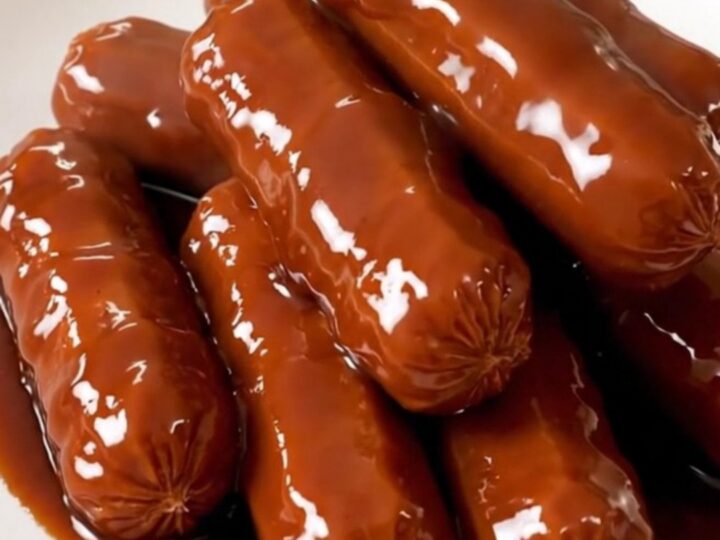
Slow Cooker Bourbon Barbecue Cocktail Smokies
- Prep
- Cook
- Total
- Serves
- 12
Elevate any gathering with these effortless slow cooker bourbon barbecue cocktail smokies that deliver maximum flavor with minimal prep time. These bite-sized treats are the ultimate solution for stress-free hosting, combining savory sausages with a rich, caramelized glaze that everyone enjoys.
Whether you are prepping for a game day, a holiday party, or a casual weekend get-together, this simple recipe ensures you spend less time in the kitchen and more time enjoying the company of your guests.
The magic of this recipe lies in the slow cooker, which allows the barbecue sauce and brown sugar to meld into a deep, sticky glaze that perfectly coats every single sausage.
By layering the ingredients, the flavors infuse deeply during the cooking process, resulting in a tender and flavorful appetizer that stays warm throughout the entire event. It is a reliable, straightforward method that consistently produces delicious results without requiring constant attention or complex techniques during the cooking process.
Ingredients
- 2 lbs cocktail mini sausages
- 1/2 cup brown sugar
- 1 tbsp onion powder
- 1 1/2 cups barbecue sauce
Why this recipe works
The slow cooker method is ideal for this dish because it maintains a steady, low heat that prevents the sugars in the barbecue sauce from burning. As the sausages cook slowly, they release their own savory juices, which mix with the barbecue sauce and brown sugar to create a luxurious, thick glaze. This gentle heat ensures the cocktail smokies remain succulent and tender rather than drying out, which can happen with higher-heat methods like baking or pan-frying.
Layering the ingredients is a crucial step for achieving the perfect balance of flavors without needing to stir frequently. By placing the dry aromatics and sugar over the sausages before adding the sauce, you create a natural infusion zone.
As the heat rises, the sugar and onion powder dissolve into the sauce and distribute evenly throughout the slow cooker. This method ensures that every sausage is perfectly coated and seasoned, removing the need for labor-intensive manual mixing before the cook begins.
Notes and substitutions
When selecting cocktail smokies, ensure you choose high-quality smoked sausages as they form the foundation of the dish. Standard cocktail wieners work well, but selecting beef or pork varieties with a nice smokiness will enhance the final flavor profile significantly.
Always check the ingredient labels to confirm the sausages meet any dietary preferences, as some varieties may contain hidden fillers or allergens that could affect your guests' experience if you are accommodating specific dietary restrictions for your party.
For the best results, use a standard slow cooker that heats evenly. If you have a programmable model, set it to low to ensure the most consistent cooking environment. While the recipe suggests a standard cooking time, you can keep the slow cooker on the 'warm' setting for an extended period if you are hosting a long event. This keeps the sausages at the perfect temperature for serving without overcooking the meat or breaking down the texture of the glaze.
- Barbecue sauce: Use a spicy or honey-flavored barbecue sauce for a different flavor profile.
- Brown sugar: Use dark brown sugar for a deeper molasses flavor or light brown sugar for a milder sweetness.
Equipment
- Slow cooker
- Measuring cups
- Measuring spoons
- Serving platter
Up next · Part 2 of 3
3 steps · 3 h of cooking · what to look for at each stage
Step-by-step instructions (Part 2)