Dinner · Part 3 of 3: Tips & recipe card
Slow Cooker Black Bean Salsa Pork Chops Tips, FAQ & printable recipe
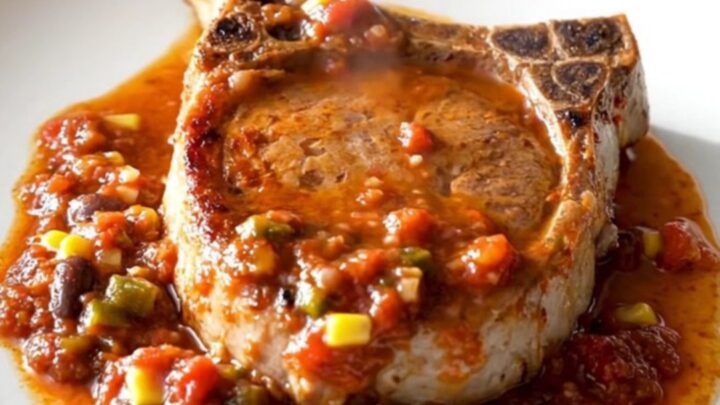
- Prep
- Cook
- Total
- Serves
- 5
Tips for success
To add extra surface browning, sear the pork chops in a lightly oiled skillet over medium-high heat for about one minute per side before placing them into the slow cooker.
While entirely optional, this step adds a lightly browned exterior. If the slow cooker juices are thinner than desired at the end, ladle them into a small saucepan and simmer briefly on the stove.
Select a chunky salsa with distinct pieces of tomato and onion, as the vegetable chunks maintain their shape and provide pleasant texture alongside the tender pork chops.
Ensure the slow cooker lid fits snugly throughout cooking to keep steam from escaping, which keeps the cooking environment steady and prevents the pork chops from drying out along the edges.
Variations
- Spicy Salsa Pork: Substitute hot chunky salsa and add a pinch of crushed red pepper flakes over the beans for extra heat.
- Green Salsa Pork: Swap the red salsa for chunky tomatillo salsa verde to create a tangy, bright citrus-forward profile.
Storage and make-ahead
- Fridge
- Store in an airtight container in the refrigerator for up to 3 days.
- Freezer
- Store pork and sauce in a freezer-safe container for up to 2 months.
- Reheat
- Reheat gently in a covered skillet or microwave until steaming hot throughout.
Allow leftover pork chops and sauce to cool for no more than 2 hours before packing them into an airtight container. Keeping the chops submerged in the salsa and bean sauce helps preserve moisture during refrigeration.
Seal tightly, label with the date, and store promptly in the coldest part of the refrigerator to maintain freshness.
Assemble the pork chops, black beans, corn, chili powder, and salsa directly in the slow cooker insert the night before, cover, and refrigerate overnight.
In the morning, place the insert into the cooker base and start the low cooking cycle. Leftovers also hold up well and can be portioned ahead for quick lunches throughout the week.
Serving ideas
Serve each pork chop hot on an individual dinner plate, spooning a generous helping of the black beans, corn, and thickened salsa sauce over the surface. The flavorful cooking juices pair naturally with sides like fluffy white rice, brown rice, or warm corn tortillas that can soak up the savory salsa mixture.
For family-style dining, arrange the rested chops on a shallow serving platter and pour the warm bean and salsa mixture across the center. Serve alongside simple steamed vegetables or a fresh chopped green salad to round out the plate. The colorful corn and salsa make an appealing presentation with minimal extra effort.
Frequently asked questions
Can this be made in a pressure cooker?
Why did the pork chops become tough?
Can this recipe be frozen after cooking?
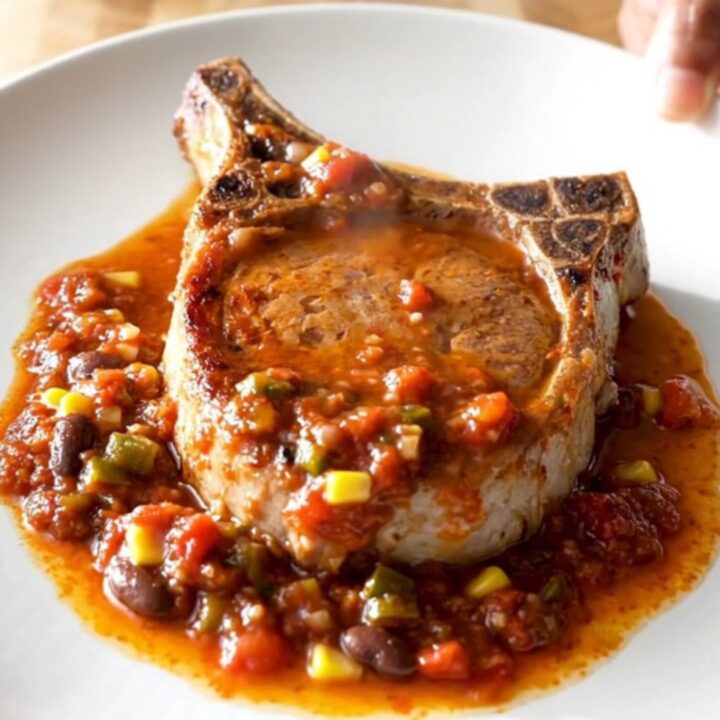
Slow Cooker Black Bean Salsa Pork Chops
Ingredients
- 5 boneless pork chops
- 1 cup black beans, drained and rinsed
- 1 cup corn kernels
- 1 tsp chili powder
- 1 1/2 cups chunky red salsa
Instructions
- Place the raw boneless pork chops into the base of the slow cooker, ensuring they are arranged in an overlapping layer to cook evenly. Add the black beans and corn kernels over the top of the pork. Sprinkle the chili powder evenly across the ingredients and pour the chunky red salsa over everything to coat.
- Cover the slow cooker with its lid. Cook the pork chops on the low setting for approximately 4 hours, or until the pork reaches a safe internal temperature of 145°F (63°C). Once reached, transfer the pork chops to a plate and allow the meat to rest for at least 3 minutes before serving.
- Arrange the rested pork chops on serving plates. Spoon the braised black beans, corn, and warm salsa sauce generously over the top of each chop before serving.
Estimated nutrition per serving
- Calories
- 320
- Protein
- 35 g
- Carbohydrates
- 18 g
- Fat
- 11 g
- Fiber
- 4 g
- Sugar
- 6 g
- Sodium
- 650 mg
Next recipe
Easy Ground Turkey Goulash Bake
See the recipe → →This recipe is based on a short cooking video and is published under the pen name Clara Weller. It was checked before publication, but errors can slip through. Nutrition, when shown, is an estimate. Read more in our editorial policy and on our food safety page.
More recipes to try
Easy Crockpot Chicken Chile Colorado for a Simple Dinner
Total time: 4 h 15 min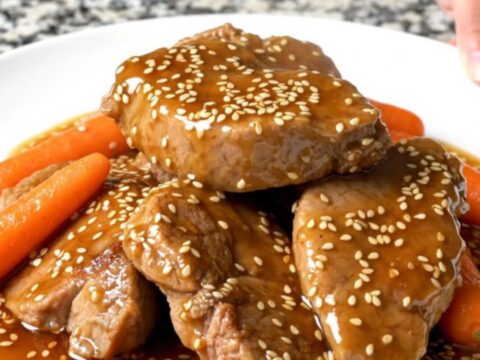
Slow Cooker Sesame Ginger Pork Tenderloin
Total time: 4 h 15 min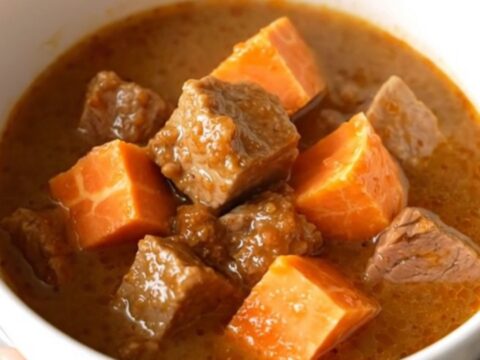
Slow Cooker Smoky Pork and Sweet Potato Stew
Total time: 8 h 20 min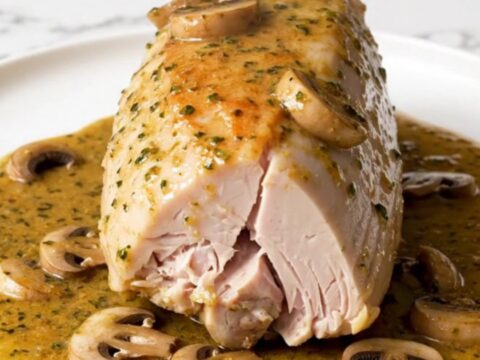
Slow Cooker Turkey Tenderloin Marsala with Mushrooms
Total time: 4 h 15 min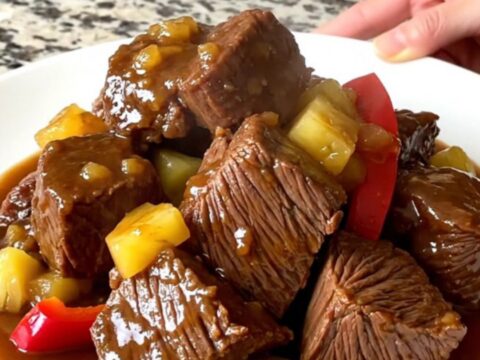
Slow Cooker Hawaiian Chuck Roast for an Easy Dinner
Total time: 8 h 15 min