Dinner · Part 3 of 3: Tips & recipe card
Slow Cooker Beef and Bean Burrito Casserole Tips, FAQ & printable recipe
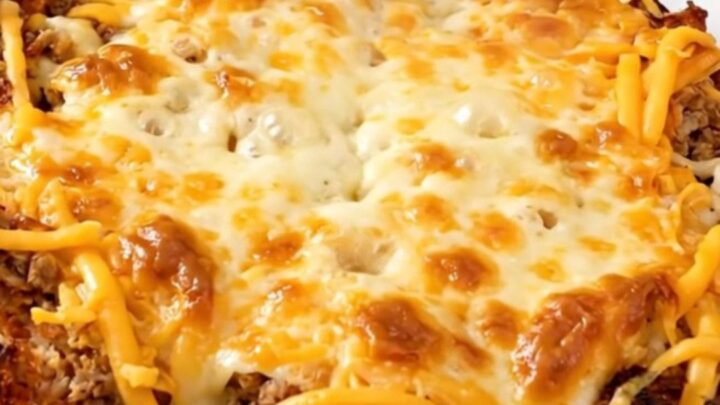
- Prep
- Cook
- Total
- Serves
- 6
Tips for success
For added texture, consider topping the finished casserole with fresh ingredients after it has been plated, such as diced tomatoes, cilantro, or a dollop of sour cream. These additions provide a refreshing contrast to the rich, savory flavors of the beef and bean base, making each bite more interesting and vibrant for your dinner guests.
If you find the casserole is too thick after cooking, you can stir in a small amount of water or beef broth to adjust the consistency to your liking.
However, be cautious not to add too much liquid, as the salsa typically provides sufficient moisture. Adding fresh herbs right before serving can also brighten the overall profile of the dish.
Variations
- Spicy Kick: Add a diced jalapeño or a teaspoon of red pepper flakes to the beef layer before cooking to introduce a pleasant heat that cuts through the richness of the beans.
- Veggie Loaded: Incorporate diced bell peppers or corn kernels into the mixture before cooking to add texture, color, and natural sweetness that complements the savory beef and beans perfectly.
Storage and make-ahead
- Fridge
- Keep in an airtight container for up to 3 days.
- Freezer
- Freeze in a freezer-safe container for up to 2 months.
- Reheat
- Reheat in the microwave in 1-minute intervals until steaming hot, or in a saucepan over low heat.
Store any leftovers in an airtight container in the refrigerator to maintain freshness. Ensure the casserole has cooled to room temperature for no more than two hours before placing it in the fridge.
Properly stored, the dish will remain flavorful and safe to consume for up to three days, making it an excellent option for quick mid-week meals.
You can prepare the base components in the slow cooker bowl earlier in the day and keep it covered in the refrigerator until you are ready to cook. Simply remove it from the fridge, place it in the slow cooker, and start the cooking cycle. Do not add the cheese until the very end, just before serving, to ensure it melts properly.
Serving ideas
Serve this casserole directly from the slow cooker for a casual dinner experience, or spoon it into individual bowls. It pairs beautifully with warm flour tortillas, crunchy tortilla chips, or a side of cilantro-lime rice.
The versatility of the dish allows it to be the centerpiece of a larger Mexican-inspired spread, complemented by various salsas and fresh toppings.
For a complete meal, consider serving the casserole with a side of crisp green salad or some grilled vegetables to balance the richness of the beans and beef.
Providing extra toppings like lime wedges or hot sauce on the side allows everyone to customize their portion to their liking, ensuring a satisfying and personalized dining experience for all involved.
Frequently asked questions
Can this be made in a faster way?
Is it possible to use canned beans instead of refried beans?
Does the ground beef need to be browned first?
Slow Cooker Beef and Bean Burrito Casserole
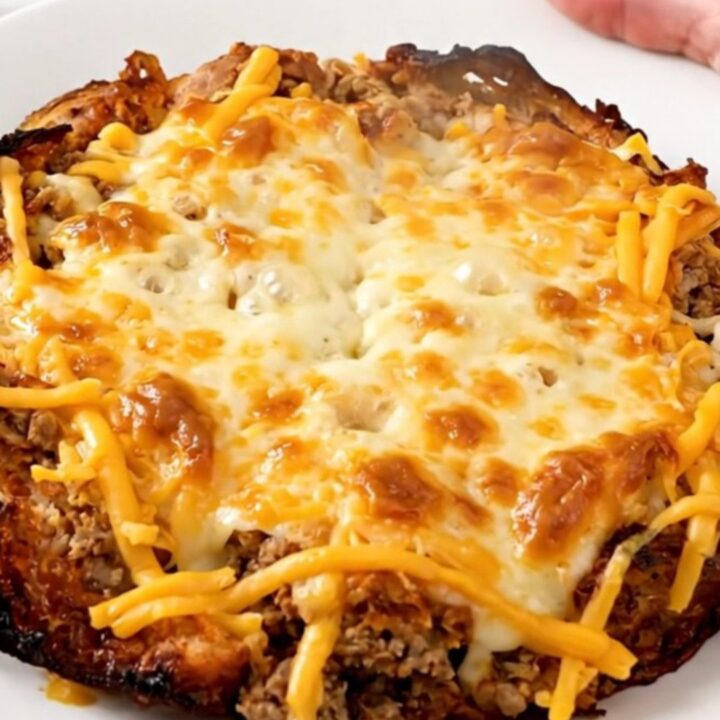
Ingredients
- 1 lb ground beef
- 16 oz refried beans
- 1 packet taco seasoning
- 1 cup salsa
- 1 cup shredded cheese
Instructions
- Place the raw ground beef at the bottom of the slow cooker basin. Spoon the refried beans evenly over the meat, then sprinkle the taco seasoning packet across the top of the bean layer.
- Pour the salsa over the bean and spice layer. Cover the slow cooker with its lid and cook on low for 4 hours until the ground beef is fully cooked to an internal temperature of 160°F (71°C).
- Once cooked, sprinkle the shredded cheese over the top of the casserole. Replace the lid for 5 minutes or until the cheese is completely melted and bubbly, then serve immediately.
Estimated nutrition per serving
- Calories
- 420
- Protein
- 28.5 g
- Carbohydrates
- 22 g
- Fat
- 24.5 g
- Fiber
- 6 g
- Sugar
- 4 g
- Sodium
- 850 mg
Next recipe
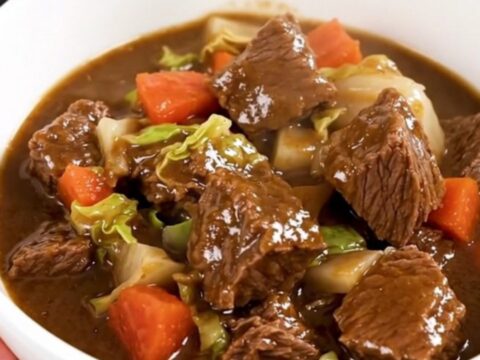
Easy Slow Cooker Beef and Cabbage Stew
See the recipe → →This recipe is based on a short cooking video and is published under the pen name Clara Weller. It was checked before publication, but errors can slip through. Nutrition, when shown, is an estimate. Read more in our editorial policy and on our food safety page.
More recipes to try
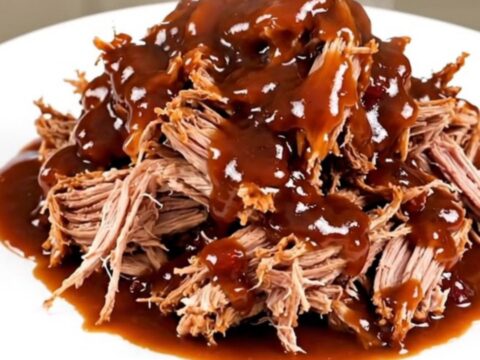
Slow Cooker Cranberry Barbecue Pulled Pork
Total time: 8 h 15 min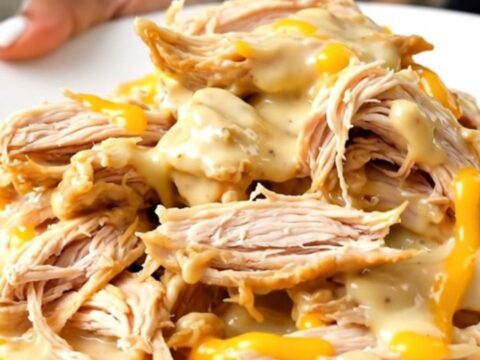
Creamy Apple White Cheddar Chicken for a Quick Dinner
Total time: 4 h 15 min
Creamy Slow Cooker Alfredo Tortellini
Total time: 2 h 5 min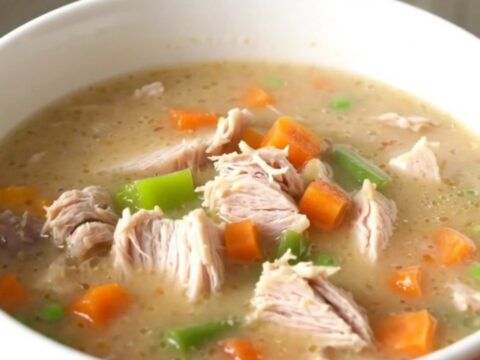
Creamy Slow Cooker Turkey Pot Pie Soup
Total time: 4 h 10 min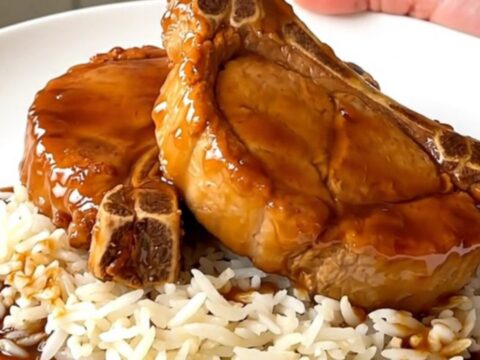
Easy Crockpot Orange Pork Chops for a Tender Weeknight Dinner
Total time: 4 h 10 min