Dinner · Part 3 of 3: Tips & recipe card
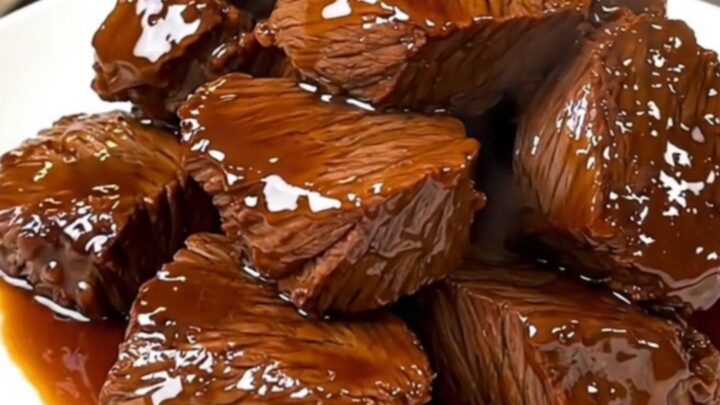
Slow Cooker Balsamic Honey Beef Chuck Roast Tips, FAQ & printable recipe
- Prep
- Cook
- Total
- Serves
- 4
Tips for success
To achieve a more intense flavor, you can sear the beef chunks in a hot pan with a small amount of oil before placing them in the slow cooker. This creates a Maillard reaction on the surface of the meat, adding a deeper, roasted complexity to the final sauce, though it is not strictly necessary for a delicious result.
If you prefer a thicker sauce, you can remove the beef once it is cooked and continue to heat the remaining liquid in the slow cooker on the high setting with the lid off for 20-30 minutes.
This will evaporate excess water and create a more concentrated glaze that can be poured back over the shredded or chunked beef before serving.
Variations
- Spicy Balsamic Beef: Add a teaspoon of red pepper flakes to the balsamic and honey mixture before pouring over the beef. This introduces a subtle heat that cuts through the richness of the meat.
- Herbed Balsamic Beef: Incorporate a sprig of fresh rosemary or thyme into the slow cooker during the cooking phase. The woody herbs complement the balsamic vinegar and add a fragrant, earthy depth.
Storage and make-ahead
- Fridge
- Store in an airtight container for up to 3 days.
- Freezer
- Freeze in a freezer-safe container for up to 2 months.
- Reheat
- Reheat gently in a saucepan over low heat until hot throughout.
Store leftovers in an airtight container in the refrigerator for up to three days. Ensure the beef is cooled to room temperature within two hours of cooking before placing it in the fridge.
This maintains the safety and quality of the meat, preventing the growth of harmful bacteria and preserving the integrity of the sauce.
This dish is excellent for making ahead, as the flavors continue to meld and develop in the refrigerator overnight. You can prepare the entire recipe, allow it to cool completely, and then store it in the fridge. When ready to eat, gently reheat the beef and sauce on the stovetop over low heat until it is warmed through.
Serving ideas
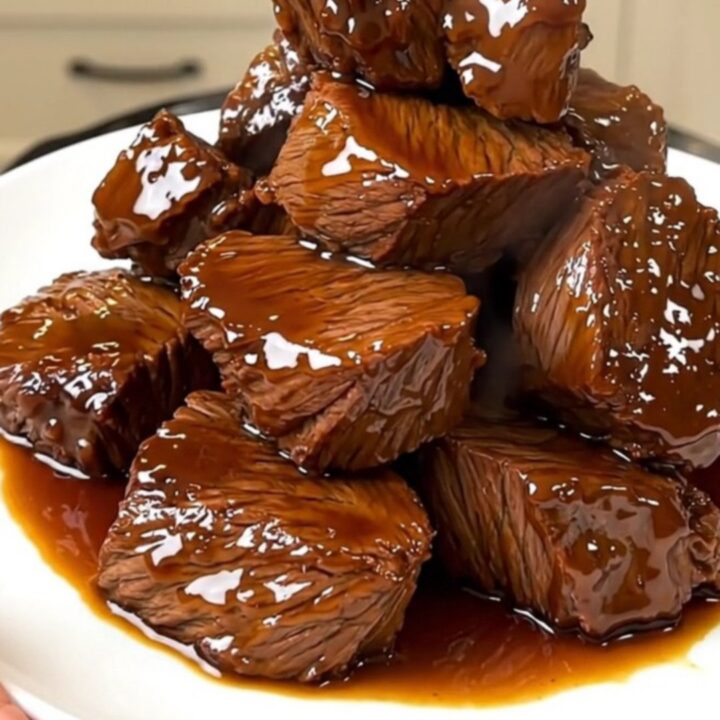
Serve the beef warm, spooning the balsamic honey glaze generously over each portion.
It pairs beautifully with simple side dishes that can absorb the rich sauce, such as creamy mashed potatoes, steamed green beans, or a crisp, lightly dressed garden salad to provide a refreshing contrast to the savory, concentrated flavors of the slow-cooked beef.
For a more casual presentation, you can lightly shred the beef with two forks before serving, allowing the meat to fully integrate with the glaze.
This makes the dish perfect for serving over crusty bread or alongside roasted root vegetables, ensuring every bite is packed with the sweet and tangy essence of the balsamic-honey reduction.
Frequently asked questions
Can this be made in a pressure cooker?
Why is the sauce too runny?
Is it possible to use a different cut of meat?
Slow Cooker Balsamic Honey Beef Chuck Roast
Ingredients
- 2 lb beef chuck, cut into large chunks
- 1 large red onion, thinly sliced
- 1 tbsp garlic powder
- 1 cup balsamic vinegar and honey mixture
Instructions
- Place the raw beef chuck chunks into the base of the slow cooker. Scatter the sliced red onions evenly over the beef pieces. Ensure the meat is arranged in a single layer for even cooking.
- Sprinkle the garlic powder over the beef and onions. Pour the balsamic vinegar and honey mixture over the entire assembly, ensuring the beef is well-coated by the liquid ingredients.
- Cover the slow cooker and cook on low heat for 8 hours until the beef is fork-tender. Once finished, ensure the internal temperature of the beef reaches 145°F (63°C). Let the meat rest for 10 minutes before serving on a warm plate.
Estimated nutrition per serving
- Calories
- 450
- Protein
- 35 g
- Carbohydrates
- 20 g
- Fat
- 25 g
- Fiber
- 1 g
- Sugar
- 18 g
- Sodium
- 350 mg
Next recipe
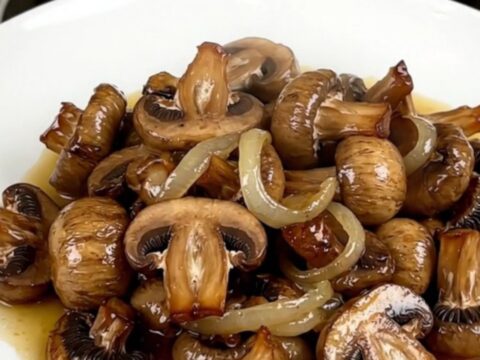
Slow Cooker White Wine and Shallot Braised Mushrooms
See the recipe → →This recipe is based on a short cooking video and is published under the pen name Clara Weller. It was checked before publication, but errors can slip through. Nutrition, when shown, is an estimate. Read more in our editorial policy and on our food safety page.
More recipes to try

Slow Cooker Coconut Curry Cod for an Easy Weeknight Dinner
Total time: 3 h 10 min
Slow Cooker Sweet Potato and Goat Cheese Gratin
Total time: 4 h 15 min
Slow Cooker Cod and Zucchini Colombo for an Easy Dinner
Total time: 3 h 10 min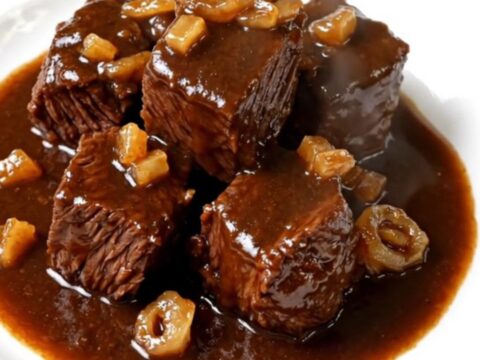
Slow Cooker Beef Bourguignon with Candied Shallots
Total time: 8 h 15 min
Slow Cooker Pela des Aravis with Reblochon Cheese
Total time: 4 h 15 min