Appetizers · Part 3 of 3: Tips & recipe card
Slow-Cooker Apple Cider and Sage Pork Meatballs Tips, FAQ & printable recipe

- Prep
- Cook
- Total
- Serves
- 8
Tips for success
To achieve a more intense flavor, you can sear the pork meatballs in a hot skillet before placing them in the slow cooker.
This adds a layer of Maillard reaction-driven flavor that complements the sweetness of the cider. However, if you are short on time, the dump-and-go method works perfectly well for a casual gathering.
For a visually appealing presentation, serve the meatballs directly in the ceramic insert of the slow cooker if it is attractive enough.
Alternatively, transfer them to a shallow serving dish and drizzle any remaining glaze from the bottom of the slow cooker over the top. Providing a small bowl of extra Dijon mustard on the side can add a nice contrast for guests who prefer a bit more tang.
Variations
- Spicy Cider Meatballs: Stir half a teaspoon of crushed red pepper flakes into the cider mixture before slow cooking for a pleasant kick.
- Bourbon Cider Meatballs: Replace two tablespoons of the boiled cider with Kentucky bourbon to introduce subtle oak and vanilla undertones to the glaze.
Storage and make-ahead
- Fridge
- Store in an airtight container in the refrigerator for up to 3 days.
- Freezer
- Freeze in an airtight freezer-safe container with the glaze for up to 2 months.
- Reheat
- Reheat gently in a saucepan over low heat until the meat reaches 165°F (74°C).
Store any leftover meatballs along with their glaze in an airtight container in the refrigerator for up to 3 days. Ensure the leftovers cool for 2 hours at most before transferring them into cold storage to preserve food safety.
When reheating, warm them gently over low heat to prevent the glaze from burning or the meatballs from drying out.
You can prepare the cider, brown sugar, Dijon mustard, and sage mixture up to 24 hours in advance and keep it chilled in the refrigerator. When ready to cook, add the meatballs and the prepared liquid mixture to the slow cooker insert and turn it on. This minimizes morning preparation time for busy party days.
Serving ideas
These meatballs are best served warm, making them an ideal appetizer for autumn parties where guests can graze throughout the evening.
The use of wooden picks makes them convenient for guests to grab while mingling. Consider serving them alongside a selection of sharp cheeses or crusty bread to balance the sweetness of the apple cider glaze.
If serving as part of a larger buffet, keep the slow cooker on the warm setting to ensure the meatballs remain at a safe and pleasant temperature. If the glaze becomes too thick as it sits, you can whisk in a teaspoon of warm water to loosen it up just before serving to guests.
Frequently asked questions
Can frozen meatballs be used in this slow cooker recipe?
How can the glaze be thickened if it seems too thin?
Can the cooked meatballs be kept warm for several hours?
Slow-Cooker Apple Cider and Sage Pork Meatballs

Ingredients
- 2 lb ground pork meatballs, seasoned
- 1 1/2 cups apple cider, boiled
- 1/2 cup dark brown sugar
- 2 tbsp Dijon mustard
- 2 tbsp butter
- 12 fresh sage leaves
Instructions
- Place the ground pork meatballs into the ceramic slow cooker insert. Add the boiled apple cider, dark brown sugar, Dijon mustard, butter, and fresh sage leaves directly over the meatballs.
- Cover the slow cooker and cook on the LOW setting for 3 hours. The apple cider will reduce into a rich, spiced caramel glaze that coats the tender meatballs. Ensure the internal temperature reaches at least 160°F (71°C) on an instant-read thermometer.
- Garnish the glazed meatballs with crispy fried sage leaves. Serve straight from the warm ceramic slow cooker insert with wooden picks for easy picking.
Estimated nutrition per serving
- Calories
- 320
- Protein
- 18 g
- Carbohydrates
- 22 g
- Fat
- 18 g
- Fiber
- 0.5 g
- Sugar
- 18 g
- Sodium
- 650 mg
Next recipe
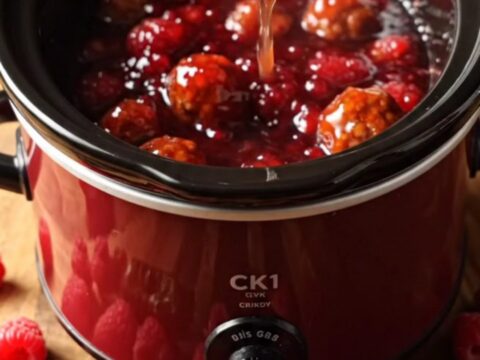
Slow-Cooker Chipotle Raspberry Glazed Meatballs
See the recipe → →This recipe is based on a short cooking video and is published under the pen name Clara Weller. It was checked before publication, but errors can slip through. Nutrition, when shown, is an estimate. Read more in our editorial policy and on our food safety page.
More recipes to try

Garlic Butter Parmesan Crockpot Chicken Meatballs
Total time: 2 h 10 min
Slow-Cooker Peach and Bourbon BBQ Meatballs
Total time: 3 h 5 min
Sticky Honey Garlic Slow-Cooker Meatballs for Easy Entertaining
Total time: 3 h 5 min
Slow-Cooker Bourbon Maple Kielbasa Bites
Total time: 2 h 35 min
Slow-Cooker Cranberry Orange Glazed Turkey Meatballs
Total time: 3 h 5 min