Dinner · Part 3 of 3: Tips & recipe card
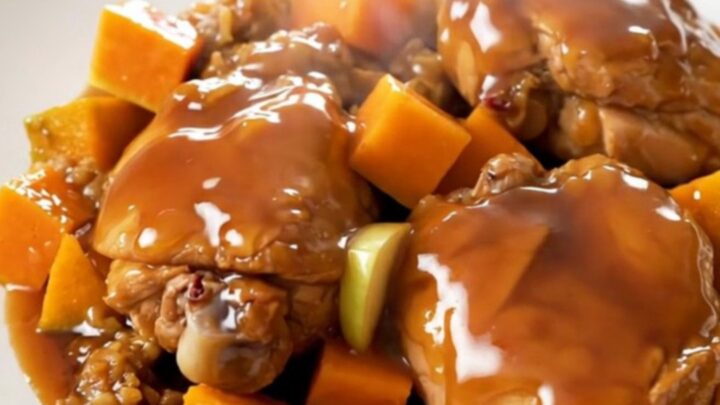
Slow Cooker Apple Butternut Squash Chicken Thighs Tips, FAQ & printable recipe
- Prep
- Cook
- Total
- Serves
- 4
Tips for success
For a deeper, more concentrated flavor, you can toast the ground cinnamon in a small dry pan for thirty seconds before sprinkling it over the ingredients.
This releases the essential oils and enhances the warm, spicy notes of the spice, which pairs exceptionally well with the sweetness of the squash.
If the sauce appears too thin at the end of the cooking process, you can remove the chicken and vegetables with a slotted spoon and set the slow cooker to a high heat setting for ten minutes to reduce the liquid. This concentrates the maple and fruit flavors, creating a more intense glaze.
Variations
- Savory Herb Twist: Replace the cinnamon and maple syrup with a teaspoon of dried thyme and a tablespoon of balsamic vinegar. This creates a savory, earthy profile that highlights the natural sweetness of the butternut squash without the dessert-like notes.
- Spicy Kick: Add a teaspoon of red pepper flakes or a dash of cayenne pepper along with the cinnamon and maple syrup. The heat from the pepper flakes balances the sweetness of the fruit and syrup, adding a complex depth to the final dish.
Storage and make-ahead
- Fridge
- Store in an airtight container in the refrigerator for up to 3 days.
- Freezer
- Store in a freezer-safe container for up to 2 months. Thaw in the refrigerator before reheating.
- Reheat
- Reheat in a saucepan over low heat or in the microwave until steaming hot throughout.
Store any leftovers in an airtight container in the refrigerator. Ensure the food has cooled to room temperature, but do not leave it out for more than two hours.
Properly stored, the dish will maintain its quality for up to three days. When reheating, ensure the chicken is heated through to a steaming temperature throughout.
This dish is an excellent candidate for making ahead. You can prepare the ingredients and store them in the refrigerator in the slow cooker insert overnight.
Simply place the insert into the base and start the cooking process the next morning. This saves significant time during busy days while ensuring a fresh, hot meal.
Serving ideas
Serve this dish hot, directly from the slow cooker or plated individually. It pairs beautifully with a side of steamed grains like quinoa or brown rice, which are perfect for soaking up the flavorful juices created by the apples and maple syrup during the long, slow cooking process.
For an added textural contrast, sprinkle some toasted walnuts or pecans over the top just before serving.
The crunch of the nuts complements the tenderness of the chicken and the softness of the squash, adding a sophisticated finish to a simple, rustic meal that is perfect for any weeknight dinner.
Frequently asked questions
Can this be made ahead of time?
Does the chicken need to be browned before slow cooking?
Can a different type of squash be used?
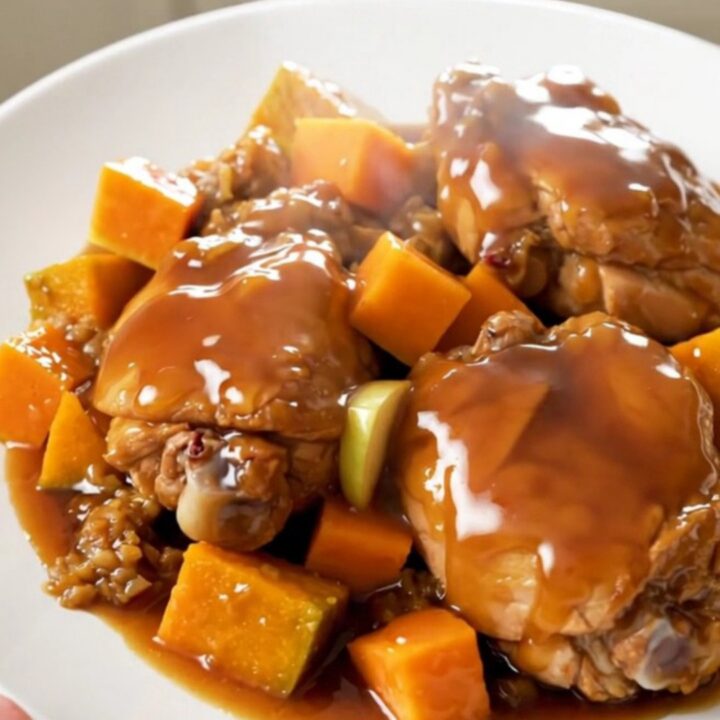
Slow Cooker Apple Butternut Squash Chicken Thighs
Ingredients
- 4 lbs chicken thighs, skinless and boneless
- 2 cups butternut squash, peeled and cubed
- 2 cups apples, peeled, cored, and sliced
- 1 tsp ground cinnamon
- 1/4 cup maple syrup
Instructions
- Place the raw chicken thighs into the bottom of the slow cooker insert. Ensure the chicken is arranged in a single layer to promote even cooking throughout the process.
- Scatter the cubed butternut squash and sliced apples over the chicken. Evenly sprinkle the ground cinnamon over the top and pour the maple syrup over the entire mixture to coat the ingredients.
- Cover the slow cooker and cook on low for 6 hours. Check that the chicken reaches an internal temperature of 165°F (74°C). Allow the chicken to rest for at least 5 minutes before serving.
Estimated nutrition per serving
- Calories
- 420
- Protein
- 32 g
- Carbohydrates
- 28 g
- Fat
- 19 g
- Fiber
- 4 g
- Sugar
- 18 g
- Sodium
- 150 mg
Next recipe
Easy Slow Cooker 3-Packet Pot Roast
See the recipe → →This recipe is based on a short cooking video and is published under the pen name Clara Weller. It was checked before publication, but errors can slip through. Nutrition, when shown, is an estimate. Read more in our editorial policy and on our food safety page.
More recipes to try
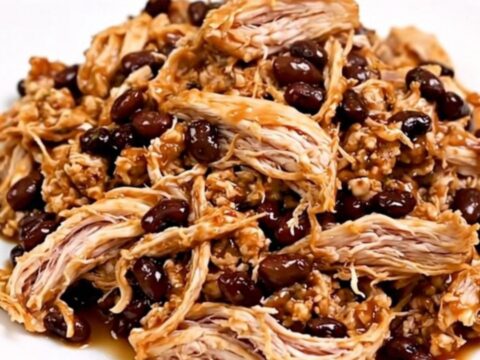
Easy Slow Cooker Fiesta Chicken for Busy Nights
Total time: 4 h 10 min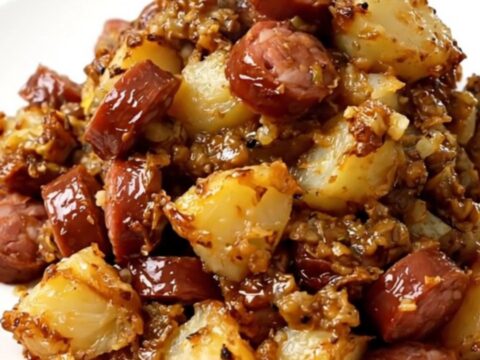
Easy Slow Cooker Swamp Potatoes and Smoked Sausage
Total time: 4 h 5 min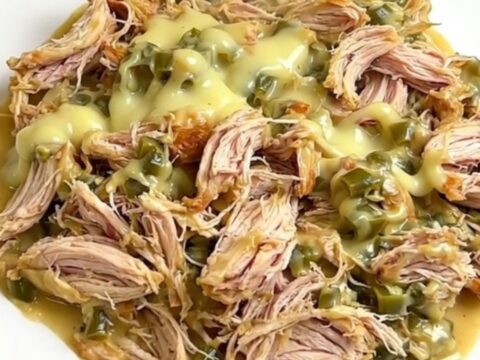
Creamy Crockpot Green Chile Chicken
Total time: 4 h 10 min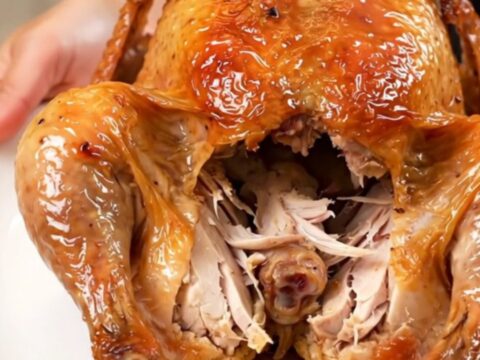
Slow Cooker Garlic Butter Whole Chicken for a Simple Dinner
Total time: 6 h 15 min
Easy Crockpot Bacon Ranch Turkey Meatballs
Total time: 3 h 5 min