Dinner · Part 1 of 3: Ingredients
Slow-Cooked Garlic Butter Beef Pot Roast
- Prep
- Cook
- Total
- Serves
- 6
Craving a comforting dinner that requires almost zero effort? This slow-cooked garlic butter beef delivers melt-in-your-mouth tenderness with a rich, savory gravy that tastes like it simmered in a gourmet kitchen for hours. It is the ultimate hands-off meal for busy weeknights or cozy Sundays when comfort food is non-negotiable. Simply set the cooker and let the magic happen.
Transform a humble cut of beef into an extraordinary feast using the power of slow cooking. This recipe combines a well-marbled chuck roast with whole garlic cloves, rich butter, and simple seasonings.
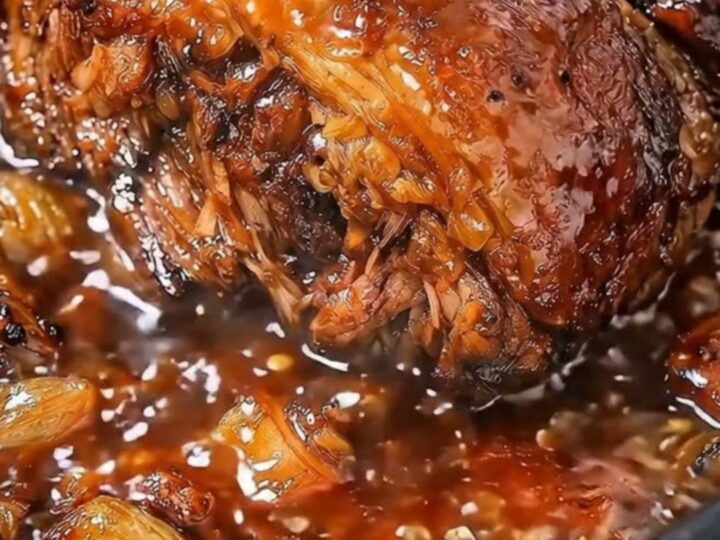
As it cooks on low heat, the beef breaks down completely, absorbing the rich garlic butter juices while creating a deep, bubbling brown gravy right in the pot. It is a foolproof method that guarantees incredibly juicy, tender results every single time, making it a reliable staple for any home cook.
Ingredients
- 3 lb beef chuck roast
- 1 tbsp seasoning
- 10 whole garlic cloves, peeled
- 1 cup beef broth
- 1/2 cup unsalted butter, sliced into pats
Why this recipe works
The magic of this recipe lies in the low-and-slow cooking process, which is essential for tough, collagen-rich cuts like chuck roast. Over several hours, the steady, gentle heat melts the tough connective tissues, turning them into gelatin.
This process naturally tenderizes the meat from the inside out, ensuring every bite is exceptionally succulent. Without this extended cooking time, the beef would remain tough and chewy, but the slow cooker handles the transformation beautifully without drying out the meat.
Additionally, cooking the beef directly with butter and whole garlic cloves creates a self-basting environment. As the butter melts over the seasoned meat, it combines with the natural juices of the beef to form a rich, savory emulsion.
This liquid continuously bathes the roast as it simmers, infusing the deep garlic and buttery flavors throughout the entire cut. The garlic cloves soften and roast in the fat, losing their sharp bite and developing a sweet, mellow complexity that flavors the gravy.
Notes and substitutions
Choosing the right cut of meat is crucial for the success of this slow-cooked dish. A boneless beef chuck roast is highly recommended because it contains the perfect balance of lean meat and marbled fat, which prevents it from drying out during the long cook time. Avoid lean cuts like eye of round or sirloin tip, as they will become tough and stringy in the slow cooker. If chuck roast is unavailable, a beef brisket or shoulder roast can serve as excellent alternatives.
For the best flavor profile, use unsalted butter to maintain complete control over the sodium levels of the dish. This allows the natural beef flavors and the roasted garlic to shine without becoming overly salty.
Ensure the garlic cloves are peeled but left completely whole; mincing them can cause the garlic to burn or become bitter during the long cooking cycle. A standard six-quart slow cooker is the ideal equipment size to ensure even heat distribution around the roast.
- beef chuck roast: beef brisket or shoulder roast can be used instead
- unsalted butter: salted butter can be used, but reduce any added seasoning
Equipment
- 6-quart slow cooker
- Paper towels
- Measuring cups and spoons
- Two forks
- Meat thermometer
Up next · Part 2 of 3
5 steps · 8 h of cooking · what to look for at each stage
Step-by-step instructions (Part 2)