Appetizers · Part 1 of 3: Ingredients
Sizzling Korean Cheese Corn Skillet Side
- Prep
- Cook
- Total
- Serves
- 4
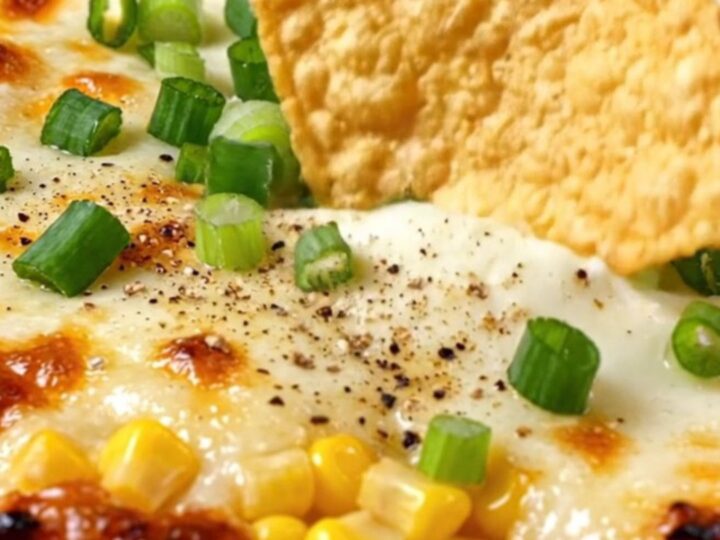
Transform your kitchen into a Korean pub with this incredibly simple, high-impact side dish. This Korean cheese corn is a masterclass in textures, combining the snap of sweet corn with the luxurious, gooey pull of melted mozzarella.
It is a quick-to-assemble delight that relies on the intense heat of a cast-iron skillet to create a caramelized, bubbling crust that is impossible to resist. Whether you are hosting a casual dinner or just looking for a savory treat, this recipe is designed to impress with minimal effort.
This dish is a staple of Korean BBQ pubs, known for balancing sweetness, heat, and savory richness. By using a cast-iron skillet, you achieve the perfect contrast between the molten cheese center and the browned, crispy edges that develop under the broiler.
The combination of Kewpie mayonnaise and honey provides a unique, creamy profile that elevates plain corn into something truly special. Served hot directly from the pan, it invites everyone to dig in and enjoy the satisfying stretch of cheese that defines this classic, comforting appetizer.
Ingredients
- 350 g drained sweet corn kernels
- 45 g Japanese Kewpie mayonnaise
- 15 g honey
- 1/2 tsp cayenne pepper
- 30 g diced red bell pepper
- 200 g shredded low-moisture mozzarella
- 30 g butter
Garnish
- 2 tbsp chopped scallions, for serving
- 1/4 tsp black pepper, to taste
Why this recipe works
The method of using a cast-iron skillet is crucial because it provides superior heat retention compared to other pans. When the corn mixture hits the hot buttered surface, it begins to cook immediately, locking in the flavors. The high-heat environment ensures that the moisture from the corn and cheese evaporates at the right rate, preventing a soggy outcome and encouraging the development of a flavorful, golden crust.
Broiling serves as the final, transformative step that adds a layer of complexity to the dish. By exposing the surface to intense direct heat, the mozzarella undergoes a rapid browning process, creating a bubbly, charred top layer.
This contrast between the tender, creamy interior and the slightly crisp, caramelized exterior is what gives this cheese corn its addictive quality and authentic pub-style appeal that is perfect for sharing.
Notes and substitutions
For the best results, use low-moisture mozzarella rather than fresh mozzarella balls packed in water. Low-moisture cheese melts more uniformly and produces the signature gooey stretch that is essential for this recipe.
If you cannot find Kewpie mayonnaise, you can make a suitable substitute by whisking a small amount of sugar into your favorite high-quality mayonnaise, which will mimic the slightly sweeter profile of the Japanese original.
The choice of equipment is vital for this recipe's success. A heavy-duty cast-iron skillet is the only pan that can effectively transition from the stovetop to a 500°F broiler without damage. If you do not have a cast-iron skillet, ensure that any other oven-safe pan used is safe for high-heat broiling. Always handle the hot skillet with heavy-duty oven mitts to avoid burns when transferring it between the range and the oven.
- Japanese Kewpie mayonnaise: regular mayonnaise mixed with a pinch of sugar
- red bell pepper: finely diced green bell pepper or mild chili
Equipment
- mixing bowl
- 30g buttered cast-iron skillet
- spoon
- broiler
Up next · Part 2 of 3
3 steps · 6 min of cooking · what to look for at each stage
Step-by-step instructions (Part 2)