Dinner · Part 2 of 3: Instructions
Simple Slow Cooker Tuna Tomato Pasta Step-by-step instructions
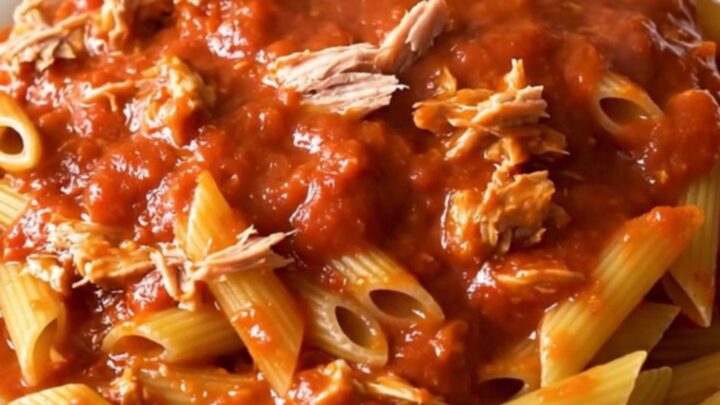
- Prep
- Cook
- Total
- Serves
- 4
Before you start
Before you begin, ensure your slow cooker insert is clean and dry. Open the cans of tuna and drain the liquid according to your preference. Have your dried penne, dried oregano, and tomato puree measured and ready to go.
Because this is a dump-and-go recipe, having all ingredients within reach makes the assembly process fast and efficient, allowing you to get the meal started in just a few minutes without any complex prep work.
Ingredients at a glance (4)
- 2 cans (5 oz each) canned tuna, drained and flaked
- 1 lb penne pasta, dry
- 1 tbsp dried oregano
- 2 cups tomato puree
Instructions
Initial Assembly
- Layer the ingredientsPlace the flaked canned tuna into the bottom of the slow cooker insert. Distribute the dry penne pasta evenly over the tuna layer to ensure it cooks thoroughly in the sauce.Look for Ensure the tuna is evenly spread so it flavors the entire dish as it cooks.Tip Adding the tuna first helps it infuse the pasta with savory flavor throughout the cooking process.
At this stage, the slow cooker contains the flaked tuna and dry pasta. Everything is neatly layered, and the kitchen should be ready for the seasoning phase. Ensure the tuna is distributed well across the base so that the subsequent ingredients will settle correctly on top, creating a solid foundation for the slow cooking process that will follow shortly.
Adding Aromatics and Sauce
- Season and add sauceSprinkle the dried oregano over the pasta. Pour the tomato puree over the top, ensuring that all the pasta is well coated by the liquid to prevent sticking or uneven cooking.Look for The tomato puree should cover the pasta completely for even hydration.Tip If the sauce looks too thick, a small splash of water can be added to help the pasta cook properly.
The tomato puree and oregano are now added, creating a vibrant red layer over the pasta. The visual cue here is complete coverage; the puree should be thick enough to hold the pasta in place. Check that no stray pieces of pasta are left completely dry on top, as these will not cook properly without being surrounded by the sauce during the heat cycle.
Cooking to Completion
- Cook and serveCover the slow cooker and cook on high for 3 hours or until the pasta is tender and the sauce is thick and glossy. Ensure the internal temperature of the tuna reaches 145°F (63°C). Let it rest for 5 minutes before serving on warm plates.Look for The pasta should be al dente and the sauce should cling to the noodles.Safe temperature 145°F (63°C) internal temperature (fish)Tip Stir gently before serving to incorporate the tuna thoroughly into the tomato sauce.
Once the cooking time is reached, the kitchen should smell of warm tomato and savory tuna. The pasta should be soft, the sauce should be thick and clinging to the noodles, and the entire mixture should be hot throughout.
A gentle stir confirms that the sauce has achieved the right consistency, indicating that the meal is ready to be plated and served while steaming.
Common mistakes
Avoid adding too much extra liquid at the start, as the sauce will naturally thin out as the pasta releases starch. Another common error is stirring the ingredients too early or too often; let the slow cooker do the work undisturbed to maintain the integrity of the pasta shape.
Finally, ensure the pasta is completely submerged in the tomato puree; any dry, exposed noodles on the surface may remain hard and crunchy, which ruins the texture of the final dish.
How to tell it’s done
The dish is done when the penne pasta is tender but still offers a slight resistance to the bite, known as al dente. The sauce should be thick, glossy, and evenly distributed throughout the pasta.
Since the tuna is already cooked, the main goal is reaching a safe internal temperature of 145°F (63°C) throughout the mixture to ensure the pasta is properly cooked and the flavors have melded into a cohesive, steaming meal that is ready to serve immediately.
- Fish: 145°F (63°C) in the thickest part
Up next · Part 3 of 3
2 variations · storage & make-ahead · 3 answers · printable card
Tips, FAQ & printable recipe (Part 3)← Back to the ingredients (Part 1)