Desserts · Part 2 of 3: Instructions
Silky Dark Chocolate Espresso Panna Cotta Step-by-step instructions
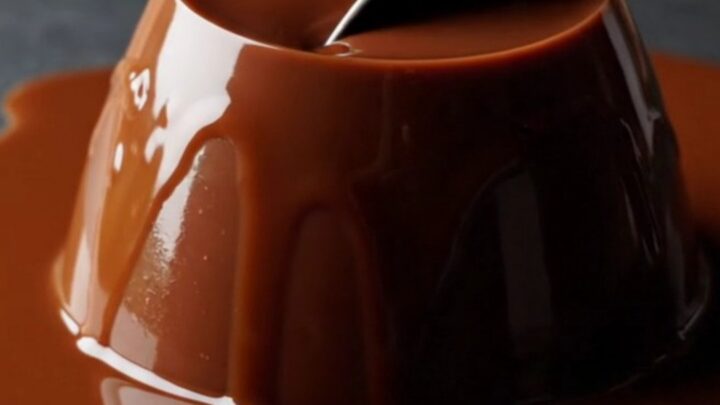
- Prep
- Cook
- Total
- Serves
- 4
Before you start
Before starting, measure all ingredients and chop the dark chocolate. Bloom the gelatin by sprinkling it over cold water in a small bowl. Have your molds or ramekins ready.
The panna cotta needs at least 4 hours to chill, so plan ahead. Prepare the espresso caramel ahead of time if making from scratch, or have a store-bought version on hand.
Ingredients at a glance (8)
- 2 cups heavy cream
- 1/2 cup whole milk
- 1/2 cup granulated sugar
- 1 shot freshly brewed espresso
- 6 oz dark chocolate, chopped
- 1 tbsp unflavored powdered gelatin
- 3 tbsp cold water
- 1/2 cup espresso caramel, for serving
Instructions
Prepare the Cream Base
- Bloom the gelatinIn a small bowl, sprinkle the gelatin over the cold water. Let stand for 5-10 minutes until the gelatin is fully absorbed and looks like a firm sponge.Look for The gelatin should be completely hydrated, not powdery.Tip Use cold water to prevent the gelatin from clumping.
- Heat the cream mixtureIn a medium saucepan, combine the heavy cream, milk, and sugar. Place over medium heat and stir occasionally until the sugar dissolves and the mixture is hot but not boiling, about 3-4 minutes.Look for The mixture should be steaming, not bubbling.Tip Stir gently to avoid scorching the bottom.
- Melt the chocolateReduce the heat to low. Add the chopped dark chocolate to the hot cream mixture. Whisk constantly until the chocolate is fully melted and the mixture is smooth and glossy.Look for The mixture should be uniformly dark and silky, with no visible chocolate pieces.Tip If the chocolate doesn't melt completely, return to low heat and whisk.
- Add espresso and gelatinWhisk in the freshly brewed espresso. Add the bloomed gelatin and whisk until completely dissolved, about 1 minute. Do not let the mixture boil.Look for The gelatin should be fully incorporated with no lumps.Tip Keep the heat low to maintain the gelatin's setting power.
At the end of this phase, you should have a smooth, glossy, dark chocolate cream mixture with the espresso and gelatin fully incorporated. It should smell richly of chocolate and coffee, and have a silky consistency with no lumps. The mixture should be warm but not boiling.
Set the Panna Cotta
- Pour into moldsPour the warm mixture through a fine-mesh strainer into a large measuring cup or directly into four 6-ounce ramekins or molds. Tap each mold gently on the counter to release any air bubbles.Look for The mixture should be smooth and fill the molds evenly.Tip Straining ensures a perfectly silky texture.
- Refrigerate until setPlace the molds in the refrigerator and chill for at least 4 hours, or until the panna cotta is firmly set and has a gentle wobble when shaken.Look for The panna cotta should be firm to the touch but still jiggle slightly in the center.Tip Chill for up to 24 hours for a firmer set.
After pouring into molds and refrigerating, the panna cotta should be firm to the touch with a gentle wobble in the center.
The surface should be smooth and shiny. When gently shaken, the panna cotta should move as one piece, not slosh. It should be fully chilled and ready to unmold.
Unmold and Serve
- Unmold the panna cottaTo unmold, run a thin knife around the edge of each ramekin. Dip the bottom of the ramekin in hot water for 5-10 seconds, then invert onto a serving plate. The panna cotta should release with a silky wobble.Look for The panna cotta should slide out cleanly and hold its shape.Tip If it sticks, dip the ramekin in hot water a bit longer.
- Serve with espresso caramelSpoon the espresso caramel around the base of each panna cotta. Serve immediately, or keep chilled until ready to serve.Look for The caramel should pool around the panna cotta, adding a glossy contrast.Tip For a dramatic presentation, tap the dome with a spoon before serving.
The unmolded panna cotta should hold its shape with a clean, smooth surface. When you tap it with a spoon, it should wobble silkily. The espresso caramel should pool around the base, adding a glossy, sticky contrast. The dessert should look elegant and inviting on the plate.
Common mistakes
A common mistake is not blooming the gelatin properly, leading to lumps. Always use cold water and let it sit. Another pitfall is overheating the cream mixture after adding gelatin, which can weaken its setting power.
Also, be sure to strain the mixture before pouring to remove any undissolved gelatin or chocolate bits. Finally, don't rush the chilling time.
How to tell it’s done
The panna cotta is done when it is fully set: the surface should be firm to the touch, but the center should have a slight wobble when gently shaken.
The internal temperature doesn't apply here, but the chilling time is crucial. After four hours, the panna cotta should release cleanly from the mold and hold its shape on the plate.
Up next · Part 3 of 3
4 variations · storage & make-ahead · 5 answers · printable card
Tips, FAQ & printable recipe (Part 3)← Back to the ingredients (Part 1)