Dinner · Part 1 of 3: Ingredients
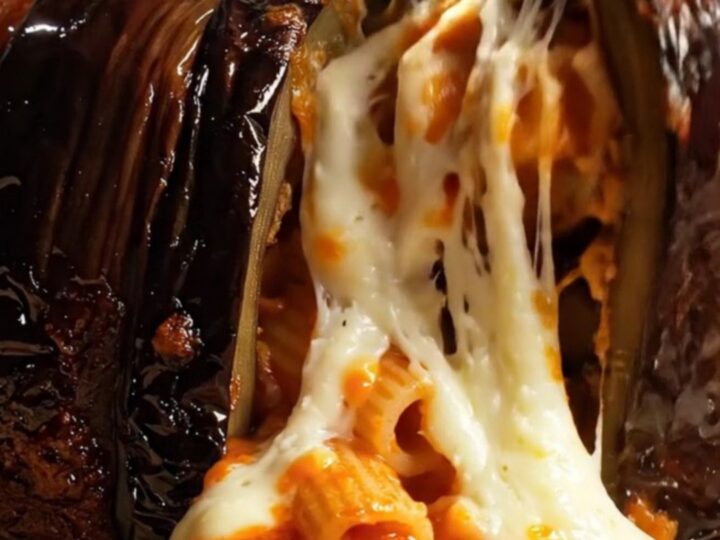
Sicilian Eggplant Parmigiana Pasta Timbale
- Prep
- Cook
- Total
- Serves
- 6
Elevate your dinner table with a showstopping Sicilian Eggplant Parmigiana Pasta Timbale. This impressive centerpiece combines crispy, golden-fried eggplant walls with a rich, molten center of rigatoni, savory tomato-basil sauce, and gooey melted cheeses.
It is the ultimate expression of Italian culinary drama, perfect for hosting guests or creating a memorable family meal that looks as spectacular as it tastes. Discover how simple it is to achieve this professional-looking result right in your home kitchen.
The beauty of this dish lies in its contrast of textures and flavors. By lining a springform pan with thin, fried eggplant strips, you create a crispy, savory crust that holds together a hearty filling of pasta and cheese.
As the dish bakes, the flavors meld perfectly, and the cheese transforms into a molten, stringy delight that cascades out when you cut into it. This recipe is an adaptation of traditional Sicilian timbales, designed to be accessible for home cooks while maintaining the impressive presentation required for a dinner party centerpiece.
Ingredients
Outer Layer
- 2 large eggplants, sliced into long strips and fried until golden
Filling
- 400 grams rigatoni, cooked al dente
- tomato-basil sauce, for serving
- 250 grams scamorza and fontina cheese, cubed
Garnish
- Fresh basil leaves, for serving
Why this recipe works
The method of frying the eggplant strips first is crucial because it ensures the vegetable becomes pliable enough to line the pan without snapping. This initial cooking step also develops a deep, caramelized flavor that contrasts perfectly with the acidic brightness of the tomato sauce and the creamy richness of the mixed cheeses. By packing the pasta tightly, you create a dense structure that allows the timbale to stand tall once it is inverted onto a serving platter.
Using a springform pan is the secret to a clean release. The metal sides conduct heat evenly, ensuring the outer eggplant layer becomes perfectly crisp while the interior remains saucy and tender. The combination of scamorza and fontina cheeses provides both a smoky depth and a superior melt, which is essential for that signature pull when serving. This layering technique ensures every bite contains a perfect ratio of eggplant, pasta, sauce, and cheese, resulting in a cohesive and satisfying dish.
Notes and substitutions
When selecting eggplants, look for firm, glossy specimens with tight, smooth skin. If the eggplant is too large or spongy, it may absorb too much oil during frying. For the pasta, rigatoni is the ideal shape because its ridges capture the tomato sauce, and its hollow center holds onto the melting cheese.
If you cannot find scamorza, a low-moisture mozzarella or a mild provolone will work as a substitute. Always ensure the pasta is cooked slightly al dente, as it will continue to soften during the bake.
The equipment used in this recipe is straightforward, but the springform pan is non-negotiable for success. If you do not have one, a standard cake pan lined with parchment paper might work, but removing the timbale will be significantly more difficult.
Ensure the frying oil is sufficiently hot before adding the eggplant; if the oil is too cool, the eggplant will soak up the fat and become greasy rather than crispy. Use a neutral high-smoke-point oil for frying to keep the flavor clean and focused on the vegetables.
- scamorza: mozzarella can be used if scamorza is unavailable
- fontina: gruyere or mild provolone provides a similar melt
Equipment
- 9-inch springform pan
- Large frying pan
- Pasta pot
- Colander
- Platter
- Oven
Up next · Part 2 of 3
3 steps · 30 min of cooking · what to look for at each stage
Step-by-step instructions (Part 2)