Appetizers · Part 1 of 3: Ingredients
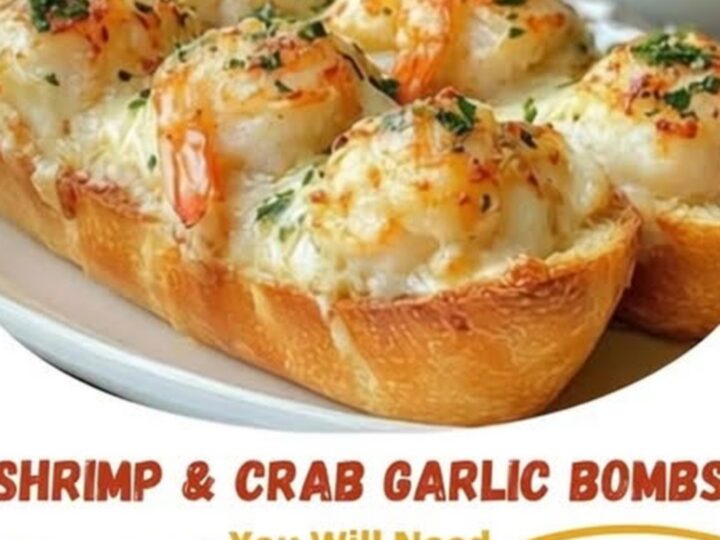
Shrimp and Crab Stuffed Garlic Bread for Crispy Appetizers
- Prep
- Cook
- Total
- Serves
- 8
Elevate your next gathering with this decadent shrimp and crab stuffed garlic bread. This recipe transforms a simple loaf of bread into a sophisticated, seafood-packed appetizer that delivers a perfect crispy texture and a satisfying, gooey cheese pull in every single bite.
Garlic bread is a classic crowd-pleaser, but adding a rich, creamy seafood filling takes it to an entirely new level. By combining fresh shrimp and delicate lump crab meat with melted mozzarella cheese, you create an appetizer that feels luxurious yet remains accessible for any home cook.
This recipe is designed to be straightforward, focusing on maximizing flavor through high-heat broiling, which crisps the bread while ensuring the seafood remains succulent and tender.
Whether hosting a dinner party or looking for a special weekend treat, this dish offers a memorable experience that brings restaurant-quality flavor directly into the home kitchen. With minimal prep time, it is an efficient way to impress guests without spending hours at the stove.
Ingredients
Main
- 1 loaf crusty french bread
Filling
- 8 oz shrimp, peeled and deveined
- 4 oz lump crab meat
Topping
- 1 1/2 cups shredded mozzarella cheese
Why this recipe works
The method of toasting the bread first ensures that the base remains structurally sound and crispy, preventing it from becoming soggy under the weight of the seafood and cheese. Pre-toasting also develops a deep flavor that permeates the crust, providing a solid foundation for the toppings.
By broiling the final assembly, the cheese melts rapidly into the crevices of the bread while the seafood cooks quickly, maintaining a delicate texture that balances perfectly against the crunch of the French bread.
Broiling serves a dual purpose in this recipe: it creates a beautifully browned, bubbly cheese crust and provides the intense heat necessary to cook the shrimp and crab through without overcooking them.
The high, direct heat ensures the seafood reaches the required internal temperature of 145°F (63°C) while the cheese remains gooey and stretchy. This technique is essential for achieving that signature restaurant-style finish, where the top is perfectly golden and the interior remains moist and flavorful.
Notes and substitutions
When selecting ingredients, aim for high-quality lump crab meat to ensure the best texture, as it adds a sweet, delicate flavor that contrasts well with the savory shrimp. Fresh shrimp are preferred, but frozen, thawed, and patted-dry shrimp work perfectly well too. For the cheese, a good quality low-moisture mozzarella is recommended because it melts uniformly and provides the iconic cheese pull that makes this dish so visually appealing to guests.
Regarding equipment, a sturdy serrated knife is essential for slicing the bread cleanly without crushing the soft interior. A heavy-duty baking sheet is ideal for even heat distribution during the initial toasting and the final broiling phase. If the loaf is particularly long, consider using a large sheet pan to ensure the bread lies flat, which helps maintain an even layer of toppings across the entire surface for consistent cooking results in every single bite.
- lump crab meat: canned crab meat, well drained
- mozzarella cheese: provolone or monterey jack cheese
Equipment
- serrated bread knife
- mixing bowl
- baking sheet
- spatula
Up next · Part 2 of 3
3 steps · 20 min of cooking · what to look for at each stage
Step-by-step instructions (Part 2)