Dinner · Part 1 of 3: Ingredients
Sheet Pan Sausage and Potatoes for a Quick Dinner
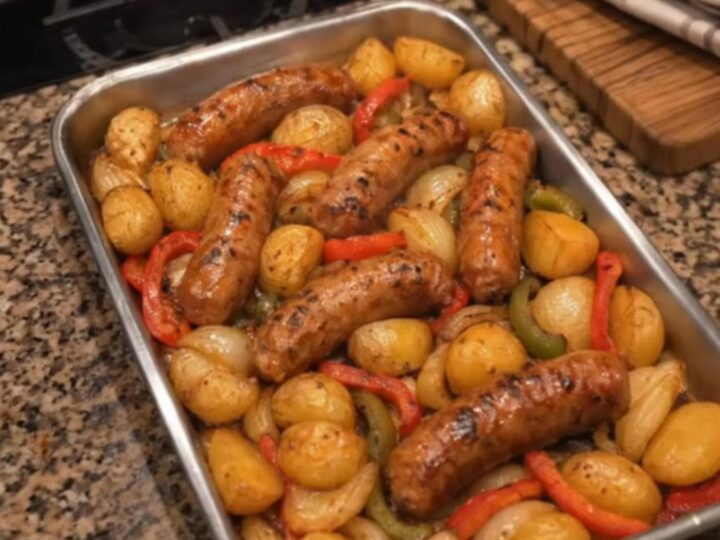
- Prep
- Cook
- Total
- Serves
- 4
Sheet pan cooking is the ultimate solution for busy weeknights when time is short but the desire for a hot, satisfying meal remains high. By combining everything on one tray, flavors meld beautifully while minimizing cleanup to almost nothing.
This method transforms simple, everyday ingredients into a restaurant-quality dinner with minimal effort required from the cook. It is an efficient, reliable way to ensure that dinner is always ready without spending hours in the kitchen standing over the stove.
The beauty of this sheet pan sausage and potato recipe lies in its simplicity and the way it highlights the natural sweetness of roasted vegetables against the savory depth of the sausages. This dish is designed to be straightforward, requiring only basic preparation before the oven does the heavy lifting.
Whether preparing a meal for the family or simply looking for an easy way to enjoy a dinner, this approach delivers consistent results every single time. Follow these steps to achieve perfectly crispy edges and juicy, flavorful meat.
Ingredients
Main Ingredients
- 1 lb fresh sausages
- 1 lb baby potatoes, halved
- 2 bell peppers, sliced
- 1 yellow onion, sliced
Why this recipe works
The sheet pan method works because it uses high, dry heat to roast ingredients, which promotes the Maillard reaction. This chemical process is responsible for the browning and development of complex flavors that occur when proteins and sugars are exposed to high temperatures.
By spreading the ingredients in a single layer, moisture is allowed to evaporate rather than being trapped, which ensures that the potatoes develop a crispy exterior while the sausages stay succulent and flavorful.
Additionally, the juices released by the sausages as they cook drip down onto the potatoes and vegetables, infusing them with savory flavor. This creates a natural sauce that coats the vegetables, eliminating the need for extra fats or complicated seasoning blends.
The controlled environment of the oven ensures even heat distribution, which means you do not have to worry about constantly stirring or flipping components as you would with a stovetop skillet meal, resulting in a stress-free cooking process.
Notes and substitutions
For the best results, use a heavy-duty rimmed baking sheet that can withstand high temperatures without warping. The size of the pan is important; if the pan is too small, the ingredients will crowd each other and steam instead of roasting, which prevents the desired browning. If you are doubling the recipe, it is better to use two separate baking sheets on different oven racks rather than cramming everything onto one tray, rotating the pans halfway through for even cooking.
When choosing sausages, opt for high-quality fresh links that have a good fat content, as this fat is essential for basting the vegetables. Pre-cooked sausages can be used if preferred, but they will not release as much flavorful fat and may dry out faster in the oven. If you choose to use pre-cooked varieties, reduce the roasting time to ensure they only heat through without losing their texture. Always check that the meat is fully cooked before serving to ensure safety.
- baby potatoes: Yukon gold potatoes cut into 1-inch chunks
- yellow onion: red onion for a slightly sweeter flavor
Equipment
- rimmed baking sheet
- chef knife
- cutting board
- tongs
Up next · Part 2 of 3
3 steps · 35 min of cooking · what to look for at each stage
Step-by-step instructions (Part 2)