Dinner · Part 2 of 3: Instructions
Sesame Crusted Ahi Tuna with Ginger Soy Glaze Step-by-step instructions
- Prep
- Cook
- Total
- Serves
- 2
Before you start
Before you start, make sure the tuna steaks are patted completely dry with paper towels. This helps the sesame seeds adhere better. Grate the daikon and ginger and set them aside in a bowl.
Combine the soy sauce, mirin, and ginger soy glaze in a small bowl and set aside. Have your serving plates ready. Preheat a large skillet over high heat for at least 2 minutes so it's thoroughly hot. The key to a perfect sear is a smoking-hot pan and dry fish.
Ingredients at a glance (9)
- 2 steaks ahi tuna (about 6 oz each)
- 1/4 cup black sesame seeds
- 1/4 cup white sesame seeds
- 1 small daikon radish, peeled
- 1 inch fresh ginger root, peeled
- 1/4 cup soy sauce
- 2 tbsp mirin
- 1/4 cup ginger soy glaze (store-bought or homemade)
- 2 tbsp spicy mayo
Instructions
Preparation and Coating
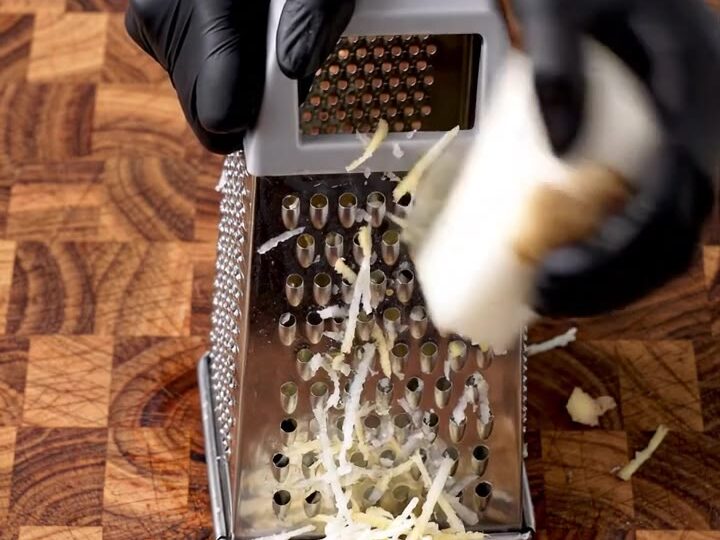
- Prepare the Tuna and GarnishesPat the ahi tuna steaks dry with paper towels. On a plate, combine the black and white sesame seeds. Press each tuna steak into the seeds, coating all sides evenly. Grate the peeled daikon radish and the ginger root using a box grater. Set the grated daikon and ginger aside in a bowl.Look for The tuna steaks are fully coated with sesame seeds, and the daikon and ginger are grated into a fluffy pile.Tip Use a firm daikon for easier grating and a crisp texture.
- Mix the GlazeIn a small bowl, combine the soy sauce, mirin, and the ginger soy glaze. Stir to blend. Set aside.Look for The glaze is a smooth, dark liquid.Tip Taste the glaze and adjust with a little sugar if you prefer it sweeter.
At this stage, you should have the tuna steaks evenly coated with sesame seeds and the grated daikon and ginger ready in a bowl. The glaze is mixed and waiting. The kitchen smells of fresh ginger and soy. The tuna looks like a beautiful mosaic of black and white seeds, and the daikon is fluffy and white. Everything is prepped, and you're ready to heat the pan.
Searing and Glazing
- Sear the TunaHeat a large skillet over high heat until smoking hot. Add the sesame-crusted tuna steaks to the dry skillet. Sear for 30 seconds per side, using tongs to turn them carefully. The goal is a browned crust with a rare center.Look for The sesame seeds turn golden and fragrant, and the tuna feels firm but springy when pressed.Safe temperature 145°F (63°C) internal temperature (fish)Tip Do not move the tuna while searing; let the crust form.
- Glaze the TunaPour the prepared ginger soy glaze into the hot skillet around the tuna. It will bubble and reduce quickly. Turn the tuna in the glaze for a few seconds to coat.Look for The glaze thickens and coats the tuna with a glossy sheen.Tip Work quickly so the tuna does not overcook.
The skillet is smoking hot, and the tuna hits the pan with a satisfying sizzle. After 30 seconds, you flip it to reveal a golden, toasted crust. The glaze goes in and bubbles furiously, reducing into a glossy syrup that clings to the fish.
The aroma is incredible—toasted sesame, soy, and a hint of sweetness. The tuna looks lacquered and shiny, and you can see the rare center peeking out from the sides.
Slicing and Plating
- Slice and ServeTransfer the tuna to a cutting board and let it rest for 1 minute. Slice against the grain into 1/2-inch thick slices. Arrange on a plate with the grated daikon and ginger. Drizzle with the remaining glaze from the skillet and the spicy mayo. Serve immediately.Look for The slices are ruby red in the center with a dark sesame crust.Tip Use a sharp knife to get clean slices without tearing the crust.
After a brief rest, the tuna is sliced into thick, ruby-red pieces. The contrast between the dark crust and the bright red center is stunning. Arranged on a bed of grated daikon, drizzled with the remaining glaze and spicy mayo, the dish looks like something from a high-end restaurant. The textures are crisp, tender, and creamy, and the flavors are perfectly balanced.
Common mistakes
One common mistake is not heating the skillet enough before adding the tuna. If the pan isn't hot, the sesame seeds will absorb oil and become greasy instead of crisp. Another mistake is overcrowding the pan; if you're cooking more than two steaks, do it in batches.
Moving the tuna too soon can also cause the crust to stick and tear. Finally, don't skip the rest time after searing; it allows the juices to redistribute, ensuring a moist, tender result.
How to tell it’s done
The tuna is done when the sesame crust is deeply golden and toasted, and the interior is still rare and cool in the center. To check, insert an instant-read thermometer into the thickest part of the fish; it should read 145°F (63°C) for medium-rare.
If you prefer your tuna more cooked, you can sear it for a few seconds longer on each side, but be careful not to overcook it, as it will become dry and tough. The fish should feel firm but slightly springy when pressed.
- Fish: 145°F (63°C) in the thickest part
Up next · Part 3 of 3
4 variations · storage & make-ahead · 5 answers · printable card
Tips, FAQ & printable recipe (Part 3)← Back to the ingredients (Part 1)