Dinner · Part 2 of 3: Instructions
Seared Miso Butter Halibut with Shiitake and Bok Choy Step-by-step instructions
- Prep
- Cook
- Total
- Serves
- 2
Before you start
Gather everything before you turn on the heat, because the basting stage moves quickly. Take the butter out of the refrigerator about 20 minutes ahead so it softens to a spreadable texture. Pat the halibut fillets dry on both sides with paper towels, then score the flesh with shallow diagonal cuts, about 1/4 inch deep, using a long chef's knife on a wooden cutting board.
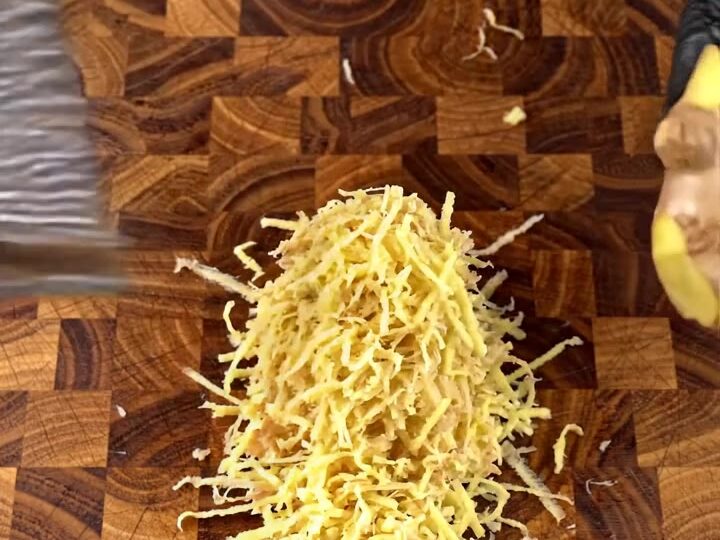
Season the fish with kosher salt and black pepper. Halve the shiitake caps, halve the bok choy lengthwise, and slice the scallions thinly. Grate the fresh ginger on a fine box grater and gather the pale pulp. Toast the sesame seeds in a dry pan until fragrant, then set them aside. Mix the softened butter, miso paste and ginger pulp into a smooth compound butter, and keep it at hand near the stove.
Ingredients at a glance (11)
- 2 thick halibut fillets, about 6 oz each, skin removed
- 1/2 tsp kosher salt, for seasoning the fish
- black pepper, freshly ground, to taste
- 1 tbsp neutral oil, such as canola or grapeseed
- 4 oz fresh shiitake mushrooms, stems removed and caps halved
- 2 baby bok choy, halved lengthwise
- 3 tbsp unsalted butter, softened
- 1 tbsp white miso paste
- 1 tsp finely grated fresh ginger, pulp gathered from the box grater
- 2 scallions, thinly sliced
- 1 tbsp toasted sesame seeds
Instructions
Seared and seasoned fillets
- Prepare the halibut and mushroomsPat the halibut fillets dry with paper towels. Score the flesh with shallow diagonal cuts, about 1/4 inch deep, then season both sides with kosher salt and black pepper. Halve the shiitake caps and halve the bok choy lengthwise.Look for Fish surface looks dry and matte, with neat shallow diagonal lines across the flesh.Tip Dry fish sears; damp fish steams. Give the surface a second pat after scoring.
- Make the miso ginger butterGrate the fresh ginger on the fine side of a box grater. Gather the pale pulp and mix it into the softened butter with the miso paste until the mixture is smooth and evenly colored.Look for The butter turns a uniform pale tan, with no streaks of miso or ginger.Tip Soften the butter at room temperature for 20 minutes so it blends without lumps.
After the first phase, the halibut should have a dry, evenly golden surface with a crisp, lightly browned edge. The fish should release from the pan without tearing when you nudge it with tongs, which means the crust is set. The shiitake and bok choy should be ready in the pan beside the fish, with the mushrooms just starting to brown at their edges.
Before turning the fillets, check that the scored side has colored evenly and that the pan still sizzles strongly. If the fish sticks, wait another 30 seconds before trying again, because a properly formed crust lifts cleanly.
Mushrooms browned in fat
- Sear the halibut until goldenHeat the oil in the cast iron skillet over medium-high heat until it shimmers. Lay the fillets in the pan, scored side down, and sear undisturbed for 4 to 5 minutes until the surface is golden and lightly crisped.Look for Edges turn golden and the fish releases easily from the pan when nudged.Tip Do not move the fillets while they sear, or the crust will tear.
- Brown the shiitake and bok choyTurn the fillets and tuck the shiitake caps and bok choy halves around them. Let the mushrooms brown in the rendered fat for 3 to 4 minutes, turning them once, until they are deep golden at the edges.Look for Mushrooms shrink and show brown, caramelized edges in the rendered fat.Tip Add a splash more oil if the pan looks dry before the mushrooms go in.
- Baste the fish in miso butterLower the heat to medium and add the miso butter to the pan. Spoon the melted butter continuously over the fish and vegetables for 3 to 4 minutes, until the butter foams and the flesh turns opaque and flakes easily.Look for Butter foams and bubbles, and the fish turns white and opaque through its thickest part.Safe temperature 145°F (63°C) internal temperature (fish)Tip Tilt the pan slightly so the butter pools and you can spoon it constantly.
At the end of the second phase, the shiitake caps should be shrunken, deep golden and tender, with caramelized edges and a rich mushroom smell. The bok choy halves should be softened at the stems and lightly browned on the cut faces. The fillets should be turned and resting in a bed of rendered fat, with the flesh still firm and mostly translucent at the center. Check that the pan has enough fat to glaze the food, adding a small splash of oil if it looks dry. Lower the heat before adding the miso butter, so the butter foams without scorching or turning dark and bitter.
Miso butter basted to opaque
- Glaze, plate and garnishLift each glazed fillet with tongs onto a warm serving plate. Arrange the mushrooms and bok choy beside it, spoon over any remaining butter from the pan, then scatter the sliced scallions and toasted sesame seeds on top.Look for The glaze is glossy and the fish holds its flakes when lifted.Tip Serve right away while the fish is still hot and the crust is crisp.
By the end of the final cooking phase, the miso butter should be fully melted, foaming gently and coating every surface of the fish and vegetables in a glossy, golden glaze. The fillets should be opaque from edge to center, and the thickest part should flake easily when pressed with a fork. Check the center of the thickest fillet with an instant-read thermometer, which should reach 145°F (63°C). If the flesh is still translucent in the middle, keep basting for another minute, then check again before serving.
Common mistakes
The most common mistake is cooking the fish over heat that is too low, which turns the flesh pale and soft rather than crisp. Preheat the skillet properly and wait for the oil to shimmer before adding the fillets. Another frequent problem is moving the fish too early. The crust forms only when the fillets rest undisturbed, so resist the urge to shift them until they release easily.
Be careful with the miso butter as well. Adding it to a screaming hot pan makes the milk solids burn and the miso taste bitter, so lower the heat first. Finally, avoid crowding the pan. If the mushrooms are piled too thickly, they steam instead of browning, and the glaze will not coat them well. Cook them in a single layer whenever possible.
How to tell it’s done
Halibut is done when the thickest part of the fillet is opaque white all the way through and flakes easily when pressed gently with a fork. For a precise check, insert an instant-read thermometer into the thickest part of the fish. It should register at least 145°F (63°C). The surface should look golden and lightly crisped, and the flesh should look moist rather than dry or chalky.
Shiitake mushrooms are done when they are tender, deeply browned at the edges and have shrunk noticeably in size. Bok choy is ready when the stems are tender and the leaves are just wilted. Once the fish reaches the safe temperature, remove it from the heat immediately, because residual heat will keep cooking the center slightly as it rests.
- Fish: 145°F (63°C) in the thickest part
Up next · Part 3 of 3
4 variations · storage & make-ahead · 5 answers · printable card
Tips, FAQ & printable recipe (Part 3)← Back to the ingredients (Part 1)