Dinner · Part 1 of 3: Ingredients
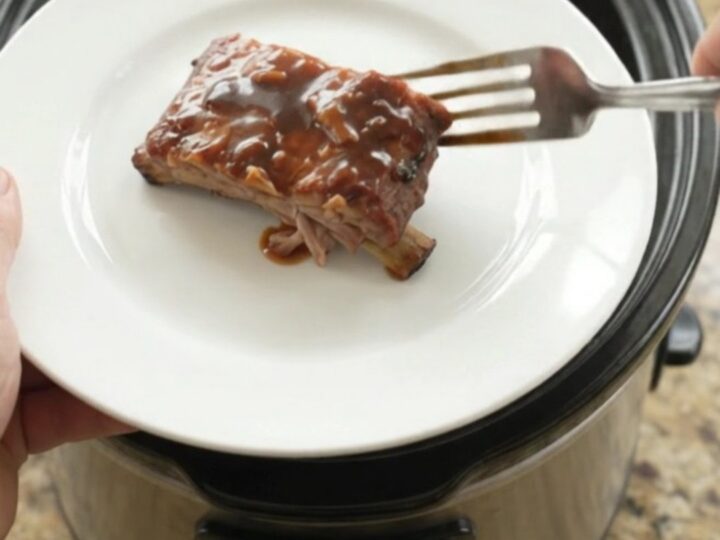
Root Beer Molasses Spare Ribs: Easy Slow Cooker
- Prep
- Cook
- Total
- Serves
- 6
This slow cooker spare ribs recipe turns just four ingredients into a deeply savory, sweet, and tangy dinner that tastes like it simmered all day—because it did. The combination of root beer, sweet onions, and molasses garlic glaze creates a rich, glossy sauce that clings to every rib.
With only 10 minutes of prep, this is the ultimate dump-and-go meal for busy weeknights or game day gatherings. The result is fall-apart tender pork with a caramelized, sticky finish that will have everyone asking for the recipe.
Root beer might seem like an unexpected ingredient for savory ribs, but its sweetness and subtle spice are perfect for braising. As the ribs cook low and slow, the root beer mellows into a syrupy glaze, while the molasses garlic BBQ sauce adds depth and a hint of smokiness.
The sweet onions break down into soft, jammy strands that soak up all the juices. This recipe is incredibly forgiving: just layer everything in the crockpot, walk away, and come back to a meal that looks and tastes like you worked all day.
Ingredients
- 4 lb St. Louis style pork spare ribs
- 2 cups root beer
- 1 medium sweet onion, diced
- 1 cup molasses garlic BBQ glaze
Why this recipe works
The slow cooker is the ideal tool for spare ribs because it provides gentle, moist heat that breaks down the collagen in the meat over time. This transforms tough cuts into fork-tender bites.
Cooking on low for 8 to 10 hours allows the connective tissue to melt, giving you that signature fall-off-the-bone texture. The liquid from the root beer and glaze creates a braising environment that keeps the ribs moist and infuses them with flavor.
The combination of root beer and molasses garlic glaze is a sweet-savory powerhouse. Root beer brings a complex blend of vanilla, sassafras, and wintergreen, which pairs beautifully with pork. The molasses adds a deep, earthy sweetness, while the garlic provides a savory counterpoint. As the sauce reduces, it thickens and clings to the ribs, creating a lacquered finish that is both beautiful and delicious.
Notes and substitutions
St. Louis style spare ribs are cut from the belly and are meatier and more rectangular than baby back ribs, making them ideal for slow cooking. They have a good amount of fat that renders during cooking, keeping the meat juicy. If you can only find full spare ribs, you can trim them yourself or ask your butcher to trim them. The cooking time may need a slight adjustment if the ribs are larger or smaller.
Root beer comes in many varieties; choose a full-flavored one for best results. Avoid diet or low-calorie versions, as they may not provide the same sweetness and body.
The molasses garlic BBQ glaze is a store-bought shortcut, but you can make your own by combining molasses, ketchup, garlic, and a splash of Worcestershire sauce. The onions should be sweet, like Vidalia or Walla Walla, to complement the sweetness of the sauce.
- root beer: Use a non-alcoholic root beer or a ginger ale for a slightly different spice profile.
- molasses garlic BBQ glaze: Combine 1/2 cup molasses, 1/2 cup ketchup, 2 minced garlic cloves, and 1 tbsp Worcestershire sauce as a substitute.
- St. Louis style spare ribs: Baby back ribs work too; reduce cooking time by about 2 hours.
- sweet onion: Yellow or Vidalia onions can be used; they add a similar mild sweetness.
Equipment
- 6-quart slow cooker
- Cutting board
- Chef's knife
- Measuring cups
- Tongs or carving fork
Up next · Part 2 of 3
4 steps · 8 h of cooking · what to look for at each stage
Step-by-step instructions (Part 2)