Dinner · Part 2 of 3: Instructions
Roasted Vegetable and Burrata Pasta for a Comforting Dinner Step-by-step instructions
- Prep
- Cook
- Total
- Serves
- 4
Before you start
Before you begin, organize your workspace by washing all vegetables thoroughly. Peel the garlic cloves and dice the eggplant and zucchini into uniform pieces to ensure they roast evenly. Preheat your oven to 400°F and prepare a large baking sheet with parchment paper if desired for easier cleanup.
Have your blender ready on the counter and fill a large pot with water for the pasta. Pre-measuring your ingredients such as the olive oil and parmesan will make the cooking process much smoother and more efficient.
Ingredients at a glance (13)
- 2 lbs Roma tomatoes, halved
- 1 medium eggplant, diced
- 2 medium zucchini, diced
- 6 cloves garlic, peeled
- 1 large red onion, chopped
- 1/4 cup olive oil
- 1 tbsp balsamic vinegar
- 1 tsp dried oregano
- 1 tsp kosher salt
- 1/2 cup fresh basil leaves
- 1/2 cup grated parmesan cheese
- 1 lb fettuccine pasta
- 2 balls fresh burrata cheese
Instructions
Roasting the vegetables
- Roast the vegetablesPreheat the oven to 400°F. Place the tomatoes, eggplant, zucchini, garlic, and red onions on a large baking sheet. Drizzle with olive oil, balsamic vinegar, and sprinkle with oregano and salt. Toss well to coat evenly. Roast in the preheated oven for 25 to 30 minutes, or until the vegetables are soft and deeply caramelized.Look for Vegetables should look charred and soft.Tip Ensure the vegetables are in a single layer for even roasting.
The kitchen should be filled with the sweet, savory aroma of caramelized vegetables and roasted garlic. Check that the tomatoes have collapsed and the eggplant and zucchini are golden brown at the edges.
The vegetables should be very tender and easily pierced with a fork before they are removed from the oven to be blended.
Blending the sauce
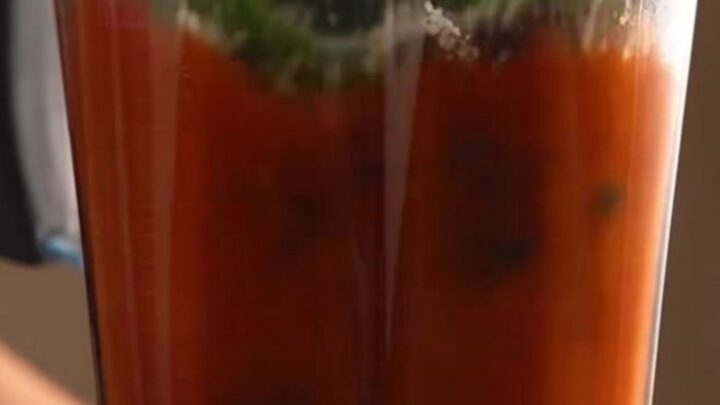
- Prepare the rustic sauceTransfer the roasted vegetables into a blender. Add the fresh basil and parmesan cheese. Pulse until the mixture is smooth but maintains a slightly rustic texture. Pour the blended sauce into a large, warm skillet over low heat to keep it bubbling gently while the pasta cooks.Look for Sauce should be vibrant and thick.Tip If the sauce is too thick, add a tablespoon of water to loosen it.
The sauce should be a vibrant, thick mixture that coats the back of a spoon. It should look rich and smell intensely of fresh basil and toasted garlic. Ensure the parmesan is fully incorporated into the mixture so the texture is uniform. Keep the sauce warm in the skillet on low heat while you boil the pasta.
Tossing and serving
- Toss and serveCook the fettuccine in a large pot of salted boiling water until al dente. Reserve half a cup of the starchy pasta water. Drain the pasta and add it directly into the skillet with the sauce. Pour in the reserved pasta water and toss continuously over medium-low heat until the noodles are glossy and fully coated. Serve immediately in bowls, topping each portion with torn burrata and a drizzle of olive oil.Look for Pasta should be glossy and well-coated.Tip Tear the burrata gently so the cream pools nicely into the hot pasta.
The pasta is ready when it is perfectly coated in the sauce, with no excess liquid pooling at the bottom of the skillet. The noodles should look shiny and feel velvety. Once the burrata is torn over the top, the dish should be served immediately while the pasta is still steaming hot so the cheese can soften appropriately.
Common mistakes
A common mistake is overcrowding the baking sheet, which causes the vegetables to steam rather than roast. Ensure they are spaced out so they can caramelize properly. Another error is overcooking the pasta; since it will be tossed in the hot sauce, cook it slightly less than the package instructions indicate for al dente.
Finally, avoid blending the sauce at too high a speed for too long, as this can turn it into a thin soup; pulse it instead to maintain a pleasant, slightly rustic texture.
How to tell it’s done
The dish is ready when the fettuccine is cooked to an al dente texture, meaning it retains a slight bite. The sauce should be heated through and bubbling gently before the pasta is added. When you toss the pasta, the sauce should cling to the strands, appearing glossy rather than dry.
If the sauce seems too thick, add a small amount of the reserved pasta water, one tablespoon at a time, until the desired consistency is reached. The burrata is ready when it is torn and served, allowing its cream to melt slightly into the heat of the pasta.
Up next · Part 3 of 3
2 variations · storage & make-ahead · 3 answers · printable card
Tips, FAQ & printable recipe (Part 3)← Back to the ingredients (Part 1)