Appetizers · Part 3 of 3: Tips & recipe card
Blistered Grape and Whipped Feta Focaccia Tips, FAQ & printable recipe

- Prep
- Cook
- Total
- Serves
- 8
Tips for success
For the best texture, use bread flour if you have it—the higher protein content gives more chew. If you only have all-purpose, that's fine, but don't over-knead.
Let the dough rise in a warm, draft-free spot, like an oven with the light on. If your kitchen is cool, the rise may take longer; be patient.
When dimpling the dough, use your fingertips and press firmly but gently, creating deep wells. The oil should pool in the dimples, creating crispy, golden pockets.
Don't be afraid to use a generous amount of olive oil—it's what makes focaccia luxurious. For an extra-crisp bottom, place the pan on the lowest oven rack.
Variations
- Rosemary and Sea Salt: Omit the grapes and feta. Dimple the dough, then sprinkle with fresh rosemary leaves and flaky sea salt. Bake as directed. Serve with olive oil for dipping. This is a classic savory focaccia that pairs with any meal.
- Caramelized Onion and Blue Cheese: Instead of grapes, top the dough with caramelized onions and crumbled blue cheese before baking. The onions add sweetness, and the blue cheese melts into the crevices. Drizzle with honey after baking for a sweet-savory finish.
- Peach and Burrata: In summer, swap the grapes for sliced fresh peaches and add burrata instead of whipped feta. Bake the focaccia with the peaches, then top with torn burrata and a drizzle of balsamic glaze. Serve immediately.
- Spicy Soppressata and Hot Honey: For a meaty version, add thin slices of spicy soppressata over the dough before baking. After baking, top with whipped feta and hot honey. The spicy salami and sweet honey are a match made in heaven.
Storage and make-ahead
- Fridge
- Store leftover focaccia in the refrigerator for up to 3 days if topped with whipped feta. Wrap tightly in foil or plastic wrap.
- Freezer
- Freeze unbaked or baked focaccia (without toppings) for up to 3 months. Thaw overnight in the refrigerator, then reheat in a 350°F (175°C) oven for 10 minutes.
- Reheat
- Reheat individual slices in a toaster or oven at 350°F (175°C) for 5–7 minutes until warm and crispy.
Store leftover focaccia in an airtight container at room temperature for up to 2 days. The crust will soften slightly, but it's still delicious.
To re-crisp, place it in a 350°F (175°C) oven for 5–7 minutes. If you've already topped it with feta and honey, store in the refrigerator for up to 1 day, but the bread will lose its crispness.
You can make the focaccia dough up to 24 hours in advance: after the first rise, punch it down, cover tightly, and refrigerate.
The next day, let it come to room temperature for about 30 minutes before proceeding with the pan and second rise. The whipped feta can be made up to 3 days ahead and stored in the refrigerator—bring to room temperature before serving.
Serving ideas
Serve this focaccia warm, cut into squares or wedges, as an appetizer or alongside a salad or soup. The contrast of warm bread, cool whipped feta, and sticky-sweet honey is best enjoyed immediately. It also makes a fantastic brunch centerpiece or party snack—just set it out and let guests tear off pieces.
For a more substantial meal, top the focaccia with a handful of arugula or prosciutto before serving. The peppery greens and salty meat complement the sweet grapes and creamy feta. You can also add a sprinkle of flaky sea salt before baking to enhance the flavors. Pair with a crisp white wine or sparkling water.
Frequently asked questions
Can this focaccia be made gluten-free?
Why did your grapes sink to the bottom?
Can you use frozen grapes?
How do you make hot honey at home?
Can this be made without a stand mixer?
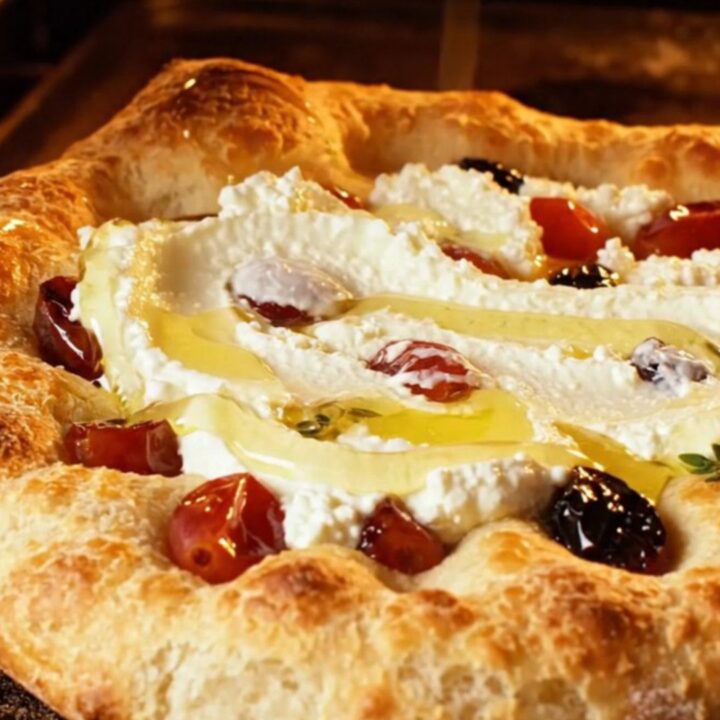
Blistered Grape and Whipped Feta Focaccia
Ingredients
- 4 cups all-purpose flour
- 2 1/4 tsp active dry yeast
- 1 1/2 cups warm water (110°F/43°C)
- 2 tsp kosher salt
- 1/2 cup extra-virgin olive oil, divided
- 2 cups red seedless grapes
- 2 tbsp fresh thyme leaves, plus more for serving
- 8 oz feta cheese, crumbled
- 1 lemon, zested and juiced
- 1/4 cup hot honey
Instructions
- In a small bowl, combine the warm water and yeast. Let stand until foamy, about 5 minutes. In a large bowl or stand mixer, whisk together the flour and salt. Add the yeast mixture and 1/4 cup of the olive oil. Stir until a shaggy dough forms. Knead with a dough hook or by hand on a floured surface for 8–10 minutes, until smooth and elastic. Place the dough in a lightly oiled bowl, cover, and let rise in a warm spot until doubled, about 1 hour.
- Pour the remaining 1/4 cup olive oil into the 9x13-inch baking pan and tilt to coat the bottom and sides. Transfer the risen dough to the pan and gently stretch it to fit. If it resists, let it rest for 10 minutes before stretching again. Cover and let rise for 30 minutes more.
- Preheat the oven to 450°F (232°C). Use your fingertips to press deep dimples all over the dough. Scatter the red grapes evenly over the surface, pressing them gently into the dough. Sprinkle with the fresh thyme leaves. Drizzle with a little more olive oil if desired.
- Bake the focaccia in the preheated oven for 22 minutes, until the crust is deep golden brown and the grapes are blistered and caramelized. The cheese (if using) should be blistered in spots. Remove from the oven and let cool in the pan for 5 minutes.
- While the focaccia bakes, combine the crumbled feta, lemon zest, and lemon juice in a food processor. Blend until smooth and creamy, scraping down the sides as needed. If the mixture is too thick, add a tablespoon of olive oil or water. Set aside.
- Spread the whipped feta over the warm focaccia in a swirl pattern. Drizzle generously with hot honey. Sprinkle with additional fresh thyme leaves if desired. Cut into squares and serve warm.
Estimated nutrition per serving
- Calories
- 420
- Protein
- 9 g
- Carbohydrates
- 55 g
- Fat
- 18 g
Next recipe
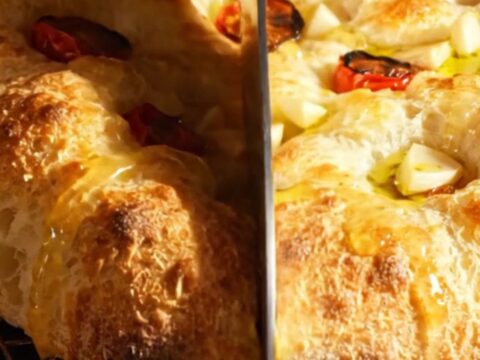
Roasted Garlic Confit and Cherry Tomato Focaccia
See the recipe → →This recipe is based on a short cooking video and is published under the pen name Clara Weller. It was checked before publication, but errors can slip through. Nutrition, when shown, is an estimate. Read more in our editorial policy and on our food safety page.
More recipes to try

Easy Cheesy Pepperoni Pull-Apart Bread
Total time: 50 min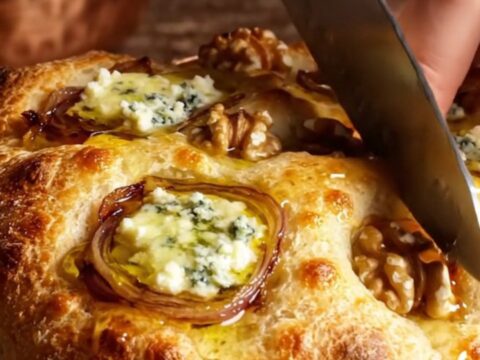
Caramelized Onion Gorgonzola Walnut Focaccia
Total time: 42 min
Crispy Cheese-Filled Focaccia di Recco
Total time: 58 min
Crispy Jalapeño Cheddar and Bacon Cast-Iron Focaccia
Total time: 40 min
Spicy Nduja Pizza Pinwheels with Honey
Total time: 35 min