Breakfast · Part 1 of 3: Ingredients
Quick Turkish Dill and Feta Poğaça: Golden, Flaky, 30-Minute Buns
- Prep
- Cook
- Total
- Serves
- 12
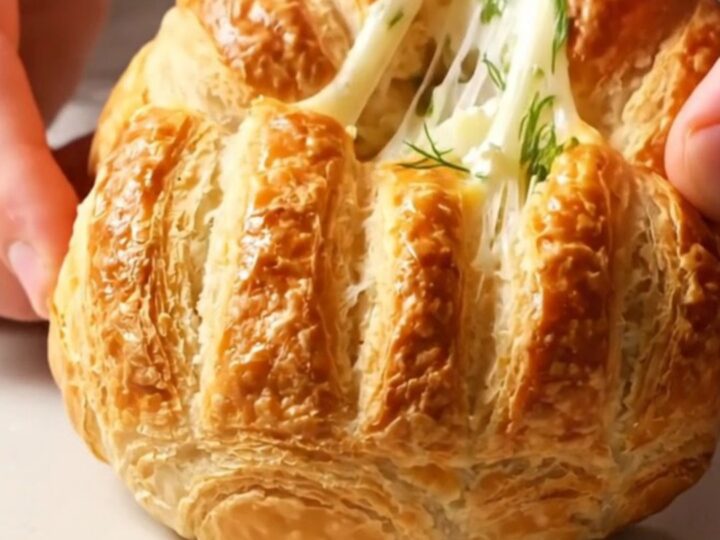
Golden, flaky, and bursting with fresh dill and creamy feta, these quick Turkish poğaça buns are the savory pastry you'll want on repeat. Made with simple pantry staples, they come together in about 30 minutes from start to finish.
The dough is soft and tender, with a glossy egg-washed crust that cracks beautifully as it bakes. Whether you serve them for breakfast, brunch, or as an afternoon snack, these buns are sure to disappear fast. Break one open while it's warm and watch the steam rise—pure comfort.
Poğaça is a beloved Turkish pastry, often enjoyed with tea or as a portable snack. This version gets a fresh twist with generous handfuls of dill and crumbled feta folded right into the dough. The result is a tender, flaky bun with a golden, egg-washed top and a savory, herbaceous interior.
What makes this recipe truly quick is the use of baking powder instead of yeast—no rising time needed. In less time than it takes to run to the bakery, you can have a batch of warm, aromatic buns cooling on your counter. Perfect for weekend mornings or impromptu gatherings.
Ingredients
- 3 cups all-purpose flour
- 1 tbsp baking powder
- 1/2 tsp salt
- 1 tsp sugar
- 1/2 cup plain yogurt
- 1/2 cup vegetable oil
- 1/2 cup fresh dill, chopped
- 1 cup crumbled feta cheese
- 1 egg yolk
- 1 tbsp water
Why this recipe works
The combination of yogurt and oil in the dough creates a remarkably tender crumb. Yogurt adds moisture and a slight tang, while oil keeps the buns soft and rich without the need for butter. This duo also helps the buns stay fresh longer, making them ideal for make-ahead snacks. The baking powder provides the lift, giving the buns a light, airy texture that contrasts beautifully with the dense, savory fillings.
Feta cheese melts into creamy pockets throughout the dough, while fresh dill infuses every bite with a bright, aromatic flavor. The egg wash on top is more than just for looks—it creates a glossy, golden crust that seals in moisture and adds a subtle richness.
Scoring the tops with a fork not only gives the buns their classic appearance but also creates ridges that catch the light and make the finished pastries look even more inviting.
Notes and substitutions
For the best flavor, use full-fat plain yogurt and a good-quality feta that crumbles easily. Fresh dill is essential here—dried dill won't provide the same vibrant taste or texture. If you don't have dill, you can substitute fresh parsley or chives, though the flavor will differ. The dough should be soft but not sticky; if it feels too wet, add a little extra flour, a tablespoon at a time.
A kitchen scale can help ensure even buns, but eyeballing works fine. The egg wash can be made with just the yolk for a deeper color, or use a whole egg for a slightly lighter finish.
If you prefer a less rich crust, you can skip the egg wash and brush the buns with milk instead—though the golden shine won't be as pronounced. These buns are best enjoyed the day they're made, but they also freeze well.
- fresh dill: Use 2 tablespoons dried dill, or substitute fresh parsley or chives for a different herb note.
- plain yogurt: Greek yogurt works well; it will make the dough slightly richer. You can also use buttermilk or kefir.
- vegetable oil: Melted butter or olive oil can replace the vegetable oil for a different flavor profile.
- feta cheese: For a milder taste, use ricotta salata or crumbled goat cheese. Reduce salt if using a salty substitute.
Equipment
- Large mixing bowl
- Whisk
- Wooden spoon or spatula
- Baking sheet
- Parchment paper
- Pastry brush
- Fork
Up next · Part 2 of 3
7 steps · 20 min of cooking · what to look for at each stage
Step-by-step instructions (Part 2)