Dinner · Part 2 of 3: Instructions
Quick Garlic Butter Shrimp in a Cast Iron Skillet Step-by-step instructions
- Prep
- Cook
- Total
- Serves
- 4
Before you start
Before you turn on the heat, ensure all your ingredients are prepped and ready next to the stove. This is a fast-paced recipe that cooks in under five minutes, leaving no time to mince garlic or squeeze lemons once the skillet is hot.
Peel and devein the shrimp, keeping the tails on for an elegant presentation if desired. Pat the shrimp completely dry with paper towels, mince the garlic finely, chop the fresh parsley, and measure out your butter, red pepper flakes, and lemon juice.
Ingredients at a glance (6)
- 1 1/2 lb jumbo shrimp, peeled and deveined
- 4 tbsp unsalted butter
- 4 cloves garlic, minced
- 1/4 tsp red pepper flakes
- 1 tbsp fresh lemon juice
- 2 tbsp chopped fresh parsley
Instructions
Melt and Infuse the Aromatics
- Melt and Infuse the ButterMelt the butter in a 10-inch cast iron skillet over medium heat. Once the butter is completely melted and starts to foam, add the minced garlic and red pepper flakes.Look for The garlic becomes fragrant and turns a pale golden color without browning, about 1 minute.Tip Keep a close eye on the garlic to prevent it from burning, which makes it bitter.
At the end of this initial phase, the kitchen should be filled with the rich aroma of toasted garlic and warm spices. The butter will be completely melted, foaming gently in the skillet with a light golden hue.
The minced garlic should look softened and translucent but not browned or dark. It is crucial to proceed immediately to the next phase as soon as you smell the garlic to prevent it from burning.
Sear and Flip the Jumbo Shrimp
- Sear the First SideAdd the jumbo shrimp to the skillet in a single layer. Sear them undisturbed for 2 minutes on the first side until a golden-pink crust forms.Look for The bottom edges of the shrimp turn opaque and pink.Tip Pat the shrimp dry with paper towels before adding them to ensure a proper sear.
- Flip and Cook ThroughFlip the shrimp over to sear the second side. Cook for another 1 to 2 minutes until they are opaque throughout and have reached a safe internal temperature of 145°F (63°C).Look for The shrimp curl slightly and turn fully opaque and pink.Safe temperature 145°F (63°C) internal temperature (shellfish)Tip Do not overcook the shrimp, or they will become rubbery and tough.
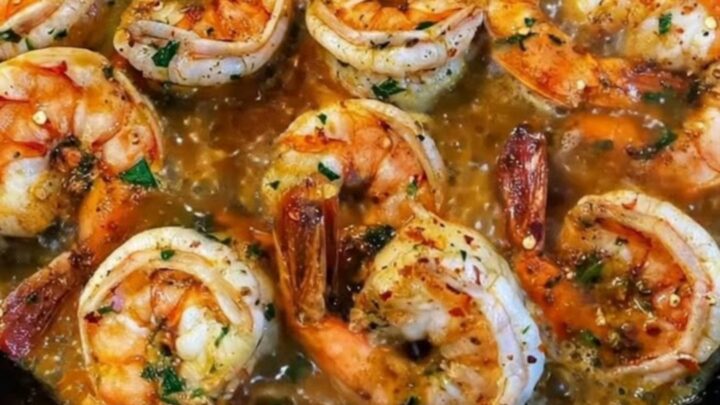
By the end of the searing phase, the shrimp will have transformed from translucent grey to a beautiful opaque pink. They should display a distinct, lightly caramelized golden-pink crust on both sides where they made contact with the hot cast iron. The skillet will be sizzling dynamically, and the shrimp will curl slightly into a loose 'C' shape, indicating they are fully cooked through.
Finish with Lemon and Herbs
- Finish and GarnishPour the fresh lemon juice over the simmering shrimp and butter sauce, stirring gently to combine. Remove the skillet from the heat and sprinkle the chopped fresh parsley over the top before serving.Look for The sauce bubbles dynamically and coats the shrimp beautifully.Tip Serve immediately directly from the cast iron skillet to keep the dish hot.
In this final phase, the fresh lemon juice hits the hot skillet, causing a sudden burst of steam and creating a beautifully emulsified, bubbling sauce. The chopped fresh parsley adds a vibrant green speckling across the pink shrimp and golden butter. The dish is complete when the sauce has thickened slightly and coats the shrimp in a glossy, rich glaze.
Common mistakes
The most common mistake is crowding the skillet with too many shrimp at once, which lowers the pan's temperature and causes the seafood to steam in its own juices rather than sear. If your skillet is small, cook the shrimp in two separate batches.
Another frequent error is letting the garlic burn in the hot butter; garlic cooks very quickly and can turn bitter in seconds, so keep the heat at a steady medium and add the shrimp promptly.
How to tell it’s done
Shrimp cook incredibly fast and can go from tender to rubbery in a matter of seconds. They are perfectly done when they turn opaque throughout, display a bright pink exterior, and curl into a gentle 'C' shape.
For absolute certainty, use an instant-read digital thermometer inserted into the thickest part of the shrimp; they are safe to eat when they reach an internal temperature of 145°F (63°C).
- Shellfish: 145°F (63°C) in the thickest part
Up next · Part 3 of 3
2 variations · storage & make-ahead · 3 answers · printable card
Tips, FAQ & printable recipe (Part 3)← Back to the ingredients (Part 1)