Dinner · Part 2 of 3: Instructions
Quick Creamy Garlic Parmesan Chicken Pasta Step-by-step instructions
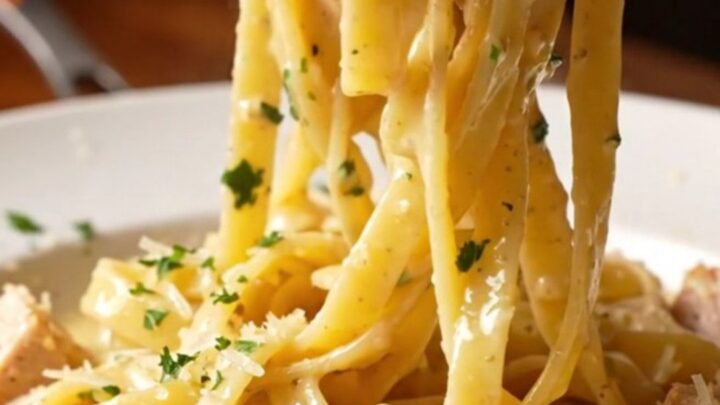
- Prep
- Cook
- Total
- Serves
- 4
Before you start
Before starting, make sure you have all ingredients prepped: cut the chicken into bite-size cubes, mince the garlic, grate the parmesan, and chop the parsley. Measure out the spices and cream.
Bring a large pot of salted water to a boil for the pasta. Have a large skillet ready. The entire dish comes together quickly, so having everything ready ensures a smooth cooking process.
Ingredients at a glance (12)
- 1 lb chicken breast, cut into cubes
- 2 tbsp olive oil
- 1 tsp garlic powder
- 1 tsp paprika
- 1/2 tsp salt
- 1/4 tsp black pepper
- 2 tbsp butter
- 4 cloves garlic, minced
- 1 1/2 cups heavy cream
- 1 cup grated parmesan cheese
- 12 oz fettuccine pasta
- 2 tbsp fresh parsley, chopped
Instructions
Sear and Boil
- Sear the ChickenCut the chicken breast into bite-size cubes. Pat them dry with paper towels. In a large skillet, heat the olive oil over medium-high heat. Add the chicken cubes in a single layer. Sprinkle with garlic powder, paprika, salt, and black pepper. Cook for 5 to 7 minutes, turning occasionally, until the chicken is golden brown and cooked through. The internal temperature should reach 165°F (74°C). Transfer the chicken to a plate and set aside.Look for The chicken is golden brown on the outside and no longer pink inside.Safe temperature 165°F (74°C) internal temperature (poultry)Tip Do not overcrowd the pan; cook in batches if needed to get a good sear.
- Cook the PastaBring a large pot of salted water to a boil. Add the fettuccine and cook according to package instructions until al dente. Reserve about 1/2 cup of pasta water before draining. Drain the pasta and set aside.Look for The pasta is tender but still has a slight bite.Tip Salt the pasta water generously – it seasons the pasta from within.
At the end of this phase, the chicken should be golden brown on the outside, cooked through to 165°F (74°C), and set aside. The pasta should be al dente, drained and waiting.
The skillet should have browned bits from the chicken – these are flavor gold and will be used for the sauce. The kitchen smells of garlic, paprika, and chicken, a promising start.
Creamy Sauce
- Make the Garlic Parmesan Cream SauceIn the same skillet used for the chicken, melt the butter over medium heat. Add the minced garlic and sauté for about 1 minute until fragrant, but not browned. Pour in the heavy cream and bring to a gentle simmer. Gradually whisk in the grated parmesan cheese, stirring constantly until the sauce is smooth and thickened slightly, about 2 to 3 minutes.Look for The sauce is smooth, creamy, and coats the back of a spoon.Tip Keep the heat moderate – high heat can cause the cream to curdle.
- Combine Pasta and SauceAdd the drained fettuccine to the skillet with the sauce. Toss everything together gently with tongs or a wooden spoon, making sure every strand is coated in the creamy garlic parmesan sauce. If the sauce is too thick, add a splash of the reserved pasta water to loosen it to your liking.Look for The pasta is fully coated and the sauce clings to every strand.Tip Toss rather than stir to avoid breaking the pasta.
The sauce should be smooth, thick, and pale golden, with the parmesan fully melted. It should coat the back of a spoon and have a rich, garlicky aroma. The pasta is added and tossed until every strand is coated. The sauce is creamy and luxurious, with no lumps or graininess. The pan sizzles gently as the pasta mixes in.
Finish and Serve
- Add Chicken and FinishReturn the seared chicken to the skillet, nestling it into the sauce and pasta. Cook for 1 to 2 minutes over medium heat, just until the chicken is warmed through. Stir in the chopped fresh parsley. Taste and adjust seasoning with salt and pepper if needed.Look for The chicken is hot and the sauce is bubbling gently.Safe temperature 165°F (74°C) internal temperature (poultry)Tip Letting it sit for a minute before serving helps the flavors meld.
- Serve ImmediatelyServe the creamy garlic parmesan chicken pasta hot, with extra grated parmesan and a sprinkle of parsley on top if desired. Enjoy it right away for the best texture and flavor.Look for The dish is creamy, aromatic, and ready to eat.Tip For a restaurant-style twirl, use tongs to lift and twist the pasta as you plate it.
The chicken is returned to the pan and heated through, the parsley adds a fresh green color, and the sauce is bubbling gently. The dish looks glossy and inviting. The final taste is creamy, garlicky, and savory, with a hint of paprika. The pasta is perfectly coated and the chicken is tender. Serve immediately for the best texture.
Common mistakes
One common mistake is overcooking the garlic – it should be sautéed just until fragrant, not browned, as burnt garlic tastes bitter. Another is using low-quality parmesan or pre-shredded cheese, which can make the sauce gritty.
Avoid boiling the cream too vigorously; a gentle simmer is enough. Also, don't skip seasoning the chicken – the spice rub is what gives the dish its savory depth. Finally, be careful not to overcook the pasta; al dente is ideal because it continues to cook slightly in the sauce.
How to tell it’s done
The dish is done when the chicken is cooked through to 165°F (74°C) and the sauce is thick and creamy, coating the pasta evenly. The pasta should be al dente – tender but with a slight bite. The sauce should cling to the noodles and not be watery.
Taste a strand of pasta and a piece of chicken to ensure the seasoning is to your liking. If the sauce seems too thick, add a little pasta water to loosen it; if too thin, let it simmer a few minutes longer.
- Poultry: 165°F (74°C) in the thickest part
Up next · Part 3 of 3
4 variations · storage & make-ahead · 5 answers · printable card
Tips, FAQ & printable recipe (Part 3)← Back to the ingredients (Part 1)