Desserts · Part 3 of 3: Tips & recipe card
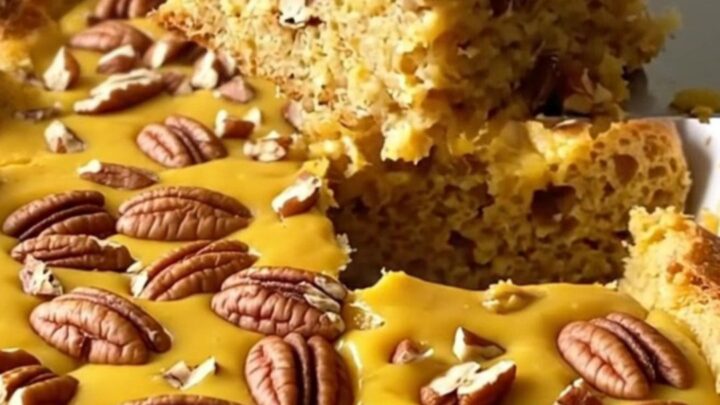
Classic Pumpkin Bread Pudding with Crunchy Pecans Tips, FAQ & printable recipe
- Prep
- Cook
- Total
- Serves
- 8
Tips for success
For a more decadent experience, serve the pudding with a light dusting of confectioners' sugar or a dollop of freshly whipped cream.
The contrast between the warm, spiced pudding and the cold, sweet topping adds another layer of enjoyment to the dessert. Ensure the whipped cream is not overly sweetened to maintain the balance of the dish.
If you find that your oven has hot spots, rotate the baking dish halfway through the cooking process to ensure even browning. This simple adjustment helps achieve a uniform color across the entire top of the pudding. Keep a close eye on the pecans during the last few minutes of baking to ensure they do not become too dark or bitter.
Variations
- Spiced Apple Variation: Add thin slices of peeled apples between the bread cubes for a fruity twist that complements the pumpkin spices perfectly.
- Chocolate Chip Addition: Mix in a handful of semi-sweet chocolate chips with the bread cubes for a richer, more indulgent dessert experience.
Storage and make-ahead
- Fridge
- Keep leftovers in an airtight container in the refrigerator for up to 3 days.
- Freezer
- The pudding can be frozen for up to 1 month. Wrap it tightly in plastic wrap and foil before placing it in the freezer.
- Reheat
- Reheat individual portions in the oven at 300°F until warmed through, or use the microwave for a quicker option.
Store any leftovers in an airtight container to maintain moisture. The pudding can be kept in the refrigerator for up to three days. Before storing, ensure the pudding has cooled completely to room temperature, but do not leave it out for more than two hours after baking to ensure food safety standards are met.
You can assemble the bread and custard mixture up to four hours ahead of time. Keep the assembled dish covered in the refrigerator until you are ready to bake.
If you choose to do this, you may need to add an extra five minutes to the total baking time to account for the colder temperature of the ingredients when they enter the oven.
Serving ideas
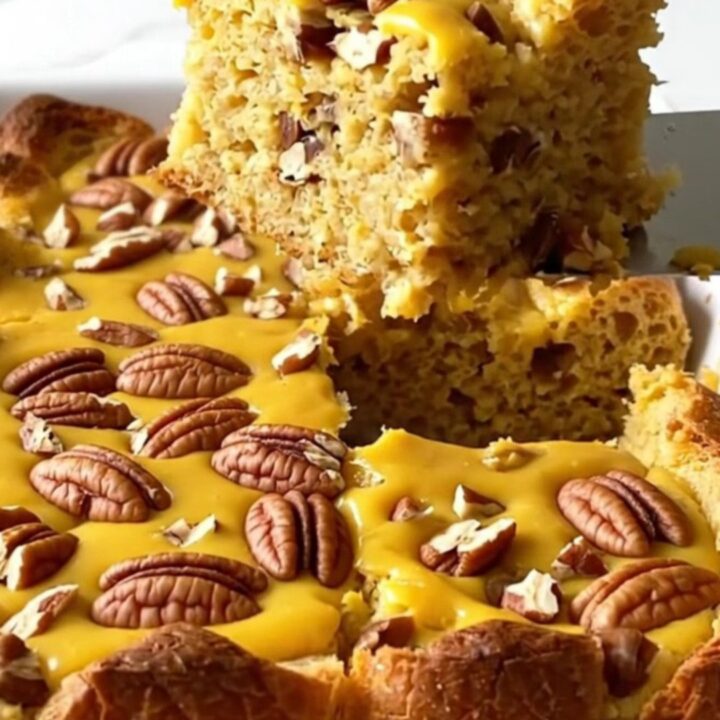
Serve the bread pudding warm, directly from the baking dish. Use a spatula to lift neat squares, ensuring each portion includes a good amount of the toasted pecans.
Placing the squares on individual dessert plates makes for an elegant presentation, especially when paired with a side of vanilla-infused cream or a drizzle of caramel sauce.
This dish is versatile enough to be served as a special breakfast treat or a classic dessert. Its comforting profile makes it an excellent choice for family gatherings or brunch events.
If serving at a large table, you can leave the dish in the center, allowing guests to serve themselves, which encourages a relaxed and communal dining atmosphere.
Frequently asked questions
Can this bread pudding be made with gluten-free bread?
How can the pudding be kept from becoming too soft?
Is it possible to use a different type of nut?
Classic Pumpkin Bread Pudding with Crunchy Pecans
Ingredients
- 8 cups French bread cubes, cut into 1-inch pieces
- 3 cups pumpkin custard mixture
- 1/2 cup chopped pecans
Instructions
- Arrange the French bread cubes evenly inside the large rectangular ceramic baking dish. Ensure the cubes are packed snugly to create a consistent texture throughout the final pudding.
- Slowly pour the pumpkin custard mixture from the measuring cup over the bread cubes, ensuring every piece is thoroughly moistened. Sprinkle the chopped pecans evenly over the top of the dish.
- Place the baking dish into a preheated oven at 350°F (175°C). Bake until the pudding is puffed, golden brown, and the custard reaches an internal temperature of 160°F (71°C) to ensure the eggs are fully set.
Estimated nutrition per serving
- Calories
- 380
- Protein
- 8 g
- Carbohydrates
- 42 g
- Fat
- 20 g
- Fiber
- 3 g
- Sugar
- 18 g
- Sodium
- 350 mg
Next recipe

Easy Halloween Popcorn Bark for Festive Snacking
See the recipe → →This recipe is based on a short cooking video and is published under the pen name Clara Weller. It was checked before publication, but errors can slip through. Nutrition, when shown, is an estimate. Read more in our editorial policy and on our food safety page.
More recipes to try
Easy Chocolate Peanut Butter Oat No-Bake Cookies
Total time: 45 min
Vampire Bite Strawberries: A Quick and Spooky Dessert
Total time: 25 min
Southern Sweet Potato Biscuit Cobbler
Total time: 1 h 10 min
Quick Orange Pumpkin Sandwich Cookies
Total time: 30 min
Cinnamon Roll Peach Cobbler
Total time: 45 min