Dinner · Part 1 of 3: Ingredients
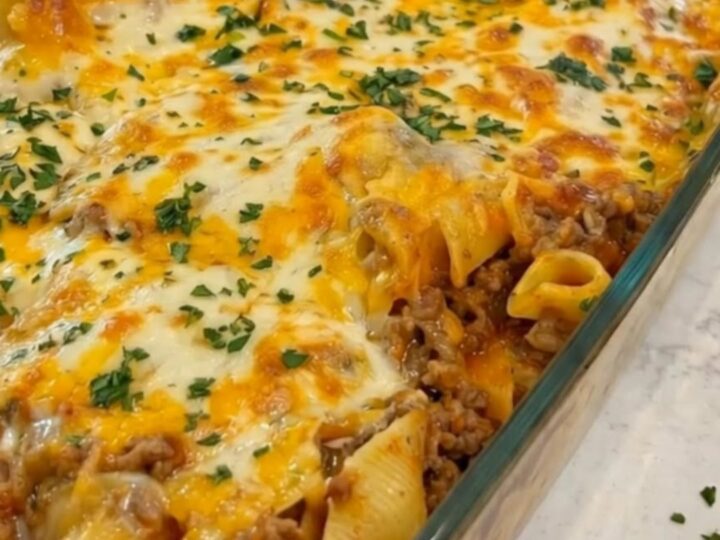
Poor Man’s Husband Casserole with Gooey Cheese
- Prep
- Cook
- Total
- Serves
- 4
Craving a hearty, comforting dinner that satisfies the entire family without any hassle? This easy husband casserole delivers rich, savory layers of seasoned ground beef, a velvety cream cheese base, and a golden crown of bubbling melted cheddar. It is the ultimate budget-friendly comfort food that transforms simple, accessible ingredients into an incredibly satisfying weeknight feast everyone will love.
This classic casserole has earned its place in the family dinner rotation for good reason. By combining a robust meat sauce with a rich, velvety cream cheese layer, it offers a perfect balance of textures and flavors.
The dish is baked until the cheese on top is beautifully browned and gooey, making every spoonful feel like a warm hug. It is simple to prepare, incredibly filling, and perfect for busy weeknights when you need a reliable, crowd-pleasing meal that requires minimal effort.
Ingredients
- 1 1/2 lb ground beef
- 15 oz tomato sauce
- 8 oz cream cheese, softened
- 1 1/2 cups shredded cheddar cheese
- 2 tbsp finely chopped fresh parsley
Why this recipe works
The secret to this casserole lies in the contrasting yet complementary layers. Using softened cream cheese as a base creates a luxurious, rich foundation that stands up beautifully to the robust, savory ground beef and tomato sauce layer above it.
This ensures that every single bite is perfectly balanced, moist, and packed with deep comfort food flavors. The cream cheese melts slightly during baking, blending with the meat sauce to create an incredibly decadent texture that keeps the beef perfectly juicy and flavorful throughout the entire baking process.
Baking the casserole allows the layers to meld together while creating a beautiful cheese crust on top. The high fat content of the cheddar cheese melts into a gooey blanket, sealing in the moisture of the beef and cream cheese layers below.
This oven-baking process also concentrates the rich flavors of the tomato sauce, transforming simple, everyday ingredients into a cohesive, deeply satisfying dish that tastes like it simmered on the stove for hours, making it a perfect quick dinner option.
Notes and substitutions
For the best results, use full-fat cream cheese, as it provides the richest texture and prevents the layer from separating under the oven heat. When choosing your tomato sauce, a high-quality store-bought marinara or garlic-herb sauce adds excellent instant flavor without the need for extra seasonings.
Always shred your own cheddar cheese from a block if possible; pre-shredded cheeses contain anti-caking agents that prevent them from melting into that perfect, epic gooey cheese pull.
Lean ground beef, such as eighty-five percent lean, works best to prevent the casserole from becoming overly greasy. If you want to add more depth, you can season the beef with garlic powder, onion powder, or Italian seasoning while browning. Ensure the cream cheese is fully softened at room temperature before assembling, which makes it much easier to spread evenly across the bottom of your baking dish without tearing, ensuring a perfect foundation for the meat.
- cream cheese: mascarpone or ricotta cheese for a different creamy texture
- cheddar cheese: mozzarella or Monterey Jack cheese for a milder flavor and great melt
Equipment
- 9x13-inch glass baking dish
- large skillet
- rubber spatula
- cheese grater
Up next · Part 2 of 3
4 steps · 20 min of cooking · what to look for at each stage
Step-by-step instructions (Part 2)