Dinner · Part 1 of 3: Ingredients
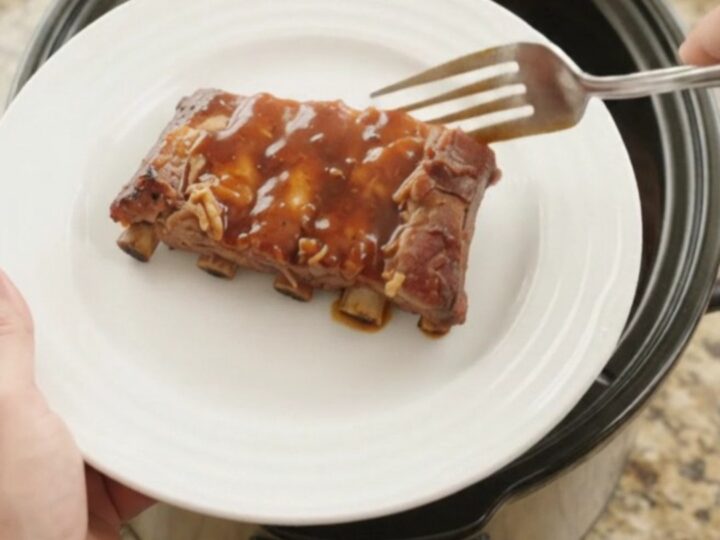
Pineapple BBQ Spare Ribs: 5-Ingredient Crockpot Dinner
- Prep
- Cook
- Total
- Serves
- 6
This is the kind of dinner that feels like a cheat code: four ingredients, one slow cooker, and a few minutes of prep before you walk away. St. Louis spare ribs cook low and slow in a bath of thick BBQ sauce, sweet pineapple rings, and fresh ginger until they're so tender the meat practically falls off the bone. The pineapple caramelizes into golden, jammy edges, and the sauce turns sticky and rich as it mingles with the pork juices.
Pineapple BBQ spare ribs are the ultimate dump-and-go slow cooker dinner. You layer raw ribs in the Crockpot, top them with pineapple rings and grated ginger, pour over a generous amount of thick BBQ sauce, and let the machine do the rest. Six hours later, you have fall-apart tender pork with a sweet-tangy glaze that's impossible to resist.
The key is using a thick, high-quality BBQ sauce—it clings to the meat instead of thinning out. This recipe is perfect for busy evenings, game day spreads, or when you want a comforting meal without hovering over the stove. Just set the timer and forget it until dinnertime.
Ingredients
- 4 lb St. Louis style pork spare ribs
- 1 can (20 oz) pineapple rings in juice, drained
- 2 tbsp fresh ginger, grated
- 2 cups thick Kansas City style BBQ sauce
Why this recipe works
Slow cooking spare ribs at a low temperature breaks down the collagen in the meat, turning tough cuts into fork-tender bites. The long, gentle heat allows the fat to render slowly, basting the ribs in their own juices.
The pineapple rings do double duty: they add natural sweetness that balances the tangy BBQ sauce, and their enzymes help tenderize the pork as it cooks. This combination of low heat and fruit acidity yields ribs that are moist, succulent, and practically melt in your mouth.
The method here is deliberately hands-off. By stacking the ribs in a single layer and covering them with sauce, you create a braising environment that steams and bastes simultaneously. The thick BBQ sauce reduces slightly as the ribs release their juices, concentrating in flavor and clinging to the meat.
The fresh ginger adds a warm, aromatic note that cuts through the richness without overpowering the sweet pineapple. This is the kind of recipe that proves you don't need a grill to get deeply flavorful, crowd-pleasing ribs.
Notes and substitutions
St. Louis style spare ribs are the best choice here because they're meatier and more forgiving than baby backs. They have a good amount of fat that renders during the long cook, keeping the meat moist. If you can only find baby back ribs, reduce the cooking time to 4–5 hours on low. The pineapple rings should be the kind packed in juice, not syrup, to avoid an overly sweet result. Drain them well before layering so the sauce doesn't get diluted.
For the BBQ sauce, choose a thick, rich Kansas City style variety—it has that deep molasses-sweet profile that pairs beautifully with pork. Avoid thin, vinegar-based sauces, as they can become watery in the slow cooker.
Fresh ginger is worth grating yourself; the jarred paste is convenient but lacks the bright, spicy punch. The equipment list is minimal: a 6-quart slow cooker, a cutting board, and a carving fork. You don't need any special gadgets, just patience for the slow cooker to work its magic.
- St. Louis style spare ribs: Baby back ribs (reduce cook time to 4-5 hours on low) or pork shoulder (cut into large chunks, cook 8 hours on low).
- Pineapple rings in juice: Fresh pineapple slices (use 6-8 slices) or canned pineapple chunks (drain well).
- Fresh ginger: 1 tsp ground ginger (add with the sauce) or 1 tbsp ginger paste from a jar.
- Thick Kansas City BBQ sauce: Any thick store-bought BBQ sauce, or a homemade sauce (use 2 cups).
Equipment
- 6-quart slow cooker (Crockpot)
- Cutting board
- Chef's knife
- Box grater or microplane
- Measuring cups and spoons
- Tongs or carving fork
- Serving plate
Up next · Part 2 of 3
5 steps · 6 h of cooking · what to look for at each stage
Step-by-step instructions (Part 2)