Dinner · Part 2 of 3: Instructions
Perfectly Seared Tomahawk Ribeye Steak Step-by-step instructions
- Prep
- Cook
- Total
- Serves
- 2
Before you start
Before starting, ensure the steak is taken out of the refrigerator at most thirty minutes early to temper. This allows the meat to cook more evenly. Have the butter ready near the stove.
Ensure the exhaust fan is running, as high-heat searing can produce a significant amount of smoke, and keep a reliable digital meat thermometer within reach to monitor the internal temperature accurately throughout the process.
Ingredients at a glance (2)
- 1 lb tomahawk ribeye steak
- 2 tbsp unsalted butter
Instructions
Preparation
- Preparing the steakRemove the steak from the refrigerator thirty minutes before cooking. Pat the meat completely dry with paper towels to ensure a superior sear.Look for Surface of the meat should be dry.Tip Dry meat is essential for achieving a deep, mahogany crust during the searing process.
The steak should be thoroughly dried. It should be at room temperature, which helps prevent the muscle fibers from seizing when they hit the hot pan. Ensure the cutting board is ready for the final slicing stage.
High-heat searing
- Searing the steakHeat a heavy-duty skillet or grill over high heat until it is smoking hot. Place the steak in the center and sear undisturbed for several minutes until a dark, crisp crust develops. Flip the steak and sear the other side until the internal temperature reaches 145°F (63°C). Let the meat rest at least 3 minutes.Look for Deep brown crust on the exterior of the steak.Safe temperature 145°F (63°C) internal temperature (steaks, chops and roasts)Tip Use long-handled tongs to sear the fat cap on the edge of the steak for extra flavor.
The steak should develop a deep, dark brown crust on the first side before flipping. The sound should be a loud, consistent sizzle. If the pan is not smoking, it is not hot enough to achieve the desired crust.
Basting and finishing
- Basting and finishingLower the heat slightly and add the butter to the pan. Once melted and bubbling, spoon the hot butter over the steak repeatedly for sixty seconds to enhance the flavor. Remove the steak from the heat and let it rest on a warm plate for at least 10 minutes before slicing against the grain.Look for Butter is foaming and aromatic, and the steak is firm yet springy to the touch.Safe temperature 145°F (63°C) internal temperature (steaks, chops and roasts)Tip Allowing the meat to rest ensures the internal juices redistribute, keeping the steak tender.
The butter should foam and turn a golden brown color as it is spooned over the steak. The meat should feel firm but yield slightly when pressed.
The final temperature should hit the target, and the resting period ensures the meat is ready to carve.
Common mistakes
A common error is cooking the steak directly from the refrigerator, which leads to a cold center and an unevenly cooked exterior. Another frequent mistake is failing to pat the surface dry, which prevents the crust from forming.
Avoid moving the steak too frequently in the pan, as this disrupts the searing process. Finally, ignoring the resting time will cause the juices to run out immediately upon slicing, resulting in a dry and less flavorful final dish.
How to tell it’s done
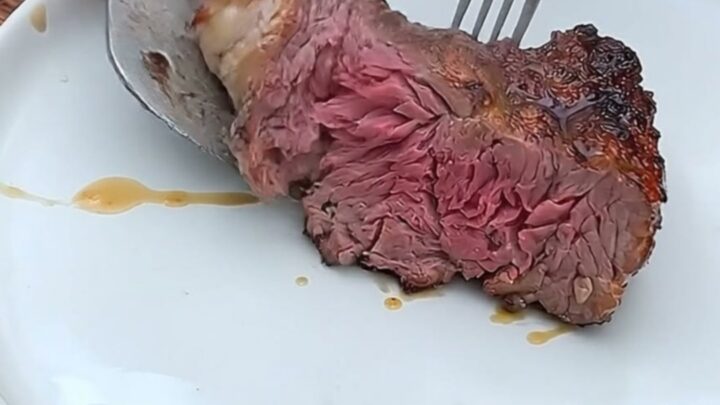
The steak is done when a meat thermometer inserted into the thickest part of the center registers 145°F (63°C). At this temperature, the meat will be a perfect medium-rare, characterized by a warm, red center and a tender, buttery texture.
It is vital to check the temperature before adding the butter to ensure the steak does not overcook during the final basting stage. Always let the meat rest for at least 10 minutes to allow the juices to settle.
- Steaks, chops and roasts: 145°F (63°C) in the thickest part, then a 3-minute rest
Up next · Part 3 of 3
2 variations · storage & make-ahead · 3 answers · printable card
Tips, FAQ & printable recipe (Part 3)← Back to the ingredients (Part 1)