Dinner · Part 1 of 3: Ingredients
Pepperoncini Ranch Dijon Cream Pork Sirloin Roast
- Prep
- Cook
- Total
- Serves
- 8
This slow cooker pork sirloin roast is the ultimate set-it-and-forget-it dinner. Just layer a few pantry staples over the meat, let it simmer all day, and come back to a tender, shreddable roast bathed in a creamy, tangy sauce.
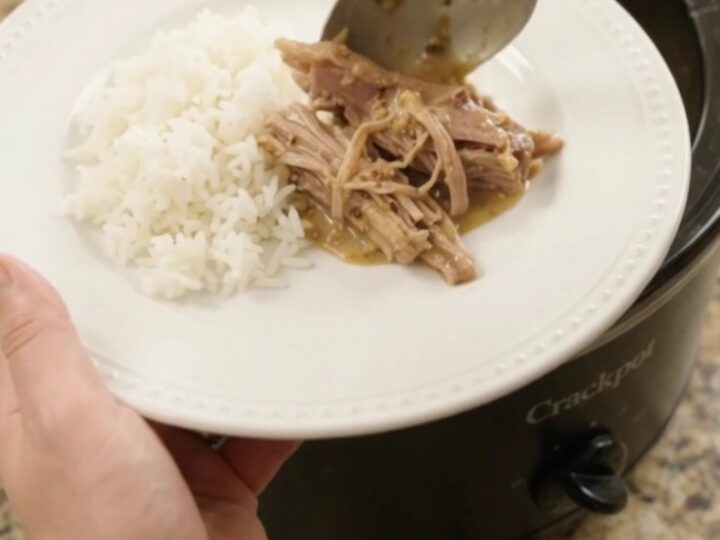
The combination of ranch, au jus, pepperoncini, sour cream, and Dijon sounds unlikely, but it works beautifully. It is perfect for busy weeknights, meal prep, or feeding a crowd. Serve it over rice, on buns, or with a side of crusty bread to soak up every drop of the rich gravy.
This recipe turns a simple pork sirloin roast into a spectacular, flavor-packed meal with almost no effort. The slow cooker does all the work, transforming a lean cut into fork-tender shreds that soak up a savory, tangy, and creamy sauce.
The pepperoncini add a gentle heat and briny brightness, while the ranch and au jus create a deeply savory base. Sour cream and Dijon mustard round it out with richness and a subtle sharpness. It is a one-pot wonder that will become a regular in the dinner rotation.
Ingredients
- 3 1/2 lb boneless pork sirloin roast
- 1 oz dry ranch dressing mix (1 packet)
- 1 oz dry au jus gravy mix (1 packet)
- 10 whole pepperoncini peppers
- 1/2 cup sour cream
- 2 tbsp whole-grain Dijon mustard
- 1/2 cup beef au jus
Why this recipe works
Slow cooking is the secret to making a lean cut like pork sirloin roast incredibly tender. The low, steady heat breaks down the connective tissue over several hours, turning the meat into shreds that practically melt in your mouth. Unlike quick-cooking methods that can leave pork dry and chewy, the slow cooker keeps the meat moist and succulent.
The combination of seasonings and sauces creates a complex, layered flavor profile. The ranch and au jus mixes provide a savory, herby base, while the pepperoncini contribute a tangy, slightly spicy kick.
Sour cream and Dijon mustard add creaminess and a sharp, mustardy depth that balances the richness of the pork. The result is a sauce that is both comforting and vibrant.
Notes and substitutions
Pork sirloin roast is a relatively lean cut, but it benefits greatly from long, slow cooking. If you prefer a richer, more marbled result, you can substitute pork shoulder or pork butt. The cooking time may be slightly longer, but the meat will be even more tender and flavorful. Be sure to trim any large pieces of surface fat before cooking.
Dry ranch and au jus mixes are convenient and widely available. Look for packets that are gluten-free if needed. For the pepperoncini, use the whole peppers, not the sliced ones, to keep them intact during cooking.
The brine from the peppers is not added, but the peppers themselves release enough liquid to flavor the dish. If you prefer a milder heat, remove the seeds before adding them.
- Pork sirloin roast: Pork shoulder or pork butt can be used; they have more fat and will be even more tender.
- Whole-grain Dijon mustard: Smooth Dijon mustard works well; add a little extra for more tang.
- Beef au jus: Use low-sodium beef broth mixed with a splash of Worcestershire sauce if needed.
- Dry ranch mix: Use 2 tablespoons of homemade ranch seasoning blend.
Equipment
- 6-quart slow cooker
- measuring cups and spoons
- two forks for shredding
- serving spoon
- cutting board (optional)
Up next · Part 2 of 3
7 steps · 8 h of cooking · what to look for at each stage
Step-by-step instructions (Part 2)