Dinner · Part 1 of 3: Ingredients
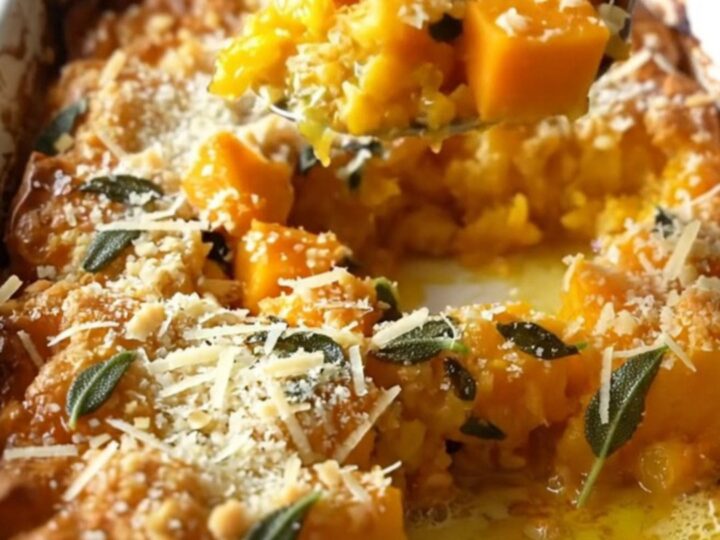
Parmesan Sage Butternut Squash Bake
- Prep
- Cook
- Total
- Serves
- 4
Discover how a simple combination of sage-infused butter and parmesan transforms butternut squash into an irresistible, golden-brown side dish that pairs perfectly with any main course. This recipe highlights the natural sweetness of the squash while adding a savory, crispy layer that elevates the entire experience.
Whether preparing a casual weeknight dinner or a special weekend meal, this bake delivers consistent, delicious results that showcase how minimal ingredients can create an exceptionally refined flavor profile without any complex techniques.
Butternut squash is a versatile vegetable that shines when roasted properly, especially when paired with the right fats and aromatics. This recipe focuses on creating a harmonious balance between the earthy, peppery notes of fresh sage and the salty, umami-rich depth of aged parmesan cheese.
By using a simple melting technique for the butter, the flavors penetrate the squash cubes thoroughly, resulting in a dish that is tender, flavorful, and visually appealing. This recipe is designed for ease and reliability, making it a go-to side for any home cook looking to impress with minimal effort.
Ingredients
main
- 2 lbs butternut squash, peeled and cubed
sauce
- 4 tbsp unsalted butter, melted
- 1 tbsp fresh sage, finely chopped
- 2 cloves garlic, minced
topping
- 1/2 cup parmesan cheese, freshly grated
Why this recipe works
The method of tossing the squash with melted butter ensures that each piece is evenly coated, preventing the cubes from drying out during the roasting process. By infusing the butter with sage and garlic before pouring, the flavor is distributed more effectively than if the herbs were simply sprinkled on top. The high heat of the oven facilitates the caramelization of the natural sugars in the squash, providing a sweet base that contrasts beautifully with the savory, salty parmesan topping.
Using a ceramic baking dish provides consistent heat distribution, which is essential for achieving a uniform texture. The open surface area of the rectangular dish allows for better moisture evaporation, which is crucial for getting that desired crispiness on the cheese layer rather than a soggy finish.
This approach ensures that the squash remains tender on the inside while developing a slightly golden exterior, creating the perfect texture contrast that makes this vegetable side dish so satisfying and delicious.
Notes and substitutions
Select a butternut squash that feels heavy for its size, which indicates a high water content and better quality. When peeling, ensure all the tough skin and inner fibrous pulp are removed to ensure a smooth, pleasant mouthfeel.
While fresh sage is highly recommended for its potent aroma, dried sage can be used if necessary, though the quantity should be reduced as dried herbs are more concentrated. Freshly grated parmesan is essential for the best texture and melting quality, so avoid pre-shredded varieties.
The choice of baking dish can influence the cooking time; a ceramic dish holds heat well, but if using metal, the squash may cook slightly faster. Always ensure the squash is cut into uniform sizes, as this is the most important factor in achieving even cooking throughout the dish. If the parmesan begins to brown too quickly before the squash is fully tender, the dish can be loosely covered with aluminum foil for the remainder of the roasting time to protect the topping.
- fresh sage: 1 teaspoon dried sage leaves
- parmesan cheese: pecorino romano or aged asiago cheese
Equipment
- large rectangular ceramic baking dish
- small mixing bowl
- chef knife
- vegetable peeler
- grater
- serving spoon
Up next · Part 2 of 3
3 steps · 35 min of cooking · what to look for at each stage
Step-by-step instructions (Part 2)