Dinner · Part 1 of 3: Ingredients
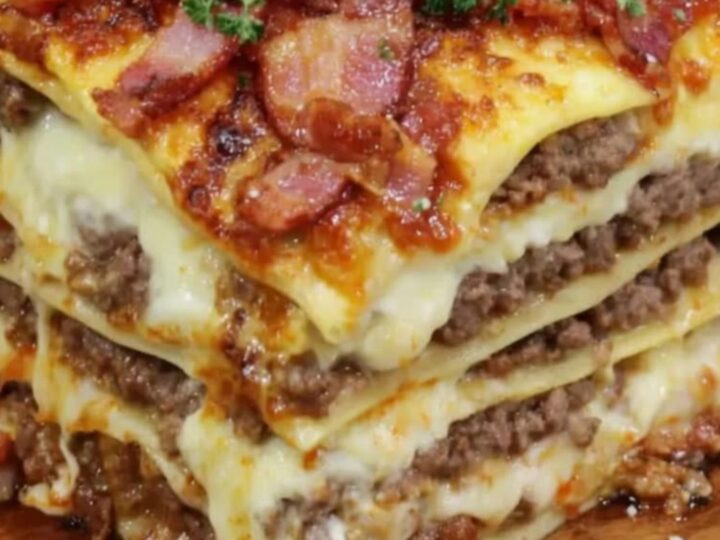
Parmesan Garlic Bacon Lasagna with Crispy Topping
- Prep
- Cook
- Total
- Serves
- 8
Elevate your dinner routine with this indulgent Parmesan Garlic Bacon Lasagna. This dish combines the timeless comfort of layered pasta with the bold, savory punch of crispy bacon and sharp parmesan cheese.
It is a show-stopping meal that looks as good as it tastes, perfect for gathering friends and family around the table for a cozy, memorable evening. Experience the perfect harmony of textures and flavors in every single cheesy, bacon-filled bite you take tonight.
This Parmesan Garlic Bacon Lasagna is a masterclass in balance. By layering thin sheets of pasta with aromatic minced garlic, rich parmesan cheese, and smoky, crunchy bacon, the dish achieves a depth of flavor that is both sophisticated and incredibly satisfying.
The process is straightforward, focusing on high-quality ingredients and careful assembly to ensure that each layer holds its own. Whether you are hosting a casual dinner party or looking for a special weekend meal, this recipe delivers consistent results that satisfy the most discerning palates with its classic, hearty appeal.
Ingredients
Topping
- 8 slices bacon, cooked until crispy
Pasta
- 1 lb lasagna noodles, cooked according to package directions
Cheese
- 2 cups parmesan cheese, freshly grated
Aromatics
- 4 cloves garlic, minced
Why this recipe works
The method of layering ensures that every bite contains a perfect distribution of garlic, cheese, and bacon. By alternating these components between the pasta sheets, the flavors meld together during the baking process, creating a cohesive dish where no single ingredient dominates.
This structured approach also allows the heat to penetrate evenly, resulting in perfectly cooked noodles and a beautifully melted cheese interior that holds its shape when cut.
Finishing the lasagna uncovered in the oven is the secret to achieving that signature golden-brown, crispy top layer. This technique transforms the parmesan into a savory crust that provides a wonderful textural contrast to the soft pasta layers below.
The addition of crispy bacon bits on top further enhances this crunch, making the final presentation not only visually appealing but also incredibly satisfying to eat with every single forkful.
Notes and substitutions
When choosing parmesan, always opt for a block and grate it yourself. Pre-grated cheese often contains anti-caking agents that prevent it from melting into the smooth, creamy consistency required for a proper lasagna. Freshly grated cheese provides a superior flavor and a much better melt, which is essential for the integrity of the layers and the overall quality of the dish.
The equipment used matters significantly for this recipe. A heavy-duty, 9x13 inch ceramic or glass baking dish is recommended as it retains heat well and ensures an even bake. Ensure the dish is clean and dry before starting the assembly. If you prefer a more rustic presentation, a cast-iron skillet of similar dimensions can also work, provided it is well-seasoned to prevent the pasta from sticking to the edges.
- parmesan cheese: pecorino romano for a sharper and saltier flavor profile
- bacon: prosciutto for a thinner, saltier, and more refined crisp topping
Equipment
- 9x13 inch baking dish
- large pot for boiling water
- skillet for frying bacon
- chef knife
- cutting board
- spatula
Up next · Part 2 of 3
3 steps · 45 min of cooking · what to look for at each stage
Step-by-step instructions (Part 2)