Dinner · Part 2 of 3: Instructions
Parmesan Crusted Cod Skillet with Garlic Lemon Butter in One Pan Step-by-step instructions
- Prep
- Cook
- Total
- Serves
- 2
Before you start
Gather all the ingredients before you turn on the stove, because the crust and butter both need steady attention once the fish is in the pan. Pat the cod fillets dry with paper towels, then season both sides generously with salt and black pepper. Finely mince the garlic and chop the parsley, and slice the lemon into thin rounds and cut wedges for serving.
Grate the Parmesan on a box grater into a fluffy pile and mix it with the panko in a shallow bowl. Wash the spinach, dry it well, and keep the cast iron skillet, the tongs and the olive oil within reach. Melt the butter in a small bowl and keep it warm near the stove.
Ingredients at a glance (11)
- 2 thick cod fillets
- 1 lemon, sliced into rounds, plus wedges for serving
- 3 cloves garlic, finely minced
- 2 tbsp fresh parsley, finely chopped
- kosher salt to taste
- black pepper to taste
- 1/2 cup finely grated Parmesan cheese
- 1/2 cup panko breadcrumbs
- 5 oz fresh spinach
- 2 tbsp olive oil
- 4 tbsp unsalted butter, melted
Instructions
Crusted fillets are ready
- Prepare the garlic and herbsFinely mince the garlic and chop the parsley on a cutting board. Slice the lemon into thin rounds and set them aside with the wedges. Pat the cod fillets dry with paper towels, then season both sides with salt and black pepper.Look for Garlic is finely minced and the fillets are dry and evenly seasoned.Tip Dry fillets brown better and hold the crust without sliding off.
- Spread the garlic herb mixtureSpread half of the minced garlic and parsley across the top of each fillet, pressing it gently into the flesh so it sticks. Keep the rest of the garlic and parsley for the butter.Look for Green flecks of herb cling to the flesh of each fillet.Tip Press gently so the herbs stay put during searing.
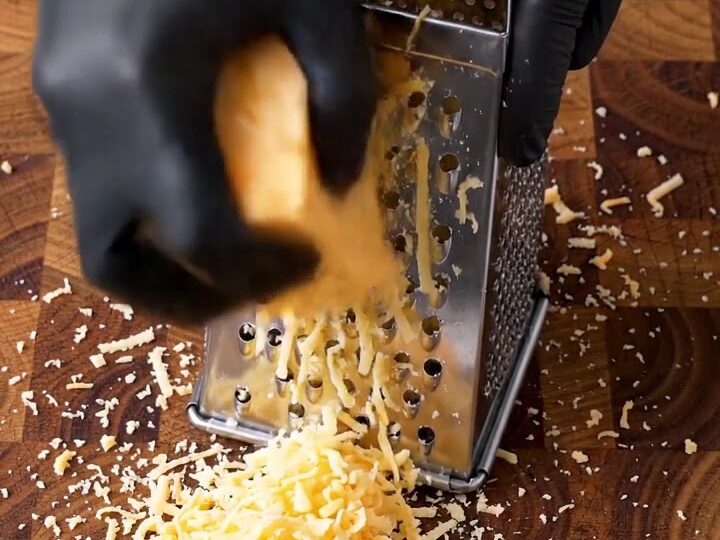
- Build the Parmesan crustGrate the Parmesan on a box grater into a fluffy pile. Mix it in a shallow bowl with the panko breadcrumbs. Press the herb-side of each fillet into the mixture so a thick, even coating covers the top and sides.Look for The coating looks sandy and clings evenly to each fillet.Tip Press firmly so the crust does not fall off in the pan.
The fillets are coated on the top and sides with a thick layer of Parmesan and panko, and the herb mixture shows as green flecks in the crust. The spinach has been spread over the bottom of the skillet and drizzled with olive oil, with the fillets resting on top. The melted garlic lemon butter is warm and fragrant with garlic and lemon, ready to spoon. Check that the coating is even and that nothing has slid off during the layering. Each fillet should look thick, dry and evenly covered before the butter goes in.
Butter bubbling over greens
- Melt the garlic lemon butterMelt the butter in a small bowl. Stir in the remaining garlic and parsley and a few lemon rounds squeezed for juice. Keep the bowl warm near the stove while you prepare the skillet.Look for The butter is fully melted and fragrant with garlic and lemon.Tip Warm butter keeps the sauce glossy when it hits the pan.
- Layer the spinach and fishSpread the spinach over the bottom of the cast iron skillet and drizzle it with olive oil. Place the crusted cod fillets on top of the greens, crust side up. Arrange the lemon rounds around them.Look for Spinach covers the pan bottom with the fillets sitting on top.Tip A single layer of spinach keeps the greens from steaming unevenly.
- Spoon the butter over the codSpoon the garlic lemon butter generously over the fish and into the pan so it pools around the spinach. Set the skillet over medium heat and cook until the butter bubbles vigorously and the spinach wilts.Look for Butter bubbles hard around the edges and the spinach has collapsed.Tip Spoon extra butter over the crust to help it brown.
- Sear and flip the codFlip each fillet with tongs and sear it in the sizzling garlic butter for about 3 minutes, until the Parmesan crust turns golden brown and crisp. Spoon the butter over the fish as it cooks.Look for The crust is golden brown and crisp at the edges.Tip Baste the fish in the bubbling butter for the crispest crust.
Once the garlic lemon butter has been spooned over the fish and into the pan, the butter should bubble vigorously around the edges and the spinach should collapse into soft, glossy strands. You should smell garlic and lemon rising from the pan, and the crust should start to take on a light golden color.
Check that the butter has pooled around the spinach without burning and that the heat is steady rather than fierce. If the butter browns too quickly, lower the heat slightly. Continue only when the spinach has wilted and the sauce is moving freely.
Crisp crust and flaky fish
- Finish cooking the fishContinue cooking the fillets for another 3 to 5 minutes, until the flesh turns opaque, flakes easily with a fork, and reaches 145°F (63°C) at the thickest point. Take the skillet off the heat.Look for The flesh is opaque and flakes easily when pressed.Safe temperature 145°F (63°C) internal temperature (fish)Tip Check the thickest part with a thermometer to be sure.
- Serve from the skilletServe the cod hot straight from the skillet, spooning the spinach and lemon garlic butter over each fillet. Garnish with lemon wedges on the side.Look for Golden fillets sit on wilted spinach in a glossy sauce.Tip Squeeze a lemon wedge over the fish just before eating.
After the flip, the Parmesan crust should be golden brown and crisp at the edges, and the fish should turn opaque from the bottom up. The flesh should flake easily when pressed gently with a fork and reach 145°F (63°C) at the thickest point. Look for even browning on every fillet and check that the crust has not separated. Spoon butter over the top as the fish cooks to keep it moist. The fish is ready to come off the heat once it is fully opaque and tender.
Common mistakes
The most common mistake is cooking the fish over heat that is too high. The Parmesan and butter will brown and burn before the center cooks through, leaving a bitter crust and undercooked flesh. Keep the heat at a steady medium so the butter bubbles without scorching.
Another mistake is skipping the drying step, since wet fillets release moisture that loosens the crust and keeps it from crisping. Do not crowd the skillet with extra fillets, because they release liquid and steam instead of searing. Finally, avoid moving the fish too often. Let the crust set for a few minutes before you flip, so it stays attached and forms a clean golden surface.
How to tell it’s done
The cod is done when the flesh turns opaque all the way through and flakes easily when pressed with a fork. The Parmesan crust should be golden brown and crisp, and the spinach should be fully wilted. For food safety, check the thickest part of each fillet with an instant-read thermometer. It should reach 145°F (63°C).
Fish that is still translucent in the center needs a few more minutes in the hot butter. Remove the skillet from the heat as soon as the fillets reach that temperature, because the residual heat in the cast iron will keep cooking them slightly. Serve right away while the crust is still crisp.
- Fish: 145°F (63°C) in the thickest part
Up next · Part 3 of 3
4 variations · storage & make-ahead · 5 answers · printable card
Tips, FAQ & printable recipe (Part 3)← Back to the ingredients (Part 1)