Dinner · Part 2 of 3: Instructions
Parmesan Crusted Cod with Lemon Garlic Butter in One Skillet Step-by-step instructions
- Prep
- Cook
- Total
- Serves
- 4
Before you start
Gather everything before you turn on the heat, since the crust and the pan sauce move quickly once the fish is in the skillet. Pat the four cod fillets completely dry with paper towels, because moisture is the main obstacle to a crisp coating. Season both sides of each fillet with salt and pepper.
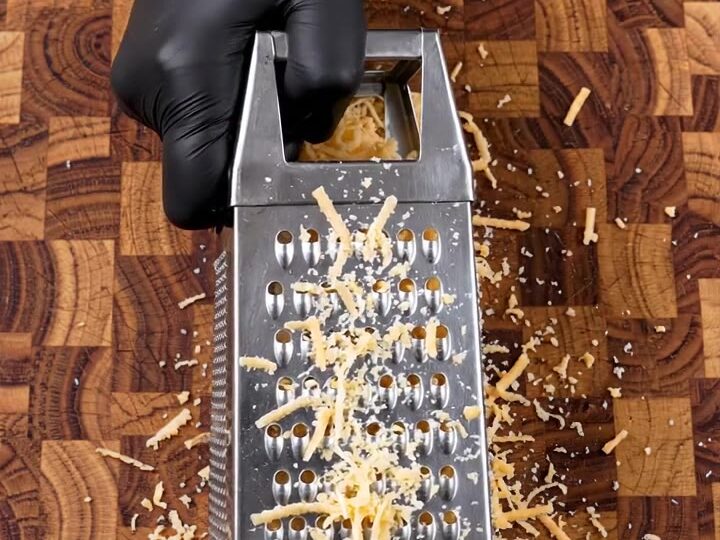
Grate the Parmesan on a box grater over a cutting board so you have a fine pile of cheese, then measure out the amount for the crust and set aside a little more for the top. Combine the panko with the crust portion of the Parmesan in a shallow dish. Mince the garlic, juice the lemon, chop the parsley, and wash and dry the spinach leaves. Lay out the metal tongs and the skillet within reach of the stove.
Ingredients at a glance (9)
- 4 thick white cod fillets, about 6 oz each
- 1 cup finely grated Parmesan cheese, plus more for the top
- 1/2 cup panko breadcrumbs
- kosher salt and black pepper, to taste
- 4 tbsp unsalted butter
- 3 cloves garlic, minced
- 1 lemon, juiced, plus wedges for serving
- 5 oz fresh spinach leaves
- 2 tbsp chopped fresh parsley, for garnish
Instructions
Crust and garlic butter ready
- Prepare the cod and crustPat the cod fillets dry with paper towels and season both sides with salt and pepper. Mix the grated Parmesan and panko in a shallow dish. Press each fillet into the mixture so the top and sides are evenly coated.Look for The coating looks sandy and even, with no bare patches on the fish.Tip Press the crust on firmly so it stays attached when the fish is flipped.
- Grate the Parmesan and mince the garlicGrate the Parmesan on a box grater over the board so you get a fine pile of shredded cheese. Mince the garlic, juice the lemon, and chop the parsley. Keep the lemon wedges aside for serving.Look for The cheese forms a fine, fluffy pile and the garlic is minced very small.Tip Grate the cheese just before using it for the best melt and flavor.
- Melt the garlic butterSet the cast iron skillet over medium heat and melt the butter. Add the minced garlic and cook briefly until fragrant, then stir in the lemon juice. Remove the skillet from the heat for a moment.Look for The butter is fully melted and the garlic smells fragrant, not browned.Tip Keep the garlic moving so it does not darken and turn bitter.
The cod is dry and seasoned, the Parmesan and panko form an even mixture in the shallow dish, and the garlic is minced fine. The butter has melted in the skillet with the garlic and lemon juice stirred through, and the sauce smells bright and fragrant without any browning. Before you go on, check that the fish is fully coated with no bare patches and that the spinach is ready to lay into the pan. Everything should be within reach because the next phase moves fast and the cheese and crumbs will not wait for you to hunt for tools.
Golden crust and bubbling sauce
- Layer spinach and cod in the panSpread the spinach leaves in an even bed over the garlic butter in the skillet. Lay the crusted cod fillets on top of the spinach, leaving a little space between them so the crust stays crisp.Look for The spinach is covered by the butter and the fillets sit flat on top.Tip Place the fish gently so the crust does not slide off.
- Sear the first sideReturn the skillet to medium heat and cook until the butter foams and bubbles around the fish. Let the crust set and turn golden on the bottom without moving the fillets.Look for The butter bubbles steadily and the edges of the crust start to turn golden.Tip If the crust browns too fast, lower the heat slightly.
- Flip and add more ParmesanUse metal tongs to flip the fillets carefully, revealing the golden, crisp crust. Sprinkle a little more shredded Parmesan over the top of each fillet, then continue cooking.Look for The new side shows a deep golden crust and the cheese starts to melt.Tip Flip the fish in one smooth motion to keep the crust intact.
- Finish cooking the codCook until the thickest part of the fish reaches 145°F (63°C) and the flesh is opaque and flakes easily with a fork. Baste the fish with the bubbling garlic lemon butter as it cooks.Look for The flesh turns opaque white and separates into flakes when pressed.Safe temperature 145°F (63°C) internal temperature (fish)Tip Check the thickest fillet with an instant-read thermometer.
Once the spinach is laid in the buttery sauce and the coated fillets are set on top, the butter should bubble steadily around the fish and the crust should begin to turn golden at the edges. Look for the spinach to start softening under the sauce, and make sure the fillets are not crowded together so the crust can crisp.
If the butter spatters aggressively or the crust darkens too fast, lower the heat a little. When the first side has browned and the fish holds together under the tongs, you are ready to flip it and finish the second side.
Crisp crust and flaky fish
- Serve in the pan sauceSpoon the lemon garlic butter sauce over the spinach and fish. Scatter the chopped parsley over the top and serve straight from the skillet with the lemon wedges on the side.Look for The spinach is wilted and the sauce is glossy and fragrant.Tip Squeeze a lemon wedge over each portion just before eating.
After the flip, the crust should look deep golden and crisp, with the fresh Parmesan melting into a savory layer on top. The sauce should be bubbling, glossy and spooned over the fish as it cooks. Check that the thickest fillet reaches 145°F (63°C) and that its flesh is opaque and separates into flakes when pressed with a fork. When both conditions are met, the spinach should be wilted and the pan sauce should coat the greens. Turn off the heat and move on to plating while the crust is still crisp and warm.
Common mistakes
The most common problem is a soggy crust, which almost always comes from wet fish or a coating that was pressed on too lightly. Pat the cod dry before seasoning and press the Parmesan and panko firmly into the surface. A second mistake is crowding the skillet: when the fillets touch, the steam they release keeps the crust from browning, so leave a small gap between each piece.
Burnt garlic is another frequent issue. Add the garlic to the butter over medium heat and keep it moving, because it turns bitter in seconds once it darkens. Finally, avoid overcooking the cod. Fish that goes past opaque and flaky becomes dry and chalky, so pull the skillet off the heat as soon as the thickest part reaches the safe temperature.
How to tell it’s done
Cod is done when the thickest part of the fillet reaches 145°F (63°C) on an instant-read thermometer. Visually, the flesh turns from translucent to opaque white all the way through and separates into flakes when you press it gently with a fork. The crust should be deep golden and crisp, and the Parmesan on top should be melted and lightly browned at the edges.
The spinach underneath should be fully wilted and tender, and the sauce should be bubbling and glossy. If the center still looks glassy or resists flaking, return the fish to the heat for another minute or two and check again. Pull it as soon as it reaches the safe temperature so it stays moist and tender rather than dry.
- Fish: 145°F (63°C) in the thickest part
Up next · Part 3 of 3
4 variations · storage & make-ahead · 5 answers · printable card
Tips, FAQ & printable recipe (Part 3)← Back to the ingredients (Part 1)