Dinner · Part 2 of 3: Instructions
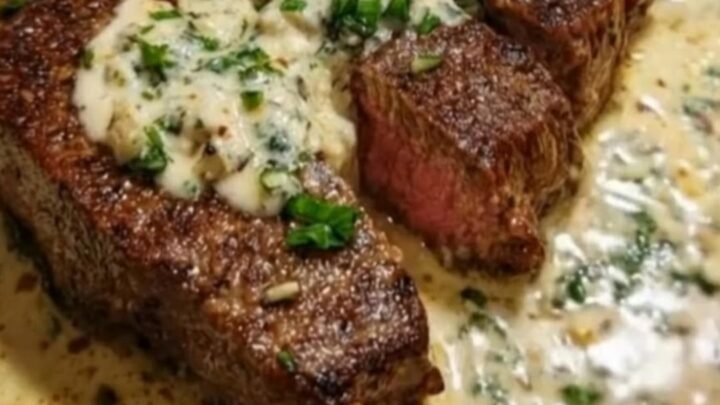
Pan-Seared Steak in Parmesan Garlic Cream Sauce Step-by-step instructions
- Prep
- Cook
- Total
- Serves
- 2
Before you start
Before you begin cooking, pull the steaks out of the refrigerator about 20 to 30 minutes prior to searing so they lose their chill, ensuring even cooking. Pat them dry thoroughly with paper towels.
Mince the garlic cloves and grate the parmesan cheese so they are ready to go, as the sauce comes together very quickly once the steak is out of the pan. Have your warm roasted potatoes set aside and ready for plating.
Ingredients at a glance (7)
- 1 1/2 lb ribeye steaks (about 2 steaks, 1 inch thick)
- 2 tbsp unsalted butter
- 3 cloves garlic, minced
- 3/4 cup heavy cream
- 1/2 cup parmesan cheese, finely grated
- 1 lb golden roasted potatoes, warm
- 2 tbsp fresh parsley, finely chopped
Instructions
Searing the Steaks
- Sear the SteaksHeat a heavy cast-iron skillet over high heat until smoking, then sear the steaks for 3 to 4 minutes per side. Ensure the thickest part of the meat reaches an internal temperature of 145°F (63°C) for food safety. Remove the steaks from the skillet and let them rest for at least 3 minutes before slicing.Look for The steaks should develop a deep, caramelized brown crust.Safe temperature 145°F (63°C) internal temperature (steaks, chops and roasts)Tip Pat the steaks completely dry with paper towels before cooking to get the best sear.
At the end of the searing phase, the steaks should have a deeply caramelized, dark golden-brown crust on both sides. You will hear a loud, energetic sizzle as the fat renders in the pan. The meat should feel firm but slightly springy to the touch. Before moving on, ensure you have measured the internal temperature to verify it has reached the safe threshold, and let the steaks rest on a cutting board.
Crafting the Cream Sauce
- Sauté the GarlicReduce the skillet heat to medium. Add the unsalted butter to the pan, scraping up any delicious browned bits left behind by the steak. Once melted, add the minced garlic and sauté for 1 minute, stirring constantly to prevent burning.Look for The garlic should be highly fragrant and sizzling gently without browning too much.Tip Keep the garlic moving constantly so it does not turn bitter.
- Simmer the Cream and ParmesanPour the heavy cream into the skillet and bring it to a gentle simmer. Whisk in the finely grated parmesan cheese. Let the mixture bubble gently over medium-low heat for 2 to 3 minutes until the cheese is completely melted and the sauce thickens.Look for The sauce should become velvety, glossy, and coat the back of a spoon.Tip Use freshly grated parmesan cheese from a block so it melts smoothly without clumping.
By the end of this phase, the garlic cream sauce should be bubbling gently and emitting a rich, savory aroma of toasted garlic and melted cheese. The sauce will have thickened significantly, turning into a velvety, ivory-colored glaze that smoothly coats the back of a spoon. Watch for a glossy sheen on the surface, indicating the parmesan has fully emulsified with the heavy cream and butter.
Slicing and Presentation
- Slice and PlateSlice the rested steak against the grain into thick strips. Arrange the steak slices and warm golden roasted potatoes on a serving platter. Spoon the rich garlic cream sauce generously over both, then garnish with the finely chopped fresh parsley.Look for Steam should rise from the glossy sauce poured over the tender steak.Tip Slice against the grain to ensure every bite of steak is tender.
During the final assembly, you will see a beautiful contrast of colors and textures on the plate. The sliced steak reveals a juicy, tender interior, while the rich, glossy cream sauce cascades elegantly over the golden, crispy roasted potatoes.
Steam will rise gently from the warm plate, and the freshly chopped parsley adds a vibrant green contrast, signaling that this decadent meal is ready to be enjoyed immediately.
Common mistakes
A common mistake is rushing the searing process or using a pan that is not hot enough, which results in a gray, boiled-looking steak without a flavorful crust.
Another error is letting the garlic burn in the butter; burnt garlic turns bitter and will ruin the delicate flavor of the cream sauce. Finally, never skip resting the meat, as slicing the steak immediately will cause all the delicious juices to run out onto the board, leaving the meat dry.
How to tell it’s done
To determine doneness accurately, always use an instant-read digital meat thermometer inserted into the thickest part of the steak. For food safety, the USDA recommends cooking whole cuts of meat to an internal temperature of at least 145°F (63°C) followed by a mandatory 3-minute rest period.
This ensures the steak is completely safe to consume while remaining incredibly juicy, tender, and flavorful. Slicing against the grain further guarantees maximum tenderness.
- Steaks, chops and roasts: 145°F (63°C) in the thickest part, then a 3-minute rest
Up next · Part 3 of 3
2 variations · storage & make-ahead · 3 answers · printable card
Tips, FAQ & printable recipe (Part 3)← Back to the ingredients (Part 1)