Dinner · Part 2 of 3: Instructions
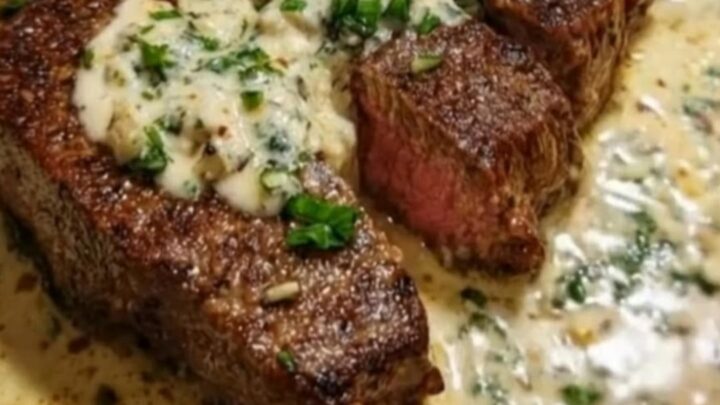
Pan-Seared Steak in Parmesan Garlic Cream Sauce Step-by-step instructions
- Prep
- Cook
- Total
- Serves
- 2
Before you start
Before you begin, ensure all ingredients are measured and ready to go, as the cooking process moves quickly once the heat is on. Take the steaks out of the refrigerator about 20 minutes before searing to allow them to come closer to room temperature, which helps with even cooking.
Pat the steaks completely dry with paper towels and season them well with salt and pepper. Have your tongs, a sharp knife, and a cutting board nearby so you are prepared to slice and serve efficiently once the steak reaches the target temperature.
Ingredients at a glance (5)
- 1 lb steaks, about 1 inch thick
- 2 cups potatoes, roasted
- 1/2 cup heavy cream
- 1/4 cup Parmesan cheese, freshly grated
- 2 cloves garlic, minced
Instructions
Searing the steak
- Sear the steakHeat the cast-iron skillet over high heat. Once the pan is very hot, place the steaks in the skillet. Sear until a deep brown crust forms, then flip and cook until the internal temperature reaches 145°F (63°C). Remove the steaks from the skillet and let them rest on a plate for at least 5 minutes before slicing.Look for The steaks should develop a dark, caramelized crust and sizzle loudly when hitting the hot pan.Safe temperature 145°F (63°C) internal temperature (steaks, chops and roasts)Tip Ensure the pan is very hot before adding the meat to achieve a proper sear.
The steak should have a deep, mahogany-colored crust on both sides. When pressed with tongs, the meat should offer slight resistance, indicating it is cooked through but still tender. The pan will have dark, caramelized bits stuck to the bottom, which are vital for the sauce flavor.
Creating the sauce
- Prepare the sauceIn the same skillet, reduce the heat to medium. Add the minced garlic and cook until fragrant. Pour in the heavy cream and bring to a gentle simmer. Stir in the grated Parmesan cheese and whisk until the sauce thickens and becomes glossy.Look for The sauce should thicken enough to coat the back of a spoon and smell intensely garlicky and nutty.Tip Whisk constantly to prevent the cheese from clumping as it melts into the cream.
The cream should be simmering gently and looking slightly reduced. The sauce should be smooth, thick enough to coat the back of a spoon, and have a rich, glossy appearance. The garlic should be fragrant without any signs of burning or browning.
Final assembly
- Assemble the dishSlice the rested steak against the grain. Add the sliced steak and the pre-roasted potatoes into the skillet with the cream sauce. Toss gently to coat everything thoroughly in the sauce. Serve immediately while hot.Look for The steak slices should be thoroughly coated in the sauce and the potatoes should be warmed through.Tip Use warm plates to keep the sauce from setting too quickly when serving.
The sliced steak should be warm throughout and perfectly coated in the thickened, creamy sauce. When plated, the sauce should cling to the meat and potatoes rather than pooling thinly on the bottom of the dish. The overall aroma should be savory, creamy, and deeply garlicky.
Common mistakes
Avoid the common mistake of crowding the pan; if the steaks are too close together, they will steam instead of searing, preventing that beautiful brown crust from developing.
Another frequent error is using cold steak directly from the fridge, which can lead to uneven cooking where the center remains cold while the outside is overdone.
Finally, do not rush the resting phase. Cutting into the steak too soon will cause all the flavorful juices to run out onto the board, leaving you with dry meat and a thin, watery sauce.
How to tell it’s done
To check for doneness, use an instant-read meat thermometer inserted into the thickest part of the steak. For a medium-rare result, look for an internal temperature of 145°F (63°C). The meat should feel firm yet yielding when pressed.
Because the steak continues to cook slightly while resting, pull it off the heat just before it hits the final target temperature. The rest period is critical; it allows the fibers to relax and the juices to stabilize, ensuring every bite is as tender as possible.
- Steaks, chops and roasts: 145°F (63°C) in the thickest part, then a 3-minute rest
Up next · Part 3 of 3
2 variations · storage & make-ahead · 3 answers · printable card
Tips, FAQ & printable recipe (Part 3)← Back to the ingredients (Part 1)