Dinner · Part 2 of 3: Instructions
Pan-Seared Arctic Char with Garlic Herb Butter and Blistered Tomatoes Step-by-step instructions
- Prep
- Cook
- Total
- Serves
- 4
Before you start
Start by taking the arctic char out of the refrigerator only when you are ready to cook, and no more than 30 minutes before the pan goes on the heat. Pat the fillets very dry with paper towels, score the skin in shallow diagonal lines and portion them into pieces of equal size. Season both sides with kosher salt, black pepper and the dried herbs.
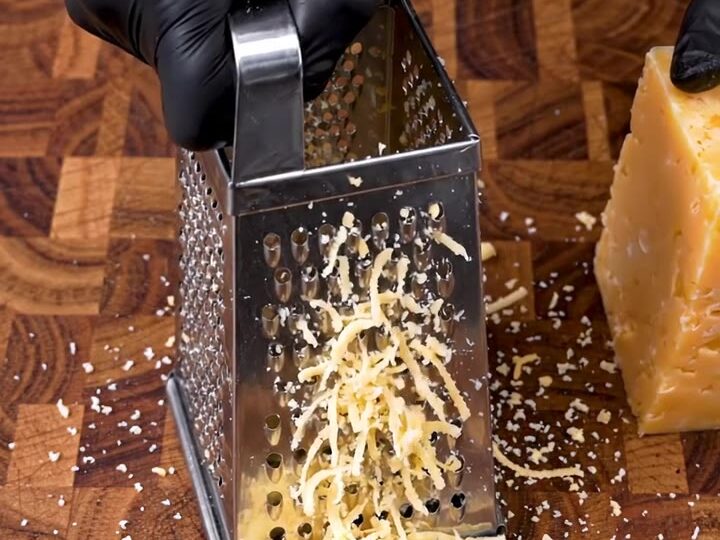
Chop the fresh dill and set aside a few sprigs for serving. Lightly crush the garlic cloves and trim the cherry tomatoes from the vine. Have the butter and oil measured, grate the hard cheese, and set a plate or the serving board within reach. Once the fish is in the pan, the cooking moves quickly, so the preparation should be finished before you turn on the burner.
Ingredients at a glance (10)
- 1 1/2 lb arctic char fillets, skin-on, scored and portioned
- 1 cup cherry tomatoes on the vine
- 3 tbsp unsalted butter
- 1 tbsp neutral oil
- kosher salt, to taste
- black pepper, to taste
- 4 cloves garlic cloves, lightly crushed
- 2 tbsp fresh dill, chopped, plus sprigs for serving
- 1 tsp dried mixed herbs
- hard cheese, finely grated, for garnish, to taste
Instructions
Season, score and prep
- Score and season the filletsPat the arctic char fillets dry with paper towels. Score the skin in shallow diagonal lines without cutting into the flesh, then portion the fillets. Season both sides with kosher salt, black pepper and the dried mixed herbs. Keep them refrigerated until the pan is ready.Look for Skin looks dry and lightly scored, flesh seasoned evenly.Tip A dry skin is the single biggest factor in getting it crisp.
- Prepare the herbs and garlicChop the fresh dill finely and set aside a few sprigs for serving. Lightly crush the garlic cloves with the flat of a knife, leaving the skins on or peeling them as you prefer. Trim the cherry tomatoes from the vine, leaving them whole.Look for Dill chopped, garlic crushed, tomatoes ready beside the board.Tip Crushing the garlic releases flavour into the butter faster.
The fillets are dry, scored and seasoned on both sides, and the skin looks matte rather than wet. The dill is chopped, the garlic is crushed and the tomatoes are ready on the board. Nothing needs to be cut or measured once the skillet is hot.
Check that the fillets are still cold from the refrigerator and that the fish has not sat out for longer than 30 minutes. Dry skin will sear to a crisp golden shell, while damp skin will steam and stick to the pan, so take the extra minute with the paper towels before you move on to the cooking stage.
Sear skin side down
- Sear the fillets skin side downHeat the oil in the cast iron skillet over medium-high heat. Add the butter and let it melt. Place the cherry tomatoes and the fillets skin side down in the skillet, pressing gently with a spatula so the skin makes full contact with the pan.Look for Butter melted and foaming, skin sizzling loudly on contact.Tip Press the fillets for 10 seconds to prevent curling.
- Add garlic and dill to the butterOnce the butter foams and turns nut brown, add the crushed garlic and the chopped dill to the pan. Tilt the skillet slightly so the herb butter pools along one side. Spoon the foaming garlic herb butter over the fish and tomatoes repeatedly to baste them.Look for Butter foaming and golden brown, garlic fragrant and dill wilting.Tip Keep the heat steady so the garlic browns without turning bitter.
- Turn and finish the fishWhen the skin is crisp and golden, turn the fillets with tongs and cook briefly on the flesh side. The tomatoes should blister and soften. Continue basting until the fish reaches 145°F (63°C) at the thickest part.Look for Skin crisp and golden, tomatoes split and blistered.Safe temperature 145°F (63°C) internal temperature (fish)Tip Probe the thickest fillet; the flesh should flake easily.
The butter and oil have melted together into a foaming pool, and the fillets sizzle loudly when they touch the metal. The skin should release cleanly from the pan after a few minutes, and the tomatoes should begin to split and blister around the edges. If the fish sticks, let it cook a little longer before trying to move it. Check the edges of each fillet: the flesh should be turning opaque from the bottom upward, and the skin should be taking on a light golden colour that holds its shape.
Baste, turn and finish
- Plate in the skilletServe directly from the skillet. Place the crispy-skinned fillets skin side up with the roasted tomatoes around them. Top each fillet with a pat of melted butter from the pan, a few sprigs of fresh dill, and a light grating of hard cheese over the board or the plate.Look for Skin glossy and crisp, fish flaking, tomatoes glistening in butter.Tip Spoon extra pan butter over the fish just before serving.
The garlic and dill are fragrant in the browning butter, the skin is crisp and golden, and the tomatoes have blistered and softened. The fish is cooked through when it reaches 145°F (63°C) at the thickest point and flakes easily with a fork. Before serving, make sure the flesh is opaque all the way through and the butter is still glossy. If the fish is not quite cooked, keep basting over low heat for another minute rather than turning the heat up, which would scorch the butter and the garlic.
Common mistakes
The most common mistake is putting damp fish into a pan that is not hot enough. The skin then steams instead of crisping, and it tears when you try to lift it. Pat the fillets dry, let the skillet heat before the fish goes in, and press gently to keep the skin in full contact with the metal.
Another frequent error is letting the butter burn. Browned butter is wonderful, but black, bitter butter ruins the dish, so lower the heat when the garlic and dill go in and keep spooning. Arctic char is best when it is just opaque and moist, so pull it at 145°F (63°C) and let it rest on the skillet for a moment before serving.
How to tell it’s done
The fish is done when the flesh has turned opaque all the way through and separates into flakes when pressed gently with a fork at its thickest point. For a precise check, use an instant-read thermometer and insert it into the thickest part of the fillet, away from the bone and the skin. The safe internal temperature for fish is 145°F (63°C).
At that point the flesh should look moist and tender, not dry or chalky. The skin should be golden brown and crisp, and the tomatoes should be blistered and soft. If the fish still looks glassy in the centre, keep basting over low heat and check again after one minute. Remove the fillets from the pan as soon as they reach temperature, because carryover heat will keep cooking them slightly while they sit.
- Fish: 145°F (63°C) in the thickest part
Up next · Part 3 of 3
4 variations · storage & make-ahead · 5 answers · printable card
Tips, FAQ & printable recipe (Part 3)← Back to the ingredients (Part 1)