Dinner · Part 2 of 3: Instructions
One-Pot Garden Veggie Fettuccine with Melted Mozzarella Step-by-step instructions
- Prep
- Cook
- Total
- Serves
- 4
Before you start
Before starting, gather all your ingredients and measure them out. You will need 1 large ripe beefsteak tomato, 1 whole medium zucchini, 1 whole small eggplant, 2 whole peeled onions, 1/4 cup olive oil, 1/2 cup water, 10 oz fettuccine, 1 cup warm water, 1 cup shredded mozzarella, and fresh parsley.
Have a deep nonstick skillet with a lid, a wooden spoon, and culinary tweezers or tongs ready. Fill a kettle with water and warm it for the pasta. This mise en place ensures a smooth cooking process.
Ingredients at a glance (10)
- 1 large ripe beefsteak tomato
- 1 whole medium zucchini
- 1 whole small eggplant
- 2 whole peeled onions
- 1/4 cup olive oil
- 1/2 cup water
- 10 oz fettuccine pasta
- 1 cup warm water
- 1 cup shredded mozzarella cheese
- 2 tbsp chopped fresh flat-leaf parsley
Instructions
Steam and Peel
- Steam the Whole VegetablesPlace the whole tomato, zucchini, eggplant, and peeled onions into a deep nonstick skillet. Add the olive oil and 1/2 cup water, then cover with a lid. Set the skillet over medium heat and bring the liquid to a gentle simmer. Let the vegetables steam for 10 minutes, until they are tender enough that the skins slip off easily when pierced with tweezers or a fork.Look for The vegetables are fork-tender and the skins have loosened.Tip Keep the heat medium so the water simmers gently without evaporating completely.
- Peel the VegetablesUsing culinary tweezers or tongs, carefully lift each vegetable from the skillet and peel off the loosened skins. Return the peeled vegetables to the skillet. The tomato skin should slip off easily; the zucchini and eggplant skins may need a gentle tug. Discard the skins.Look for The vegetables are smooth and peeled, with the cooking liquid still in the skillet.Tip If the skins resist, let the vegetables steam a minute longer.
- Mash the Vegetables into a RagùWith a wooden spoon or spatula, gently mash the peeled vegetables in the skillet until they break down into a chunky, rustic sauce. Stir to combine with the olive oil and cooking liquid. The mixture should look like a rough ragù with some texture remaining.Look for The vegetables are broken down into a thick, saucy base.Tip Mash to your preferred consistency—chunky or smoother.
After this phase, the vegetables should be tender enough that the skins slip off easily. The liquid in the skillet will have reduced slightly, and the olive oil will have infused with the vegetable juices.
The aroma is sweet and savory, with a hint of onion. The vegetables should be easily mashed with a spoon, and the skins should come off without resistance. If they do not, steam for another minute or two.
Simmer the Pasta
- Add the Fettuccine and WaterAdd the fettuccine pasta to the skillet, breaking the long strands in half if needed to fit. Pour in 1 cup of warm water, stirring to combine. The pasta should be mostly submerged in the liquid.Look for The pasta is nestled into the vegetable sauce with enough liquid to cook.Tip Warm water helps the pasta start cooking immediately.
- Simmer Until Al DenteBring the mixture to a simmer over medium heat. Cook, stirring occasionally, for about 8-10 minutes, until the pasta is al dente and has absorbed most of the liquid. The sauce will thicken and cling to the noodles.Look for The pasta is tender but still has a slight bite, and the sauce has reduced.Tip Add a splash of water if the pan looks dry before the pasta is done.
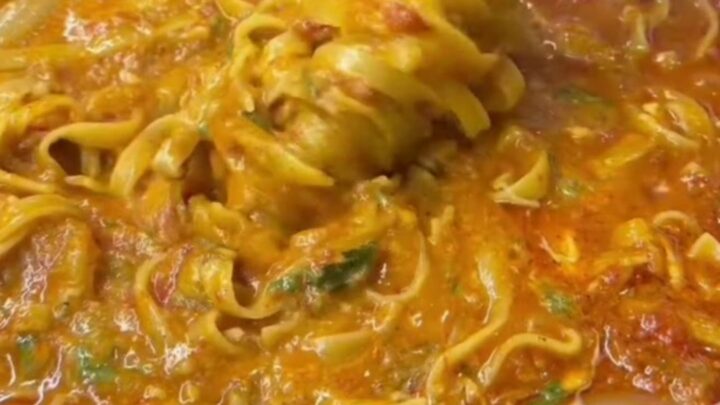
The fettuccine should be cooking in a gently bubbling sauce, with the liquid gradually reducing. The pasta will soften and absorb the vegetable flavors. The sauce will thicken and cling to the noodles as they cook. The skillet should smell rich and savory, and the pasta should be al dente—firm to the bite but not hard. If the sauce looks dry before the pasta is done, add a splash of warm water.
Melt the Cheese
- Top with Mozzarella and ParsleySprinkle the shredded mozzarella evenly over the pasta. Cover the skillet with a lid and let it sit off the heat for 2 minutes, until the cheese is gooey and melted. Scatter the chopped parsley over the top just before serving.Look for The cheese is melted and strings when lifted, and the parsley adds freshness.Tip Letting it rest off the heat prevents the cheese from becoming rubbery.
The mozzarella should melt into a gooey, stretchy blanket over the pasta. The steam from the covered skillet will help it melt evenly. When you lift a twirl, you should see long, stringy strands of cheese. The parsley adds a fresh, herbal note. The dish should look glossy and inviting, with the cheese fully melted and the parsley scattered on top. Serve immediately for the best texture.
Common mistakes
A common mistake is overcooking the vegetables, which can make them mushy and watery. Keep the heat medium and check them at the 10-minute mark—they should be just tender enough to peel. Another pitfall is adding too much water for the pasta, resulting in a soupy sauce.
Start with 1 cup of warm water and add more only if the pan looks dry before the pasta is al dente. Also, resist the urge to stir constantly once the pasta is in, as that can break the noodles.
How to tell it’s done
The dish is done when the fettuccine is al dente—tender but still with a slight bite—and the sauce has thickened to coat the noodles. The mozzarella should be completely melted and gooey, stretching when you lift a twirl of pasta.
The vegetables should be fully tender and easily mashed. If you taste a strand of pasta, it should have absorbed the savory vegetable flavors. The entire skillet should be steamy and fragrant, with the cheese melted and the parsley bright green.
Up next · Part 3 of 3
4 variations · storage & make-ahead · 5 answers · printable card
Tips, FAQ & printable recipe (Part 3)← Back to the ingredients (Part 1)