Dinner · Part 3 of 3: Tips & recipe card
Bourbon Brown Sugar Salmon and Potatoes in One Crockpot Tips, FAQ & printable recipe
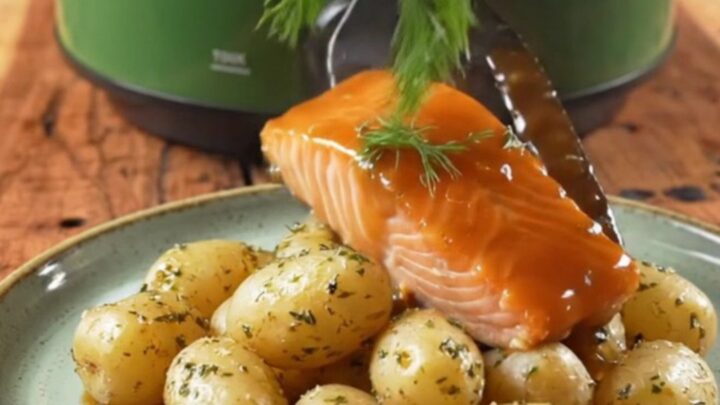
- Prep
- Cook
- Total
- Serves
- 4
Tips for success
For the best texture, choose salmon fillets that are similar in thickness so they cook at the same rate. If some fillets are thinner, tuck the tail ends under to create an even layer.
Also, don't be afraid to use a generous amount of glaze — the potatoes will soak it up, and the extra sauce at the bottom of the slow cooker can be spooned over the finished dish. If the glaze seems too thin at the end, you can transfer it to a small saucepan and simmer for a few minutes to thicken.
To get a caramelized finish on the salmon without overcooking, you can place the fillets under a broiler for 1 to 2 minutes after slow cooking. Watch them closely, as the glaze can burn quickly. For a more pronounced bourbon flavor, use a good-quality bourbon in the glaze and let it cook down.
The alcohol will mostly evaporate during the slow cook, leaving behind a deep, warm flavor. Always taste the glaze before adding it to the slow cooker and adjust the sweetness or tang to your preference.
Variations
- Maple Dijon Salmon: Replace the bourbon brown sugar glaze with an equal amount of maple syrup and Dijon mustard mixed together. The maple adds a different kind of sweetness that pairs well with the salmon and potatoes.
- Spicy Bourbon Glaze: Add a teaspoon of hot sauce or a pinch of cayenne pepper to the bourbon brown sugar Dijon glaze for a subtle kick. The heat balances the sweetness and adds depth.
- Garlic Herb Butter: Dot the salmon fillets with 2 tablespoons of butter mixed with minced garlic and chopped parsley before pouring the glaze. The butter melts into the fish, making it extra moist and flavorful.
- Citrus Bourbon Glaze: Stir in the zest and juice of one orange into the bourbon brown sugar Dijon glaze. The citrus brightens the dish and cuts through the richness of the bourbon.
Storage and make-ahead
- Fridge
- Store in an airtight container in the refrigerator for up to 3 days. Reheat gently to avoid drying out the salmon.
- Freezer
- Freeze cooked salmon and potatoes in a freezer-safe container for up to 2 months. Thaw overnight in the refrigerator before reheating.
- Reheat
- Reheat in a 350°F (175°C) oven for 10-15 minutes, or in the microwave in 30-second bursts, until heated through.
Store leftovers in an airtight container in the refrigerator for up to 3 days. The salmon and potatoes will keep well, and the glaze will thicken as it cools. Reheat gently in the microwave or in a skillet over low heat to avoid drying out the fish. The dish is best eaten within a day or two, as the salmon can become dry upon reheating.
You can prepare the ingredients up to a day ahead: halve the potatoes, measure the glaze, and keep the salmon in the refrigerator. When ready to cook, simply layer everything in the slow cooker and set it to LOW. The recipe can also be fully cooked and then reheated, though the texture of the salmon will be best when freshly made.
Serving ideas
Serve the bourbon brown sugar salmon and potatoes straight from the slow cooker for a family-style meal. Place the fillets on a large platter with the potatoes mounded beside them, and spoon the remaining glaze over the top.
Garnish with a generous amount of fresh dill, which adds a bright, herbaceous note that cuts through the sweetness. This dish pairs well with a simple green salad or steamed green beans to balance the richness.
For a more elegant presentation, portion each salmon fillet onto individual dinner plates, with a scoop of potatoes on the side. Drizzle the glaze artfully over the fish, and finish with a few sprigs of dill.
The dish is substantial enough to stand alone, but it also works as part of a larger spread. Leftover glaze can be served on the side for those who want extra sauce.
Frequently asked questions
Can this recipe be made with frozen salmon?
Why does the salmon sometimes turn out dry?
Can the potatoes be swapped for other vegetables?
Is the alcohol in the bourbon fully cooked off?
Can this be made in an Instant Pot or pressure cooker?
Bourbon Brown Sugar Salmon and Potatoes in One Crockpot
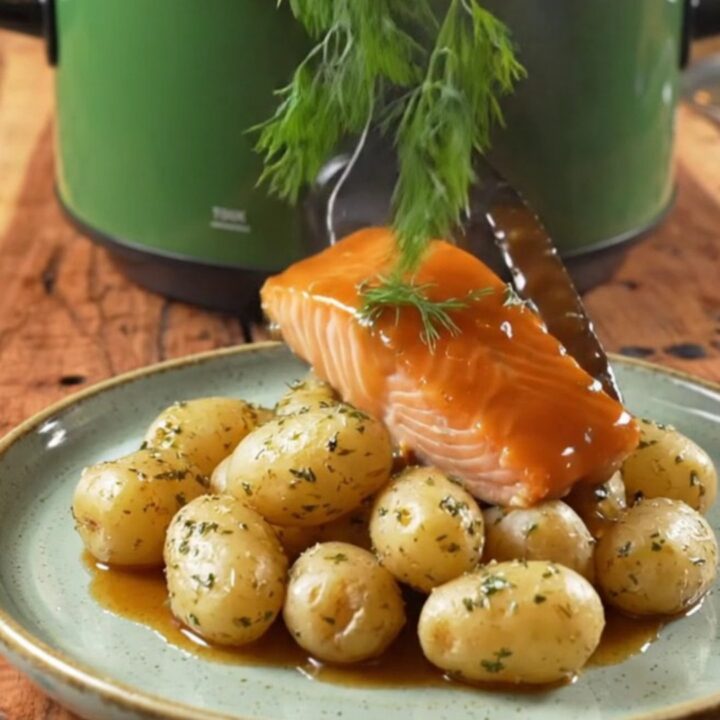
Ingredients
- 1 1/2 lb baby potatoes, halved
- 4 skin-on sockeye salmon fillets (6 oz each)
- 1/2 cup bourbon brown sugar Dijon glaze
- Fresh dill, for serving
Instructions
- Arrange the halved baby potatoes in an even layer in the bottom of a 6-quart slow cooker. Place the four salmon fillets on top of the potatoes, skin-side down, spacing them slightly apart. Pour the bourbon brown sugar Dijon glaze evenly over the salmon and potatoes, using a spatula to spread it so every fillet is coated.
- Place the lid securely on the slow cooker and set it to LOW. Cook for 2 1/2 hours, or until the salmon flakes easily with a fork and the potatoes are tender when pierced with a knife. Do not lift the lid during the first 2 hours to keep the heat steady.
- After 2 1/2 hours, gently insert a fork into the thickest part of a salmon fillet and twist. The flesh should flake into large, moist pieces and look opaque throughout. The internal temperature should read at least 145°F (63°C) on an instant-read thermometer. If the salmon is not yet flaky, continue cooking in 15-minute increments.
- Turn off the slow cooker and let the salmon rest in the residual heat for 5 minutes. This allows the glaze to cling to the fish and the juices to redistribute. The potatoes will continue to absorb the bourbon brown sugar flavor as they sit.
- Using a spatula, lift each salmon fillet onto a dinner plate, keeping the skin attached if desired. Spoon the potatoes alongside, making sure to drizzle any remaining glaze from the bottom of the slow cooker over the fish. Garnish with fresh dill and serve immediately.
Estimated nutrition per serving
- Calories
- 480
- Protein
- 38 g
- Carbohydrates
- 42 g
- Fat
- 16 g
Next recipe
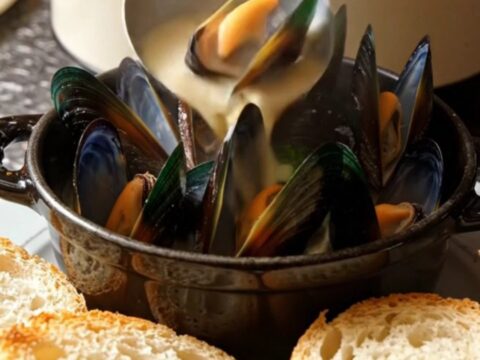
Crockpot White Wine Garlic Mussels with Creamy Fennel Broth
See the recipe → →This recipe is based on a short cooking video and is published under the pen name Clara Weller. It was checked before publication, but errors can slip through. Nutrition, when shown, is an estimate. Read more in our editorial policy and on our food safety page.
More recipes to try

Spicy Thai Tom Yum Seafood Boil for a Quick Dinner
Total time: 2 h 10 min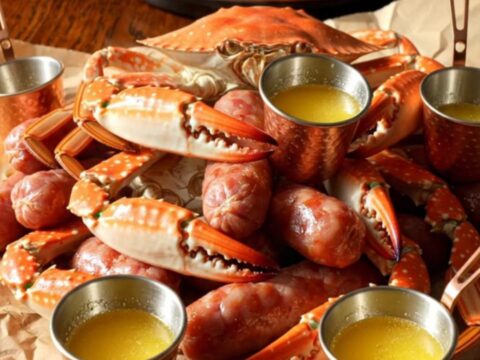
Crockpot Maryland Blue Crab and Beer Boil
Total time: 2 h 40 min
Creamy New England Clam Chowder in a Bread Bowl
Total time: 5 h 15 min
Honey-Hot Cajun Crockpot Shrimp Boil
Total time: 2 h 15 min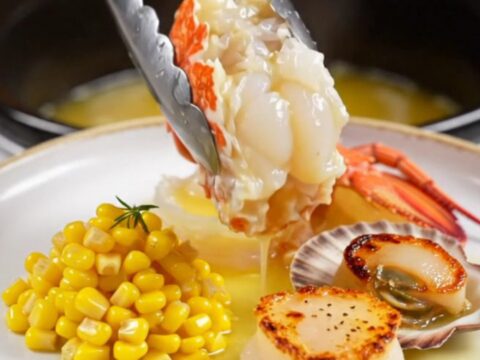
Crockpot Butter-Poached Lobster and Scallops
Total time: 1 h 40 min