Dinner · Part 2 of 3: Instructions
One-Pan Uncooked Shell Pasta with Melted Mozzarella Step-by-step instructions
- Prep
- Cook
- Total
- Serves
- 4
Before you start
Before starting, measure out all ingredients and have them ready by the stove. Dice the tomatoes (if using fresh), chop the onion and green pepper, mince the garlic, and shred the mozzarella if not pre-shredded.
Heat the vegetable broth in a saucepan or microwave until hot, as adding hot broth helps bring the skillet to a boil faster. Set out a wide skillet with a lid, a wooden spoon, and measuring cups and spoons. This recipe comes together quickly, so having everything prepped ensures smooth cooking.
Ingredients at a glance (11)
- 2 cups uncooked pipe rigate shell pasta
- 1 cup diced tomatoes (canned or fresh)
- 1/2 cup chopped onion
- 1/2 cup chopped green bell pepper
- 2 cloves garlic, minced
- 2 tbsp butter
- 1 tbsp olive oil
- 1 tsp paprika
- 1/2 tsp ground cumin
- 2 1/2 cups hot vegetable broth
- 1 cup shredded mozzarella cheese
Instructions
Phase 1: Build the Base
- Combine Ingredients in SkilletPlace the uncooked pipe rigate pasta, diced tomatoes, chopped onion, chopped green bell pepper, minced garlic, butter, olive oil, paprika, and ground cumin in a wide skillet. Use a wooden spoon to toss everything together so the pasta is coated with the butter, oil, and seasonings.Look for The pasta and vegetables are evenly distributed in the skillet with the butter and oil.Tip Keep the heat off until all ingredients are in the pan to avoid burning the garlic.
- Add Broth and BoilPour the hot vegetable broth into the skillet. Bring the mixture to a vigorous boil over high heat. Once boiling, reduce the heat to low, cover with a lid, and simmer for 12 minutes, or until the pasta is tender and has absorbed most of the liquid.Look for The liquid is bubbling and the pasta is swelling as it cooks.Tip Keep the lid on during simmering to trap steam and cook the pasta evenly.
At the end of this phase, the skillet contains raw pasta, vegetables, butter, oil, and spices, all mixed together. The broth has been added and brought to a vigorous boil.
The mixture should be bubbling energetically and the pasta should be starting to soften. The aromas of garlic, paprika, and cumin should be fragrant. Before moving on, make sure the heat is reduced to low and the lid is firmly in place for the simmer.
Phase 2: Cook and Melt
- Stir Until CreamyRemove the lid and stir the pasta gently with a wooden spoon. The sauce will have thickened and become velvety as the pasta releases its starch. Stir for a minute or two to combine everything into a creamy, cohesive mixture.Look for The sauce coats the pasta and looks glossy and thick.Tip Stir gently to avoid breaking the pasta shells.
- Top with Cheese and MeltSprinkle the shredded mozzarella evenly over the pasta. Cover the skillet with the lid for a minute or two, or until the cheese melts and becomes gooey. If you prefer a browned top, you can place the skillet under a broiler for a minute, watching closely.Look for The cheese is completely melted and stretches when you lift the spoon.Tip Covering the pan traps heat and melts the cheese faster.
After the simmer, the lid is removed and the pasta should be tender and the sauce thickened. Stirring reveals a creamy, velvety texture with no excess liquid. The mozzarella is then sprinkled over the top and melted until gooey and stretchy. The cheese should be fully melted and the pasta should be coated in a rich, glossy sauce. The skillet should look inviting, with the cheese pulling away from the sides.
Phase 3: Serve
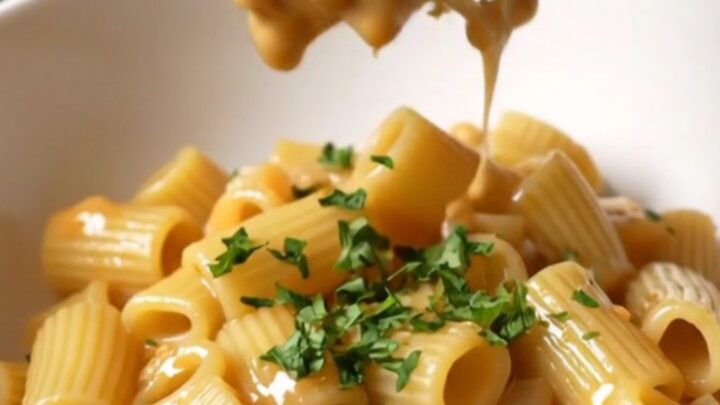
- Serve the Creamy PastaScoop generous portions of the cheesy pasta into bowls. Serve hot, with an extra sprinkle of black pepper or fresh herbs if desired. The pasta should be tender, the sauce creamy, and the cheese stretchy.Look for The pasta is tender and the cheese pulls in long strands.Tip Serve immediately for the best cheese pull.
The pasta is scooped into bowls, showing off the creamy sauce and melted cheese. Each serving should have a good amount of cheese pull and the pasta should be tender. The dish is ready to be served immediately, with the cheese still hot and stretchy. The overall appearance is a comforting, one-pan meal that looks as delicious as it tastes.
Common mistakes
One common mistake is lifting the lid too often while simmering, which lets steam escape and can leave the pasta undercooked. Trust the 12-minute simmer and keep the lid on. Another pitfall is using too small a skillet, which can cause uneven cooking and overflow.
Use a wide 12-inch pan. Also, avoid stirring too vigorously after the cheese is added, as this can break the pasta and make the sauce gummy. Finally, if the sauce looks too thick before the pasta is tender, add a splash of hot broth or water and continue cooking.
How to tell it’s done
The pasta is done when it is tender but still has a slight bite (al dente). To check, fish out a piece and taste it. The sauce should be creamy and coat the pasta, with no excess watery liquid. The mozzarella should be completely melted and bubbly.
If you like a golden top, you can broil the skillet for a minute or two after the cheese melts, but watch closely to prevent burning. The dish is best served hot, when the cheese is stretchy and the sauce is glossy.
Up next · Part 3 of 3
4 variations · storage & make-ahead · 5 answers · printable card
Tips, FAQ & printable recipe (Part 3)← Back to the ingredients (Part 1)