Dinner · Part 1 of 3: Ingredients
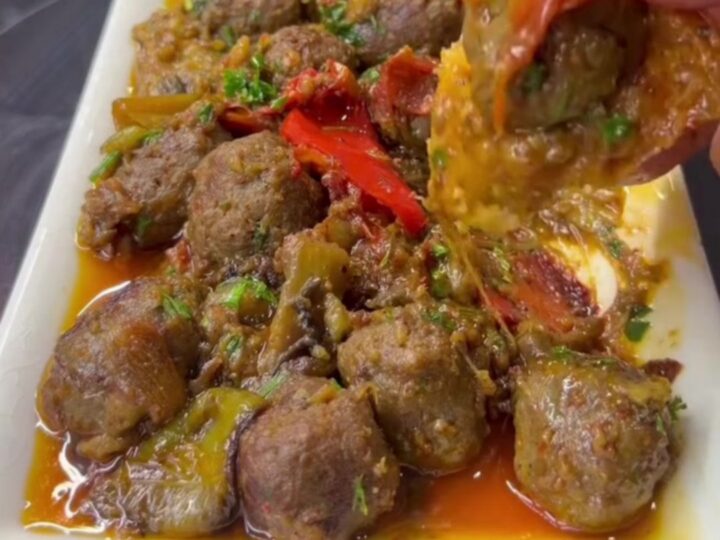
One-Pan Turkish Köfte with Roasted Eggplant
- Prep
- Cook
- Total
- Serves
- 4
This one-pan Turkish köfte brings together juicy seasoned beef meatballs, blistered eggplant, sweet peppers, and onions in a rich olive oil–tomato sauce. It’s the kind of dinner that feels both rustic and special, and it comes together in about 30 minutes.
The secret is letting the vegetables sear until they’re caramelized, then simmering everything gently so the meatballs stay tender and the sauce becomes silky. Serve it straight from the skillet with crusty bread to soak up every last drop.
Köfte, the beloved Turkish meatball, is usually grilled or pan-fried and served with vegetables. This version takes a shortcut: everything cooks in a single wide skillet, so the eggplant, peppers, and onions absorb the meaty juices while the meatballs simmer in the tomato sauce.
The result is a deeply flavorful, comforting dish that’s perfect for busy weeknights. The vegetables soften and sweeten as they cook, and the pan juices turn into a luxurious sauce that begs for bread. It’s authentic in spirit and endlessly practical.
Ingredients
- 1/4 cup olive oil
- 1 large eggplant, cut into thick rounds
- 1 green bell pepper, sliced
- 1 red bell pepper, sliced
- 1 onion, sliced
- 2 ripe tomatoes, chopped
- 1 tsp sea salt
- 1 lb ground beef (80% lean)
- 1/4 cup fresh parsley, chopped
- Crusty village bread, for serving
Why this recipe works
The method here is built on layering flavor. First, the vegetables are seared in olive oil until blistered and caramelized. This step develops sweetness and depth that simply boiling or steaming can’t achieve. The high heat creates a fond on the bottom of the pan—those browned bits are pure flavor. When the meatballs are added, they pick up that fond, and the sauce gets richer as it simmers.
Cooking the meatballs directly in the sauce keeps them incredibly moist. Unlike grilling or pan-frying alone, simmering in the tomato-olive oil mixture gently cooks the meat without drying it out. The steam inside the covered skillet also helps the eggplant and peppers become meltingly tender. This one-pan technique isn’t just convenient—it’s the key to the dish’s silky, cohesive texture.
Notes and substitutions
For the best results, choose a wide skillet—12 inches or larger—so the vegetables have room to sear rather than steam. Use a heavy-bottomed pan like cast iron or stainless steel to get a good char.
The eggplant should be cut into thick rounds, about 1/2-inch thick, so they hold their shape during cooking. If you prefer a milder flavor, you can peel the eggplant, but the skin adds a pleasant texture.
The meatballs are simply seasoned ground beef—no breadcrumbs or eggs needed. The key is to handle the meat gently and not overwork it, which keeps the meatballs tender.
You can use ground lamb or a beef-lamb blend for a more traditional flavor. The fresh parsley at the end brightens the dish and adds a fresh contrast to the rich sauce. Serve with crusty bread, or even over rice if you prefer.
- ground beef: Ground lamb or a beef-lamb blend works beautifully with the same spices.
- green bell pepper: Use Cubanelle or banana peppers for a milder, slightly sweet flavor.
- fresh tomatoes: Canned diced tomatoes (about 1 cup) can replace fresh when tomatoes are out of season.
Equipment
- Wide skillet (12-inch)
- Cutting board
- Chef's knife
- Measuring spoons
- Wooden spoon
- Lid or cover for skillet
Up next · Part 2 of 3
5 steps · 25 min of cooking · what to look for at each stage
Step-by-step instructions (Part 2)