Dinner · Part 2 of 3: Instructions
One-Pan Skillet Lasagna with Olive Oil Under a Lid Step-by-step instructions
- Prep
- Cook
- Total
- Serves
- 4
Before you start
Before you start, gather all your ingredients and equipment. Dice the onion, peppers, and garlic, and measure out the olive oil. If using whole tomatoes, have them ready.
Ensure your skillet has a tight-fitting lid. This recipe comes together quickly, so having everything prepped will make the process smooth.
Ingredients at a glance (13)
- 2 tbsp olive oil
- 250 g ground beef
- 1 onion, diced
- 2 green peppers, diced
- 1 red kapya pepper, diced
- 5 cloves garlic, minced
- 5 ripe whole tomatoes
- 1 tsp tomato paste
- Salt to taste
- Black pepper to taste
- 10 lasagna sheets
- 1 cup shredded kaşar cheese
- Finely chopped parsley, for garnish, to taste
Instructions
Sauté and Simmer the Sauce
- Sauté the Aromatics and BeefHeat the olive oil in a large skillet over medium heat. Add the diced onion, green peppers, kapya pepper, and garlic. Cook, stirring occasionally, until the vegetables soften, about 5 minutes. Add the ground beef and cook, breaking it up with a spoon, until it is browned and cooked through. Season with salt and pepper.Look for The vegetables are tender and the beef is browned with no pink remaining.Safe temperature 160°F (71°C) internal temperature (ground meat)Tip Use a wooden spoon to break the beef into small crumbles as it cooks.
- Add Tomatoes and SimmerAdd the whole tomatoes and tomato paste to the skillet. Use a spoon to break the tomatoes apart. Bring the mixture to a simmer, then reduce the heat to low. Cover the skillet with the lid and let the sauce cook gently for 10 minutes, allowing the flavors to meld.Look for The sauce is thick and bubbling gently around the edges.Tip If the tomatoes are very firm, let them cook a few minutes longer before breaking them up.
At the end of this phase, the vegetables should be soft and the beef browned. The sauce should be thick and bubbling gently.
The aroma of garlic and peppers will fill your kitchen, and the skillet will be sizzling with savory goodness.
Cook the Pasta and Melt the Cheese
- Layer the Lasagna SheetsNestle the lasagna sheets into the simmering sauce, making sure they are submerged as much as possible. Cover the skillet with the lid and cook on low heat until the pasta sheets are soft and pliable, about 15 minutes. Stir gently once or twice to prevent sticking.Look for The pasta sheets are tender and have absorbed some of the sauce.Tip If the sauce seems dry, add a splash of water to help the pasta cook.
- Add Cheese and ParsleySprinkle the shredded kaşar cheese evenly over the top of the lasagna. Scatter the chopped parsley over the cheese. Cover the skillet again and cook for 2 minutes, until the cheese is melted and bubbly.Look for The cheese is fully melted and forms a golden, bubbling blanket.Tip Keep the lid on to trap the steam and help the cheese melt evenly.
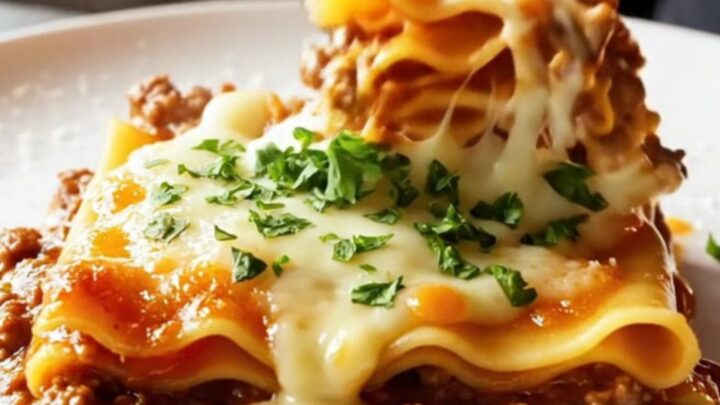
The lasagna sheets should be tender and have absorbed the sauce. The cheese is melted and bubbly, creating a golden blanket. The skillet will look inviting, with steam rising and the edges of the pasta slightly crispy.
Serve and Savor
- Serve and EnjoyRemove the skillet from the heat. Use a spatula to lift generous portions of the lasagna onto plates, making sure to get some of the cheese and sauce with each serving. Serve hot, garnished with extra parsley if desired.Look for The lasagna holds its shape when lifted, with a stretchy cheese pull.Tip Let the lasagna rest for a few minutes before serving to allow the layers to set slightly.
The lasagna is ready to be served. Each portion should hold together, with a stretchy cheese pull and a rich, meaty sauce. The dish looks golden and appetizing, with the parsley adding a fresh green contrast.
Common mistakes
A common mistake is not using enough liquid, which can cause the pasta to cook unevenly or stick to the skillet. If the sauce seems dry, add a splash of water or broth.
Another pitfall is overcooking the cheese, which can make it tough and rubbery. Keep the lid on for only 2 minutes after adding the cheese, and remove from heat promptly.
How to tell it’s done
The lasagna is done when the pasta sheets are tender and have absorbed most of the sauce, and the cheese is melted and bubbly. The internal temperature of the ground beef should reach 160°F (71°C) to ensure it is fully cooked.
The top should be golden and the edges slightly crispy. Let it rest for a few minutes before serving to allow the layers to set.
- Ground meat: 160°F (71°C) in the thickest part
Up next · Part 3 of 3
4 variations · storage & make-ahead · 5 answers · printable card
Tips, FAQ & printable recipe (Part 3)← Back to the ingredients (Part 1)