Dinner · Part 1 of 3: Ingredients
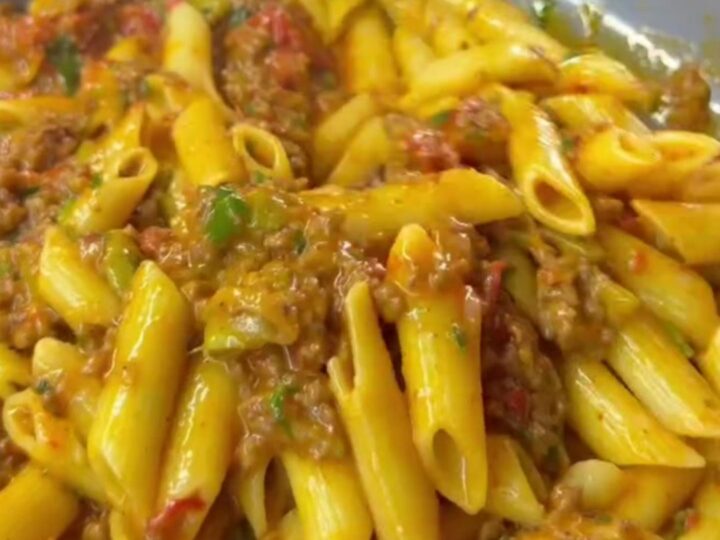
One-Pan Roasted Vegetable and Meatball Penne
- Prep
- Cook
- Total
- Serves
- 4
This one-pan roasted vegetable and meatball penne is the kind of dinner that feels both rustic and special. Whole tomatoes and zucchini roast right in the skillet with seasoned meatballs, creating a rich, chunky ragù that clings to every piece of penne.
The entire dish comes together in one pan, making cleanup a breeze. With just a handful of ingredients and about 30 minutes, you can have a hearty, satisfying meal that tastes like it simmered for hours.
This recipe is a celebration of simple ingredients doing their best work. Whole tomatoes break down into a luscious sauce, zucchini turns tender and sweet, and seasoned meatballs brown and infuse the sauce with flavor.
Everything cooks together in one skillet, so the pasta absorbs all those savory juices. The result is a cohesive, deeply flavorful dish that feels both homey and special. It's the kind of meal that makes you look forward to leftovers, if there are any.
Ingredients
- 2 tbsp olive oil
- 4 ripe tomatoes, whole
- 2 zucchini, cut into cylinders
- 5 cloves garlic, peeled
- 500 g seasoned beef meatballs
- sea salt to taste
- black pepper to taste
- 1 tsp dried oregano
- 1/2 tsp chili flakes
- 300 g penne pasta, cooked al dente
- 1/2 cup shredded cheese (such as mozzarella or provolone)
- fresh parsley, chopped, for serving
Why this recipe works
Cooking the tomatoes and zucchini whole (or in large pieces) allows them to release their moisture slowly, creating a natural sauce that isn't watery. The steam from covering the skillet helps the vegetables soften without drying out, while the direct heat from the pan gives them a light char and concentrated flavor. This method builds layers of taste with minimal effort.
The meatballs are seared right in the same pan, so their rendered fat and juices season the sauce as it simmers. Tossing the cooked pasta directly into the skillet lets it absorb the ragù, rather than serving sauce on top of plain pasta.
This technique ensures every bite is coated and flavorful, and the melted cheese helps bind everything together into a creamy, satisfying finish.
Notes and substitutions
Use ripe, in-season tomatoes if possible—they will be sweeter and more flavorful. If your tomatoes are very large, you can cut them in half, but the video shows them whole. The zucchini should be cut into thick cylinders so they hold their shape during cooking. Five garlic cloves may seem like a lot, but they mellow as they roast, adding a sweet, nutty note to the sauce.
Seasoned beef meatballs are available at many grocery stores, but you can use your favorite homemade or store-bought variety. If you prefer a milder dish, reduce the chili flakes or omit them entirely.
The shredded cheese can be mozzarella, provolone, or a mix—just make sure it melts well. For a dairy-free version, use a plant-based shred that melts, but note that the recipe will no longer be dairy-free.
- seasoned beef meatballs: Use turkey or chicken meatballs; adjust cooking time to ensure they reach 165°F (74°C).
- zucchini: Swap with yellow squash or bell peppers, cut into similar-sized pieces.
- shredded cheese: Use a dairy-free shredded cheese alternative if needed.
- chili flakes: Omit for a milder dish or add a pinch of cayenne for extra heat.
Equipment
- Large skillet with lid
- Tongs
- Wooden spoon
- Chef's knife
- Cutting board
Up next · Part 2 of 3
4 steps · 20 min of cooking · what to look for at each stage
Step-by-step instructions (Part 2)