Dinner · Part 2 of 3: Instructions
One-Pan Roasted Tomato and Zucchini Tagliatelle with Mozzarella Step-by-step instructions
- Prep
- Cook
- Total
- Serves
- 4
Before you start
Before cooking, gather all ingredients and measure them out. Bring a large pot of salted water to a boil for the pasta. Have the tomatoes diced, zucchini sliced into half-moons, garlic crushed, and mozzarella shredded.
Reserve about 1 cup of pasta water before draining the tagliatelle. Set out a large skillet, wooden spoon, and measuring cups. This recipe moves quickly once the cooking starts, so having everything prepped ensures a smooth process.
Ingredients at a glance (12)
- 3 tbsp olive oil
- 4 ripe plum tomatoes, diced
- 2 medium zucchini, sliced into half-moons
- 3 cloves garlic, crushed
- 1 tsp dried oregano
- 1/2 tsp salt
- 1/4 tsp black pepper
- 1/2 cup starchy pasta water
- 12 oz tagliatelle pasta
- 8 oz fresh mozzarella, shredded
- 1/2 cup grated parmesan cheese
- Fresh basil leaves, torn, for serving
Instructions
Sauté and Crush the Vegetables
- Sauté the vegetablesHeat the olive oil in a large skillet over medium-high heat. Add the diced plum tomatoes, zucchini slices, and crushed garlic. Sprinkle with oregano, salt, and black pepper. Sauté for 5-7 minutes, stirring occasionally, until the vegetables are caramelized and the tomatoes have released their juices.Look for The tomatoes are soft and jammy, the zucchini is golden at the edges, and the garlic is fragrant.Tip Use a wooden spoon to crush the tomatoes as they cook, helping to release their sweet juices.
- Crush the vegetablesUse a wooden spoon to crush the softened vegetables right in the pan until they form a chunky sauce. Stir in the starchy pasta water and let the mixture simmer for 2-3 minutes, allowing it to thicken slightly and meld the flavors together.Look for The sauce is thick and glossy, with small chunks of tomato and zucchini remaining.Tip Crushing the vegetables releases their natural sweetness and creates a rustic texture.
The skillet should smell fragrant with garlic and oregano. The tomatoes will have released their juices and started to caramelize, turning deep red and jammy. The zucchini will be golden at the edges and tender.
When you crush the vegetables with a wooden spoon, they should break apart easily, releasing a sweet, aromatic liquid. The sauce should be thick and chunky, with a glossy sheen from the olive oil.
Cook and Combine the Pasta
- Cook the tagliatelleBring a large pot of salted water to a boil. Add the tagliatelle and cook until al dente according to package directions, usually 8-10 minutes. Reserve 1/2 cup of the starchy pasta water before draining, then drain the pasta well.Look for The pasta is tender but still has a slight bite in the center.Tip Reserve more pasta water than needed — you can always add extra if the sauce needs loosening.
- Combine pasta and sauceAdd the drained tagliatelle to the skillet with the tomato-zucchini sauce. Toss well to coat every strand with the sauce. If the mixture seems dry, add a splash of the reserved pasta water.Look for The pasta is evenly coated with the chunky sauce.Tip Use tongs to toss the pasta gently, ensuring even distribution without breaking the noodles.
- Add the cheesesReduce the heat to low. Add the shredded mozzarella and grated parmesan to the pasta. Toss continuously for 1-2 minutes until the cheeses melt and create a creamy, glossy sauce that clings to the noodles.Look for The cheese is fully melted, and the sauce is creamy and stretchy.Tip Keep the heat low to prevent the cheese from becoming stringy or clumping.
The tagliatelle should be al dente — tender but with a slight bite. As you toss the pasta with the sauce, each strand should become coated with the chunky tomato-zucchini mixture. The cheese should melt into a creamy, stretchy sauce that clings to the noodles. The skillet should look glossy and inviting, with the mozzarella pulling into long ribbons when you lift a forkful.
Garnish and Serve
- Serve with basilRemove the skillet from the heat. Divide the pasta among serving plates or bowls. Top with torn fresh basil leaves and an extra sprinkle of parmesan if desired. Serve immediately while the cheese is still molten and stretchy.Look for The basil adds a fresh, aromatic contrast to the rich, creamy pasta.Tip For the best cheese pull, serve right away — the pasta will cool as it sits.
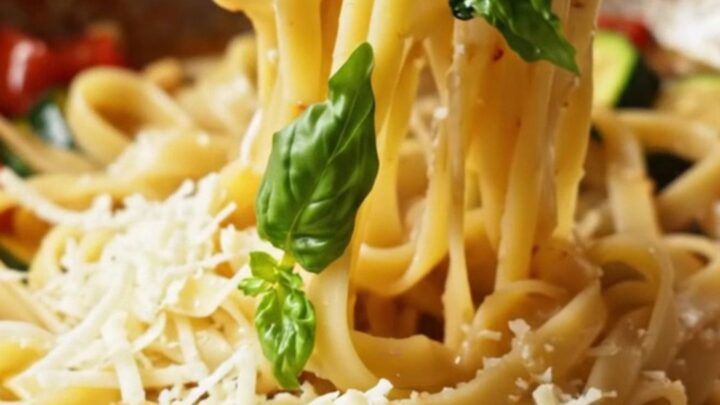
The pasta should be creamy and rich, with the cheese fully melted and the sauce clinging to every strand. The fresh basil adds a bright, peppery note that contrasts with the richness. The dish should look vibrant — red tomatoes, green zucchini, and white cheese against the golden pasta. Serve immediately while the cheese is still molten and stretchy.
Common mistakes
One common mistake is overcooking the vegetables until they turn mushy — sauté them just until caramelized and tender, about 5-7 minutes. Another is adding the cheese over high heat, which can cause it to become stringy or clump; always reduce the heat to low before adding the cheeses.
Skipping the starchy pasta water is also a pitfall — it’s essential for creating a silky sauce that clings to the pasta. Finally, don’t drain the pasta too thoroughly; a little residual water helps the sauce coat the noodles.
How to tell it’s done
The pasta is done when the tagliatelle is al dente — tender but with a slight bite — and the sauce is thick and creamy, coating each strand evenly. The mozzarella should be fully melted and stretchy, and the parmesan should be integrated into a glossy sauce.
When you lift a forkful, the cheese should pull into long ribbons. The vegetables should be soft and caramelized, with the tomatoes broken down into a chunky sauce. Taste and adjust seasoning with salt and pepper if needed.
Up next · Part 3 of 3
4 variations · storage & make-ahead · 5 answers · printable card
Tips, FAQ & printable recipe (Part 3)← Back to the ingredients (Part 1)