Dinner · Part 2 of 3: Instructions
One-Pan Roasted Tomato Shells with Melted Mozzarella Step-by-step instructions
- Prep
- Cook
- Total
- Serves
- 4
Before you start
Before starting, heat the oven to 425°F (220°C) and bring a kettle of water to a boil — you'll need 3 cups for the pasta.
Arrange the vegetables in a large oven-safe skillet or Dutch oven; if you don't have one, use a baking sheet for roasting and transfer the vegetables to a large pot for simmering. Have the pasta, mozzarella, and parsley measured and ready, as the cooking moves quickly once you start.
Ingredients at a glance (12)
- 2 lb ripe plum tomatoes, whole
- 2 sweet red peppers, whole
- 1 yellow onion, sliced
- 4 cloves garlic, peeled
- 1/4 cup extra virgin olive oil
- 1 tsp kosher salt
- 1 tsp dried oregano
- 12 oz conchiglie pasta (dry)
- 3 cups water
- 8 oz shredded mozzarella
- 1/4 cup fresh parsley, chopped
- black pepper, to taste
Instructions
Roast the Vegetables
- Roast the VegetablesHeat the oven to 425°F (220°C). In a large oven-safe skillet or Dutch oven, combine the whole plum tomatoes, whole red peppers, sliced onion, and garlic cloves. Drizzle with olive oil and sprinkle with salt and oregano. Toss to coat everything evenly.Look for The vegetables should be glossy with oil and spread in a single layer.Tip Leave the tomatoes and peppers whole — they burst and release juices as they roast.
- Roast Until BlisteredRoast for 20-25 minutes, stirring once halfway, until the tomatoes are blistered and the peppers are charred in spots. The onions should be soft and translucent, and the garlic fragrant.Look for The skins of the tomatoes will split and the peppers will soften and char.Tip If using a baking sheet, transfer the roasted vegetables to a skillet after roasting.
After roasting, the tomatoes should be blistered and split, the peppers soft and charred in spots, and the onions translucent and lightly caramelized. The garlic should be fragrant and golden.
The pan will have flavorful juices and browned bits on the bottom — these will add depth to the sauce. The vegetables should be tender enough to mash with a fork, but they'll stay whole until the pasta is added.
Simmer the Pasta
- Add Pasta and WaterRemove the skillet from the oven and place it over medium-high heat on the stovetop. Add the dry conchiglie pasta and the boiling water. Stir well to combine, scraping up any browned bits from the bottom of the pan.Look for The liquid should be bubbling around the pasta.Tip Use boiling water from a kettle to speed up the process.
- Simmer CoveredBring to a boil, then reduce the heat to low. Cover the skillet and simmer for 12-15 minutes, stirring occasionally, until the pasta is al dente and has absorbed most of the liquid. The sauce should be thick and clingy.Look for The pasta will be tender but still firm to the bite, and the sauce will coat the shells.Tip Stir gently to avoid breaking the shells.
- Fold in MozzarellaRemove the skillet from the heat. Add the shredded mozzarella and fold it into the pasta until it melts into a creamy, stretchy sauce. The cheese should be fully melted and glossy.Look for The cheese will pull into long strands as you fold.Tip Fold gently to keep the pasta intact and create that creamy texture.
As the pasta simmers, the liquid will reduce and turn into a glossy, tomatoey sauce. The shells will swell and absorb the flavor. The kitchen will smell richly of roasted tomatoes and oregano. The sauce should be thick enough to coat the back of a spoon, but still loose enough to bubble gently. Stir occasionally to prevent sticking, but don't overdo it.
Finish with Cheese
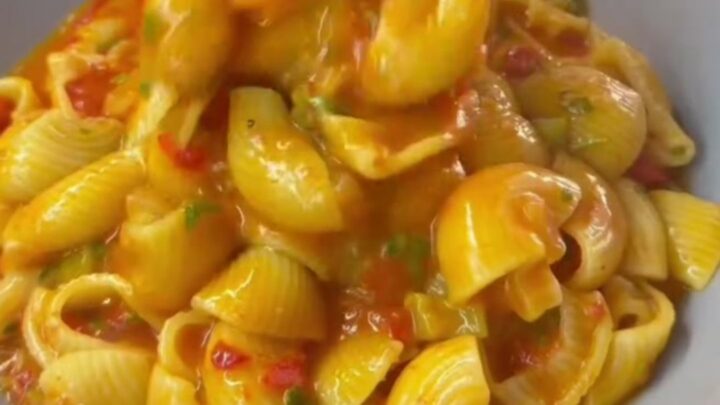
- Serve with Parsley and PepperSpoon the pasta into bowls. Sprinkle with chopped fresh parsley and a generous grind of black pepper. Serve hot.Look for The sauce should be thick and creamy, clinging to every shell.Tip For extra richness, drizzle with a little olive oil before serving.
After folding in the mozzarella, the pasta should be creamy and glossy, with long, stretchy strands of cheese when lifted. The cheese should be fully melted and evenly distributed. The parsley adds a fresh, green contrast, and the black pepper gives a subtle kick. The final dish should look inviting and rich, with every shell coated in a velvety sauce.
Common mistakes
One common mistake is stirring too vigorously, which can break the delicate shells. Use a gentle folding motion. Another is adding too much water — start with 3 cups and add more only if the pasta is still hard and the pan looks dry.
If the sauce becomes too thick before the pasta is cooked, add a splash of hot water. Don't skip the roasting step; it's what gives the sauce its deep, sweet flavor.
How to tell it’s done
The pasta is done when it's al dente — tender but still firm to the bite — and most of the liquid has been absorbed, leaving a thick, creamy sauce that coats each shell.
The mozzarella should be fully melted and stretchy, with no visible shreds. Taste a shell to check for seasoning; add salt if needed. The sauce should cling to the pasta rather than pooling at the bottom of the pan.
Up next · Part 3 of 3
4 variations · storage & make-ahead · 5 answers · printable card
Tips, FAQ & printable recipe (Part 3)← Back to the ingredients (Part 1)