Dinner · Part 3 of 3: Tips & recipe card
One-Pan Mongolian Turkey Noodle Bake Tips, FAQ & printable recipe
- Prep
- Cook
- Total
- Serves
- 4
Tips for success
For a deeper flavor, you can briefly sauté the ground turkey in a separate pan before adding it to the baking dish, though this is not required.
If choosing to do this, ensure the turkey is cooled slightly before assembling, and reduce the oven cooking time by about 5 minutes.
If you prefer a slightly charred finish, place the baking dish under the broiler for the final 2 minutes of cooking. Watch it closely to prevent the green onions from burning, as they will crisp up quickly and provide a wonderful contrast to the tender noodles.
Variations
- Spicy Mongolian Noodles: Add a tablespoon of chili garlic sauce or red pepper flakes to the broth before pouring it over the turkey and pasta for an extra kick of heat.
- Vegetable Boost: Incorporate sliced bell peppers or snap peas along with the green onions to add color and crunch to the final dish without changing the cooking time.
Storage and make-ahead
- Fridge
- Store in an airtight container in the refrigerator for up to 3 days.
- Freezer
- Freezing is not recommended as the texture of the pasta will degrade upon thawing.
- Reheat
- Reheat individual portions in the microwave until steaming hot throughout, or in an oven-safe dish at 350°F (175°C) until thoroughly warmed.
Transfer any leftovers to an airtight container. Allow the food to cool at room temperature for no more than 2 hours before placing it into the refrigerator.
This rapid cooling process is essential for maintaining food safety and preventing the growth of harmful bacteria. Once properly cooled and sealed, the dish will keep well for up to three days, though the pasta may continue to absorb the sauce over time.
While this dish is best served fresh, you can assemble the components in the baking dish a few hours before baking.
Cover tightly with foil and keep in the refrigerator until ready to cook. Add a few extra minutes to the cooking time to account for the chilled temperature of the ingredients.
Serving ideas
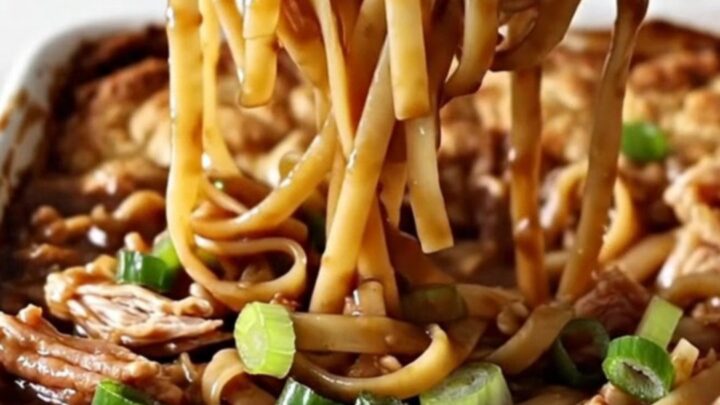
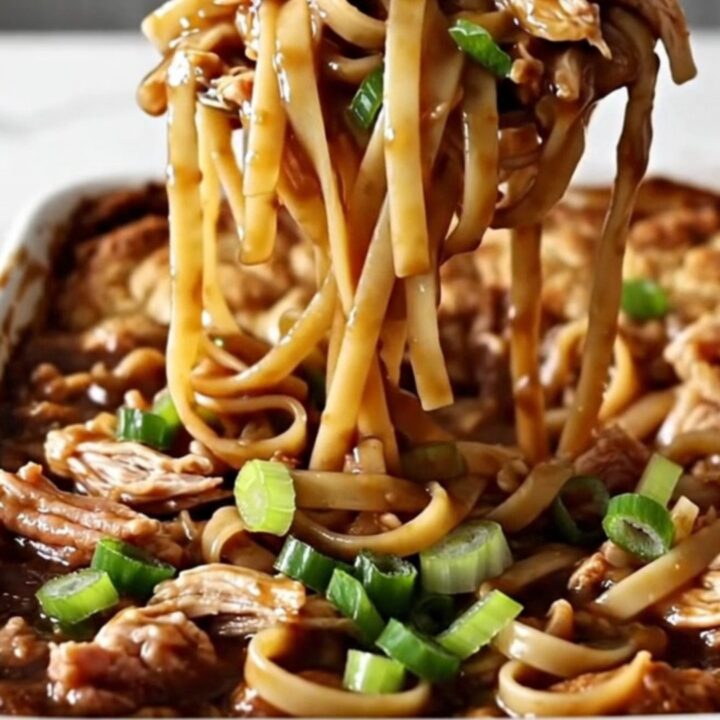
Serve the noodle bake directly from the baking dish for a casual, family-style presentation. Use a large spoon to scoop portions, ensuring that everyone receives a balanced mix of turkey crumbles, tender linguine, and the thickened soy garlic sauce at the bottom of the dish.
Pair this meal with a side of steamed vegetables or a crisp, light salad to contrast the rich, savory profile of the noodles.
The freshness of a side dish complements the deeper, umami-forward flavors of the Mongolian-inspired sauce, creating a well-rounded dining experience for everyone at the table.
Frequently asked questions
Can this dish be made with a different type of pasta?
What is the best way to ensure the turkey cooks through?
Why does the pasta need to be broken in half?
One-Pan Mongolian Turkey Noodle Bake
Ingredients
- 8 oz linguine, broken in half
- 1 lb ground turkey
- 2 cups soy garlic broth
- 1/4 cup green onions, sliced
Instructions
- Place the broken linguine into the bottom of a large rectangular baking dish. Evenly distribute the raw ground turkey over the pasta layer, breaking it into small crumbles with fingers to ensure uniform cooking throughout the bake.
- Pour the soy garlic broth from a small pitcher over the pasta and turkey until the liquid just covers the ingredients. Sprinkle the sliced green onions evenly across the top to infuse the sauce with brightness during the baking process.
- Bake in a preheated oven at 375°F (190°C) until the sauce is bubbling and the ground turkey reaches an internal temperature of 165°F (74°C). Remove from the oven and let the dish rest for 5 minutes before serving.
Estimated nutrition per serving
- Calories
- 420
- Protein
- 28.5 g
- Carbohydrates
- 52 g
- Fat
- 10.5 g
- Fiber
- 2.5 g
- Sugar
- 4 g
- Sodium
- 850 mg
Next recipe

Easy Slow Cooker Margarita Chicken Thighs
See the recipe → →This recipe is based on a short cooking video and is published under the pen name Clara Weller. It was checked before publication, but errors can slip through. Nutrition, when shown, is an estimate. Read more in our editorial policy and on our food safety page.
More recipes to try
Slow Cooker Hot Honey Lemon Pepper Chicken Wings
Total time: 4 h 15 min
Slow Cooker Ground Pork and Pinto Bean Chili
Total time: 6 h 10 min
Slow Cooker Herb Cheese Turkey Meatballs and Carrots
Total time: 4 h 10 min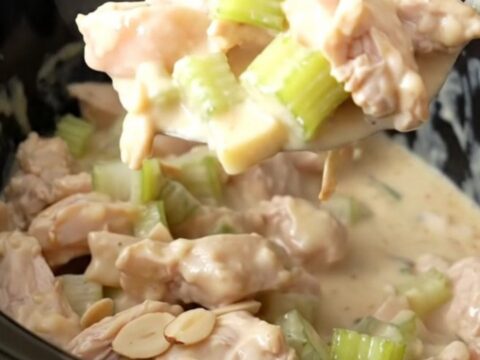
Creamy Almond Chicken Slow Cooker Recipe
Total time: 4 h 15 min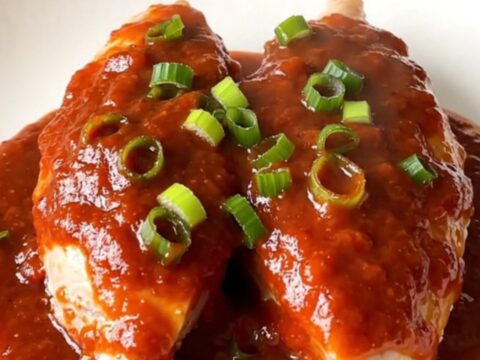
Easy Slow Cooker Gochujang Turkey Tenderloin
Total time: 4 h 15 min