Dinner · Part 3 of 3: Tips & recipe card
One-Pan Mini Meatball and Shell Pasta Tips, FAQ & printable recipe

- Prep
- Cook
- Total
- Serves
- 4
Tips for success
For the best texture, use freshly shredded mozzarella. It melts more smoothly than pre-shredded varieties.
If you want a golden, bubbly top without broiling, you can cover the skillet with a lid for a few extra minutes—the trapped steam will help the cheese melt evenly. For an extra touch, garnish with fresh basil or parsley just before serving, if you have it on hand.
If you prefer a looser sauce, add an extra 1/4 cup of broth or water when you add the liquids. Conversely, if you like a thicker, more concentrated sauce, simmer uncovered for a few extra minutes after the pasta is done.
Adjust the seasoning to your taste—some like a bit more oregano or a pinch of sugar to balance the acidity of the tomatoes.
Variations
- Spicy Arrabbiata: Add 1/2 teaspoon of red pepper flakes with the oregano for a spicy kick. Use a spicy marinara or add a teaspoon of hot sauce to the sauce mixture for extra heat.
- Turkey Meatballs: Swap the ground beef for ground turkey (93% lean). Cook to an internal temperature of 165°F (74°C) and adjust the seasoning with a little garlic powder for flavor.
- Cheesy Herb Topping: Mix 1/4 cup grated Parmesan with the mozzarella before sprinkling over the top. Add a sprinkle of dried basil or Italian seasoning along with the cheese for extra herb flavor.
- Veggie-Packed: After searing the meatballs, add 1 cup of sliced mushrooms or bell peppers and cook for 2 minutes before adding the pasta and liquids. This adds extra vegetables and flavor.
Storage and make-ahead
- Fridge
- Store leftovers in an airtight container in the fridge for up to 3 days. Add a splash of broth when reheating to restore the sauce's consistency.
- Freezer
- The dish can be frozen for up to 2 months. Cool completely, then transfer to a freezer-safe container. Thaw overnight in the fridge before reheating.
- Reheat
- Reheat in a covered skillet over medium-low heat, stirring occasionally, until heated through. Add a little broth or water if the sauce has thickened too much.
Leftovers can be stored in an airtight container in the refrigerator for up to 3 days. The pasta will continue to absorb sauce as it sits, so you may want to add a splash of water or broth when reheating to loosen it up.
Reheat gently on the stovetop or in the microwave until heated through. The cheese will re-melt nicely, though it may not be as stretchy as the first time.
You can roll the meatballs a day ahead and keep them covered in the refrigerator until ready to sear.
The dish itself is best made fresh, but you can also assemble the entire dish (without the cheese) up to a day ahead, then reheat and add the cheese before serving. If reheating from the fridge, add a splash of broth to restore the sauce consistency.
Serving ideas
Serve the pasta hot, straight from the skillet, with a generous scoop of the molten mozzarella on top. It's a complete meal on its own, but you can pair it with a simple green salad or some crusty bread to soak up any extra sauce. For a family-style dinner, place the skillet in the center of the table and let everyone serve themselves.
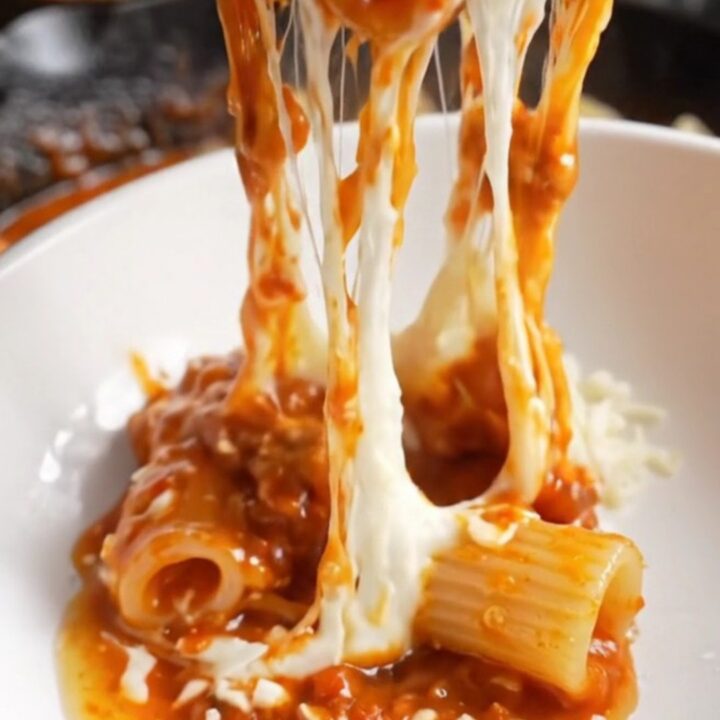
The cheese pull is the star of the show, so serve immediately while the cheese is still stretchy. If you have leftovers, they make a great lunch the next day—just reheat gently. This dish is hearty and satisfying, perfect for a cozy weeknight dinner or a casual get-together with friends.
Frequently asked questions
Can this recipe be made gluten-free?
Can the meatballs be made ahead of time?
What if the pasta absorbs too much liquid?
Can this dish be made in a slow cooker?
How do you get a good cheese pull?
One-Pan Mini Meatball and Shell Pasta
Ingredients
- 1 lb ground beef (80/20)
- 1 tsp kosher salt
- 1 tsp dried oregano
- 1/2 tsp black pepper
- 2 tbsp olive oil
- 300 g uncooked pipe rigate pasta
- 2 cups marinara sauce
- 2 cups beef broth
- 1 1/2 cups shredded mozzarella cheese
Instructions
- In a mixing bowl, combine the ground beef, kosher salt, oregano, and black pepper. Mix gently with your hands until just combined, being careful not to overwork the meat. Roll the mixture into small, bite-sized meatballs, about 1 inch in diameter. You should get roughly 20 to 24 mini meatballs.
- Heat the olive oil in a large skillet over medium-high heat until shimmering. Add the mini meatballs in a single layer, being careful not to crowd the pan. Sear for 4 to 5 minutes, turning occasionally, until deeply browned and caramelized on all sides. The meatballs do not need to be cooked through at this point.
- Add the uncooked pipe rigate pasta to the skillet, along with the marinara sauce and beef broth. Stir everything together, scraping up any browned bits from the bottom of the pan. Bring the liquid to a simmer, then reduce the heat to medium-low, cover, and let it cook for 12 minutes, or until the pasta is tender and has absorbed most of the liquid.
- Uncover the skillet and give the pasta and meatballs a good stir, tossing everything so the glossy tomato sauce coats every nook and cranny of the shells. The sauce should cling to the pasta and meatballs. Cook for another 1 to 2 minutes, uncovered, if needed to thicken the sauce to your liking.
- Sprinkle the shredded mozzarella evenly over the top of the pasta and meatballs. Cover the skillet and let it sit over low heat for 2 to 3 minutes, until the cheese is completely melted and gooey. If you prefer a browned top, place the skillet under the broiler for 1 to 2 minutes, watching closely.
- Scoop the pasta and meatballs into serving bowls, making sure to get a generous amount of melted cheese on top. Serve hot, and enjoy the stretchy cheese pull with every bite.
Estimated nutrition per serving
- Calories
- 620
- Protein
- 32 g
- Carbohydrates
- 58 g
- Fat
- 28 g
Next recipe

Crispy Honey BBQ Chicken Tenders with Creamy BBQ Dip
See the recipe → →This recipe is based on a short cooking video and is published under the pen name Clara Weller. It was checked before publication, but errors can slip through. Nutrition, when shown, is an estimate. Read more in our editorial policy and on our food safety page.
More recipes to try
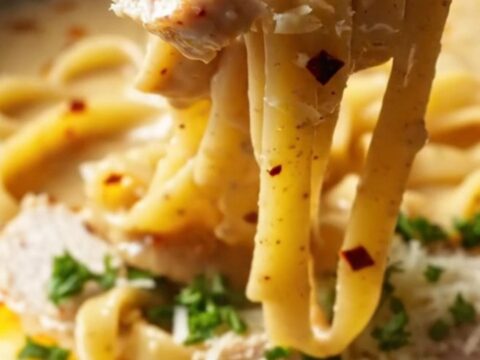
Spicy Chili Crisp Chicken Alfredo
Total time: 30 min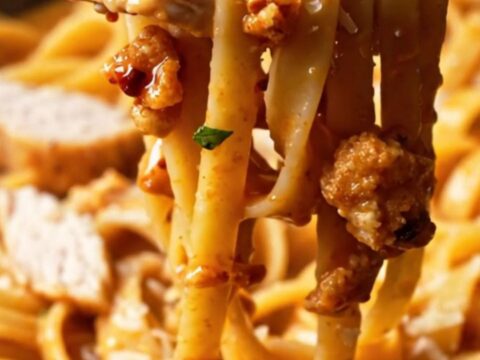
Spicy Chili Crisp Fettuccine Alfredo with Seared Chicken
Total time: 35 min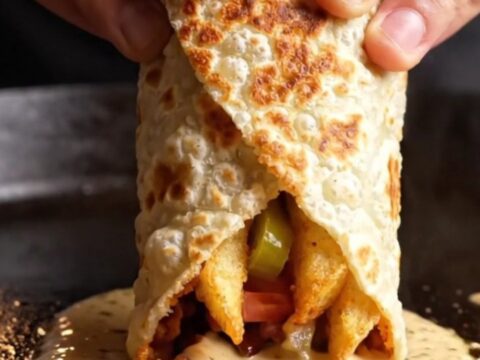
Crispy Chicken Shawarma Wrap with Garlic Sauce
Total time: 1 h 45 min
Crispy Chicken Shawarma Wrap with Garlic Sauce
Total time: 1 h 45 min
Crispy Chicken Shawarma Wrap with Garlic Toum and Pomegranate Glaze
Total time: 45 min