Dinner · Part 2 of 3: Instructions
One-Pan Turkish Beef Meatballs with Melted Kashar Cheese Step-by-step instructions
- Prep
- Cook
- Total
- Serves
- 4
Before you start
Before starting, prep all the vegetables: slice the eggplants into thick cylinders, slice the onions, tomatoes, and green peppers. Grate the onion and mince the garlic for the meatballs. Measure out the spices, breadcrumbs, and salt.
Shred the kashar cheese if not already shredded. Have a large skillet or cast-iron pan ready, along with a lid that fits. The entire dish cooks in one pan, so having all components prepped and within reach makes the process smooth and stress-free.
Ingredients at a glance (12)
- 2 medium eggplants, sliced into thick cylinders
- 3 tbsp olive oil
- 2 medium onions, sliced
- 2 medium tomatoes, sliced
- 2 medium green peppers, sliced
- 400 g ground beef (80% lean)
- 1/2 medium onion, grated
- 2 cloves garlic, minced
- 1 tsp ground cumin
- 1/4 cup plain breadcrumbs
- 1 tsp salt
- 1 1/2 cups shredded Turkish kashar cheese
Instructions
Sear and Prep
- Prepare and Sear the VegetablesSlice the eggplants into thick cylinders, about 1-inch thick. Slice the onions, tomatoes, and green peppers into similar-sized pieces. Heat the olive oil in a large skillet over medium-high heat. Add the eggplant, onion, tomato, and green pepper, and cook, stirring occasionally, until the vegetables are tender and lightly browned, about 8 minutes. Season with a pinch of salt.Look for The eggplant should be golden and soft, the onions translucent, and the peppers slightly charred.Tip Don't overcrowd the skillet; cook in batches if needed to get a good sear.
- Make the Meatball MixtureWhile the vegetables cook, combine the ground beef, grated onion, minced garlic, ground cumin, breadcrumbs, and salt in a mixing bowl. Mix with your hands until just combined, being careful not to overwork the meat. Form into small meatballs, about 1 inch in diameter.Look for The mixture should hold together easily but still be tender.Tip Wet your hands slightly to prevent the meat from sticking when forming the meatballs.
The vegetables should be tender and lightly browned, with the eggplant soft and golden. The meatball mixture should be well combined but not overworked, and the meatballs should be formed and ready to brown. The skillet should be hot and ready for the meatballs.
Brown and Melt
- Brown the MeatballsPush the cooked vegetables to the sides of the skillet, creating a well in the center. Add the meatballs in a single layer and cook, turning occasionally, until browned on all sides, about 5 minutes. The meatballs do not need to be cooked through at this point.Look for The meatballs should have a nice brown crust on all sides.Tip If the skillet seems dry, add a splash of water or broth to prevent sticking.
- Add the Cheese and MeltSprinkle the shredded kashar cheese evenly over the entire skillet, covering the meatballs and vegetables. Cover the skillet with a lid and let the cheese melt, about 3 minutes, until completely bubbly and melted.Look for The cheese should be fully melted and bubbling around the edges.Safe temperature 160°F (71°C) internal temperature (ground meat)Tip Use a low heat to prevent the cheese from burning before it melts.
The meatballs should be browned on all sides with a nice crust. The cheese should be completely melted and bubbly, covering the entire skillet. The dish should be fragrant with the aroma of seared beef and melted cheese.
Serve and Enjoy
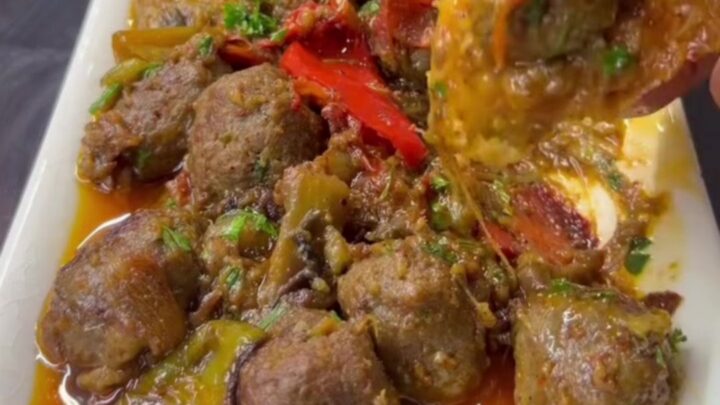
- Finish and ServeOnce the cheese is melted and the meatballs are cooked through (internal temperature reaches 160°F / 71°C), remove the skillet from the heat. Let it rest for a minute, then use a spatula to scoop out portions, pulling the cheese into long strands. Serve immediately.Look for The cheese should stretch when pulled, and the meatballs should be juicy and fully cooked.Safe temperature 160°F (71°C) internal temperature (ground meat)Tip For the best cheese pull, serve immediately while the cheese is still hot and stretchy.
The meatballs are cooked through, the cheese is molten and stretchy, and the vegetables are perfectly tender. The dish is ready to be scooped out and served immediately, with the cheese pulling into long, satisfying strands.
Common mistakes
A common mistake is overcrowding the skillet when browning the meatballs, which causes them to steam instead of sear. Cook them in a single layer, and if necessary, do it in two batches. Another pitfall is burning the cheese by using too high heat; keep the heat low to medium when melting.
Also, be careful not to overmix the meatball mixture, as that leads to dense, tough meatballs. Finally, don't skip the step of covering the skillet with a lid—this traps steam and helps the cheese melt evenly.
How to tell it’s done
The dish is done when the meatballs are cooked through and reach an internal temperature of 160°F (71°C) on an instant-read thermometer. The cheese should be fully melted and bubbling, with a golden-brown top.
The vegetables should be tender, especially the eggplant, which should be soft and easily pierced with a fork.
The sauce from the tomatoes should be slightly thickened, coating the vegetables and meatballs. Let the skillet rest for a minute before serving to allow the cheese to set slightly.
- Ground meat: 160°F (71°C) in the thickest part
Up next · Part 3 of 3
4 variations · storage & make-ahead · 5 answers · printable card
Tips, FAQ & printable recipe (Part 3)← Back to the ingredients (Part 1)