Dinner · Part 1 of 3: Ingredients
One-Pan Italian Sausage Skillet Lasagna
- Prep
- Cook
- Total
- Serves
- 6
This one-pan skillet lasagna transforms a labor-intensive classic into a quick and easy weeknight meal. By cooking the noodles directly in the sauce, you save time and cleanup while ensuring every bite is infused with savory flavor and comforting textures.
It is the perfect solution for busy evenings when you crave something hearty and homemade without the traditional fuss of boiling pasta separately or layering a baking dish.
Lasagna is a beloved comfort food, but the traditional method requires multiple pots, pans, and extensive oven time. This innovative one-pan approach simplifies the process by combining ground Italian sausage, aromatic onions, and garlic with a rich tomato sauce.
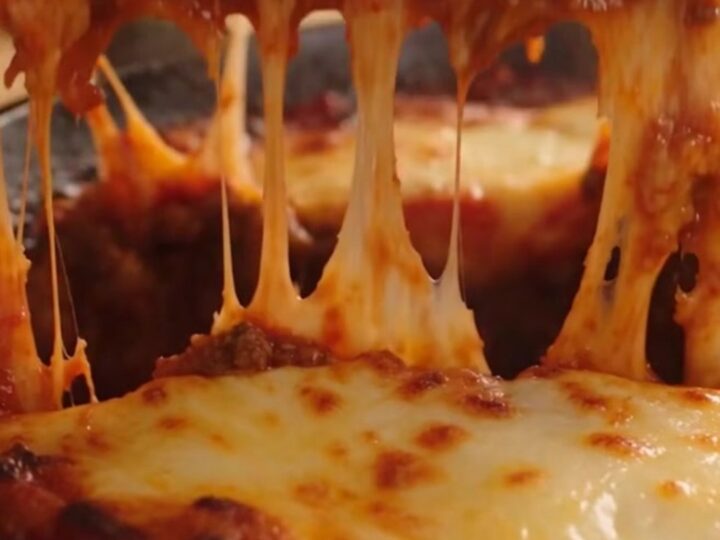
Once the sauce is established, dry noodles are added directly to the skillet, absorbing the liquid and seasoning as they cook. The dish is finished with creamy ricotta and a golden crust of melted mozzarella and parmesan, resulting in a restaurant-quality meal prepared entirely in one cast-iron skillet.
Ingredients
Base
- 2 tbsp extra virgin olive oil
- 500 grams ground Italian sausage
- 1 yellow onion, finely diced
- 3 garlic cloves, minced
Sauce
- 2 cups crushed San Marzano tomatoes
- 2 tbsp tomato paste
- 1 tsp dried oregano
- 1 tsp sea salt
- 2 cups chicken broth
Pasta
- 8 oz dry lasagna noodles, broken into 2-inch pieces
Topping
- 1 cup whole-milk ricotta
- 2 cups shredded low-moisture mozzarella
- 1/2 cup grated parmesan
Garnish
- Fresh torn basil, for serving
Why this recipe works
The one-pan method relies on starch release from the noodles to naturally thicken the sauce as they cook. This process creates a cohesive, velvety consistency that coats every piece of pasta perfectly, ensuring that no flavor is lost in the cooking water.
Because the noodles simmer directly in the seasoned broth and tomato mixture, they absorb much more flavor than they would in plain salted water.
Using a cast-iron skillet provides excellent heat retention, which is essential for browning the sausage effectively and maintaining a consistent simmer. The heavy material also allows for a seamless transition from the stovetop to the broiler.
This efficiency minimizes cleanup and concentrates the heat, ensuring the cheese topping achieves a perfect, blistered finish in just a few minutes, replicating the texture of a traditional oven-baked lasagna.
Notes and substitutions
For the best results, use a high-quality ground Italian sausage, as the fat and spices are crucial to the flavor of the base. If you prefer a milder taste, choose sweet Italian sausage, or opt for hot Italian sausage if you enjoy a bit of spice. The quality of the crushed San Marzano tomatoes also significantly impacts the overall depth of the sauce, so choose a brand that is vibrant and flavorful.
A large, seasoned cast-iron skillet is the ideal tool for this recipe. If you do not have one, a large oven-safe stainless steel skillet will work, provided it is deep enough to hold the liquid and pasta. Ensure the broiler is preheated before moving the skillet to the oven to guarantee the cheese melts and bubbles quickly without overcooking the pasta underneath.
- Chicken broth: Beef or vegetable broth for a deeper or lighter flavor profile.
- Whole-milk ricotta: Cottage cheese blended until smooth if a lighter texture is preferred.
Equipment
- Large cast-iron skillet
- Chef knife
- Cutting board
- Serving spatula
Up next · Part 2 of 3
3 steps · 30 min of cooking · what to look for at each stage
Step-by-step instructions (Part 2)