Dinner · Part 2 of 3: Instructions
One-Pan Cheesy Eggplant Pasta with Fresh Basil Step-by-step instructions
- Prep
- Cook
- Total
- Serves
- 4
Before you start
Before starting, gather all ingredients and equipment. Cut the eggplants into cylindrical halves, about 2 inches thick, and place them in the skillet. Rinse the tomatoes, bell pepper, and red onion. Peel the onion if desired, but leave the tomatoes and pepper whole.
Measure the olive oil and water. Have the pasta and boiling water ready to add later. Shred the mozzarella if using a block, and pick the basil leaves from the stems. A large skillet with a tight-fitting lid is essential for steaming.
Ingredients at a glance (10)
- 2 eggplants, cut into cylindrical halves
- 3 whole ripe tomatoes
- 1 whole red bell pepper
- 1 peeled red onion
- 1/4 cup olive oil
- 1/2 cup water
- 250 g pipe rigate shell pasta
- 1 cup boiling water
- 1/2 cup fresh basil leaves
- 1 cup shredded mozzarella cheese
Instructions
Steam the Vegetables
- Prepare the VegetablesCut the eggplants into cylindrical halves, about 2 inches thick. Leave the tomatoes, bell pepper, and red onion whole but peeled if desired. Heat the olive oil in a large skillet over medium heat. Add the eggplant, tomatoes, bell pepper, and onion to the skillet, then pour in the 1/2 cup water. Cover with a glass lid and bring to a gentle simmer.Look for The vegetables should be arranged in a single layer and the liquid should begin to bubble gently.Tip Choose eggplants that are firm and glossy for the best texture after steaming.
- Steam Until TenderCover the skillet and let the vegetables steam for 12 minutes, or until they are tender when pierced with a fork. The tomatoes and bell pepper should soften and their skins will loosen. Remove the lid and use culinary tweezers or tongs to peel away the loose skins from the tomatoes and bell pepper. Discard the skins.Look for The vegetables should be soft but not falling apart, and the skins should slip off easily.Tip Peeling the skins is optional but gives a smoother sauce; leave them if preferred.
After the steaming phase, the vegetables should be tender and fragrant. The eggplant will have softened and taken on a creamy texture, while the tomatoes and bell pepper will have released their juices, creating a light broth.
The skins of the tomatoes and pepper should be loose and easy to peel off. The skillet should still have some liquid at the bottom, which will later become the sauce.
Cook the Pasta in the Skillet
- Add the PastaAdd the pipe rigate shell pasta directly into the skillet with the vegetables. Pour in the 1 cup boiling water. Stir everything together to combine. The pasta will cook in the flavorful vegetable juices and water.Look for The pasta should be submerged in the liquid; if not, add a splash more hot water.Tip Using boiling water speeds up the cooking and helps the pasta soften evenly.
- Cook and StirCook the pasta, stirring frequently, for about 8 to 10 minutes, or until al dente. The pasta will absorb the sauce and become creamy as it releases starch. If the mixture becomes too dry before the pasta is done, add a little more hot water, 1/4 cup at a time.Look for The pasta should be tender but still have a slight bite, and the sauce should cling to the shells.Tip Stirring often prevents sticking and helps the pasta cook evenly.
During this phase, the pasta will absorb the vegetable broth and swell as it cooks. The mixture will become thicker and more cohesive, with the shells coated in a savory, slightly chunky sauce. The aroma of cooked vegetables and pasta fills the kitchen. Stir frequently to ensure the pasta cooks evenly and does not stick to the bottom of the pan.
Melt the Cheese and Serve
- Finish with Basil and MozzarellaRemove the skillet from the heat. Stir in the fresh basil leaves and the shredded mozzarella cheese until the cheese is melted and gooey. The residual heat will melt the cheese without overcooking the basil. Taste and adjust seasoning with salt and pepper if desired.Look for The mozzarella should be fully melted and stretchy, and the basil should be wilted but still bright green.Tip Adding the cheese off the heat keeps it creamy and prevents it from becoming stringy.
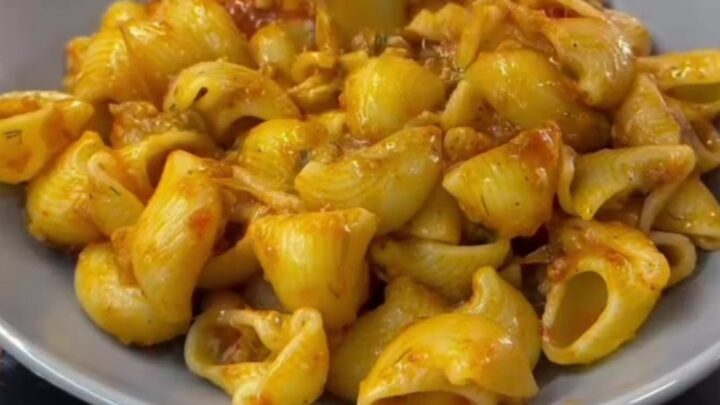
- Serve ImmediatelyScoop the cheesy vegetable pasta into bowls or onto plates. Serve hot, with extra fresh basil or a drizzle of olive oil if desired. The dish is best enjoyed right away while the cheese is gooey and the pasta is warm.Look for The pasta should be glossy and the cheese should stretch when lifted.Tip For a richer finish, add a pat of butter or a sprinkle of black pepper before serving.
The final phase transforms the dish into a creamy, indulgent meal. As the mozzarella melts, it creates glossy strands that stretch with each stir. The fresh basil adds a bright, herbal note that contrasts with the rich cheese. The finished pasta should be hot, with the cheese gooey and the basil still green. Serve immediately for the best texture.
Common mistakes
One common mistake is overcrowding the skillet, which can cause the vegetables to steam unevenly. Use a large enough pan to fit everything in a single layer. Another pitfall is not covering the skillet properly during steaming, which lets the liquid evaporate too quickly.
Keep the lid on and maintain a gentle simmer. When adding the pasta, be sure to stir frequently to prevent sticking. Finally, do not overcook the pasta; it should remain al dente and not become mushy.
How to tell it’s done
The vegetables are done when they are tender and easily pierced with a fork, after about 12 minutes of steaming. The pasta is cooked when it is al dente, meaning it has a slight bite but is not hard in the center.
The sauce should be thick enough to coat the back of a spoon, and the cheese should be fully melted and stretchy. Taste and adjust seasoning with salt and pepper. If the pasta is still too firm after the liquid has been absorbed, add a splash of hot water and continue cooking until tender.
Up next · Part 3 of 3
4 variations · storage & make-ahead · 5 answers · printable card
Tips, FAQ & printable recipe (Part 3)← Back to the ingredients (Part 1)