Dinner · Part 1 of 3: Ingredients
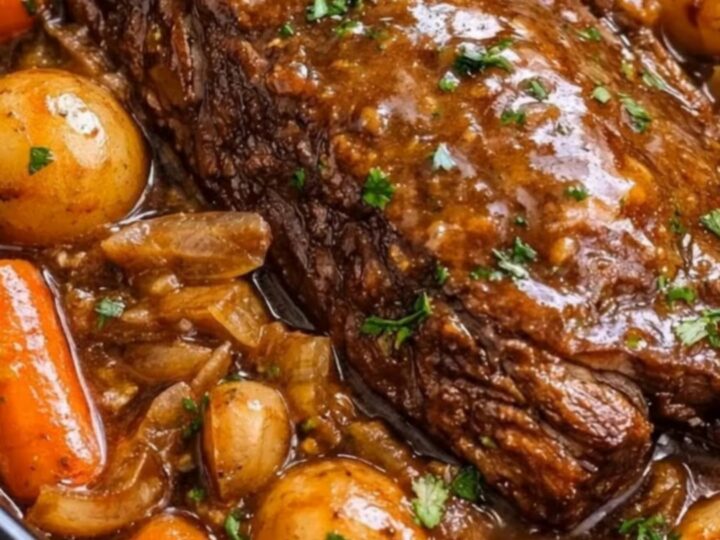
Old-Fashioned Slow Cooker Pot Roast with Tender Vegetables
- Prep
- Cook
- Total
- Serves
- 6
Discover the secret to achieving the perfect, fall-apart tender pot roast using only your slow cooker and a few simple, wholesome ingredients. This classic method yields incredible results every single time, turning an economical cut of beef into a luxurious, comforting meal that fills the house with a mouthwatering aroma. It is the ultimate solution for busy days when you want to return home to a dinner that is already prepared, simmering, and waiting for you to enjoy.
This old-fashioned pot roast recipe emphasizes the beauty of slow cooking, where time and gentle heat do all the heavy lifting. By combining a hearty beef chuck roast with fresh baby potatoes and carrots, you create a complete dinner in one pot.
The beef broth creates a savory, rich gravy that infuses the vegetables with deep flavor, ensuring every bite is succulent and satisfying. Whether you are hosting a family gathering or simply looking for a reliable weeknight staple, this recipe delivers consistent, restaurant-quality results with minimal active preparation.
Ingredients
Main
- 3 lb beef chuck roast
Vegetables
- 1 lb baby potatoes, scrubbed
- 1 lb carrots, peeled and cut into chunks
Liquid
- 2 cups beef broth
Why this recipe works
The slow cooker method works by maintaining a consistent, low temperature over several hours, which is ideal for tougher cuts of meat like chuck roast.
This process allows the collagen and connective tissues within the beef to slowly break down and melt, transforming the meat into a tender, buttery texture that practically falls apart upon contact with a fork. It is a foolproof technique that guarantees moisture retention without the risk of overcooking or drying out the beef.
Using a slow cooker also facilitates the development of a complex, deep flavor profile. As the beef, potatoes, and carrots cook together in the broth, the juices from the meat combine with the natural sweetness of the root vegetables.
This creates a natural, flavorful reduction that serves as a rich gravy. Because the ingredients remain sealed in the pot, the aromatic compounds are trapped and infused back into the food, resulting in a depth of flavor that is difficult to achieve with faster cooking methods.
Notes and substitutions
When selecting a beef chuck roast, look for a piece with good marbling. The visible intramuscular fat is crucial because it renders during the long cooking time, providing the necessary moisture and richness that defines a great pot roast. While other cuts like bottom round can be used, they are leaner and may not achieve the same level of melt-in-your-mouth tenderness as the chuck, which is specifically prized for its high connective tissue content and flavor.
The choice of equipment is straightforward, though a standard 6-quart slow cooker is ideal for this quantity of ingredients. If you find that the beef is not fully submerged, you can add a small amount of additional broth or water, but be careful not to overfill the pot.
For the vegetables, keeping them in larger chunks helps them maintain their structure and prevents them from turning into mush during the extended eight-hour cooking cycle, ensuring they remain firm enough to be served alongside the beef.
- beef chuck roast: a beef brisket or bottom round roast works well for long, slow cooking
- beef broth: use vegetable broth or water with a dash of soy sauce for a different flavor profile
Equipment
- Slow cooker
- Tongs
- Cutting board
- Chef knife
Up next · Part 2 of 3
3 steps · 8 h of cooking · what to look for at each stage
Step-by-step instructions (Part 2)