Desserts · Part 2 of 3: Instructions
Molten Dark Chocolate Fudge Lava Cake Step-by-step instructions
- Prep
- Cook
- Total
- Serves
- 4
Before you start
Before starting, measure out all ingredients. Chop the dark chocolate bar into coarse chunks and grate the coverture chocolate. Butter the ramekins thoroughly. Preheat the oven to 425°F (220°C). Have the spouted pitcher and sift ready.
The batter comes together quickly, so having everything in place ensures smooth preparation. Melt the chocolate and butter gently, either over a double boiler or in short bursts in the microwave, stirring until smooth. Set aside to cool slightly while whisking the eggs.
Ingredients at a glance (10)
- 6 oz dark chocolate bar (70% cacao), chopped
- 2 oz dark coverture chocolate, grated
- 1/2 cup unsalted butter, plus more for ramekins
- 3 large eggs
- 2 large egg yolks
- 1/4 cup granulated sugar
- 1 tsp vanilla extract
- 1/4 tsp salt
- 1/4 cup all-purpose flour
- powdered sugar, for dusting, to taste
Instructions
Make the Batter
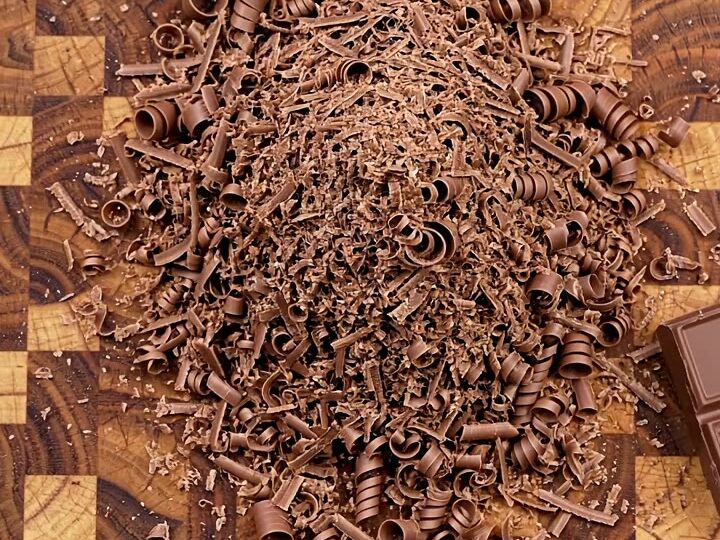
- Prepare the Chocolate and BatterCoarsely chop the dark chocolate bar into glossy chunks. Grate the dark coverture chocolate on a box grater into a fresh pile. Place both chocolates in a heatproof bowl with the butter and melt gently over a pot of simmering water, stirring until smooth. Set aside to cool slightly.Look for The chocolate is melted and glossy, with no lumps.Tip Chop the chocolate into even pieces so it melts uniformly.
- Whisk Eggs and SugarIn a separate bowl, whisk the eggs, egg yolks, granulated sugar, vanilla extract, and salt until well combined and slightly thickened. The mixture should be smooth and pale.Look for The egg mixture is frothy and lighter in color.Tip Whisk vigorously to incorporate air; this helps the cakes rise slightly.
- Combine and Add FlourSlowly pour the melted chocolate mixture into the egg mixture, stirring constantly. Gently fold in the all-purpose flour until just combined. The batter should be thick and glossy.Look for The batter is uniform, thick, and has a mirror-like shine.Tip Do not overmix after adding flour; overmixing can make the cakes tough.
- Transfer to PitcherPour the batter into a spouted glass batter pitcher for easy pouring. This step ensures clean and even filling of the ramekins.Look for The batter flows slowly and smoothly from the pitcher.Tip A pitcher with a spout helps avoid drips and mess.
The batter should be thick, glossy, and smooth, with no lumps of chocolate or flour. It should pour easily from the pitcher. The chocolate is melted and fragrant, and the egg mixture is pale and slightly thickened.
The batter has a rich, deep chocolate aroma and a shiny, mirror-like surface. It should be uniform in color and texture, ready to fill the ramekins.
Bake Until Set
- Prepare RamekinsButter the ramekins or molds thoroughly, making sure to coat the bottom and sides. This prevents sticking and helps the cakes release cleanly.Look for The ramekins are evenly coated with butter.Tip Use a pastry brush to reach all corners.
- Fill RamekinsPour the batter evenly into the prepared ramekins, filling each about three-quarters full. Smooth the tops with a spatula if needed.Look for The ramekins are filled evenly to the same level.Tip Wipe any drips from the rims for a clean bake.
- Bake the CakesPlace the ramekins on a baking sheet and bake in a preheated 425°F (220°C) oven until the edges are set but the centers are still soft, about 12 minutes. The cakes should look slightly puffed and the tops should be just set.Look for The edges look firm, while the center jiggles slightly (but not runny).Safe temperature 160°F (71°C) internal temperature (egg dishes)Tip Bake time may vary; start checking at 10 minutes. The center should be soft but not liquid.
The cakes are puffed slightly at the edges, and the tops are set but the centers are still soft. The kitchen smells intensely of chocolate. The edges look firm, and a toothpick inserted near the edge comes out mostly clean. The center should have a slight jiggle, not a liquid wobble. The cakes should not be browned on top; they should remain glossy and dark.
Unmold and Serve
- Cool Slightly and UnmoldLet the cakes cool in the ramekins for 1 minute. Run a thin knife around the edges to loosen, then invert each ramekin onto a serving plate. The cakes should release easily.Look for The cakes release cleanly and hold their shape.Tip Do not let them cool too long or the centers will set completely.
- Dust with Powdered SugarUsing a small metal sift, dust the warm cakes generously with powdered sugar, creating a snowy finish. The contrast of white sugar against the dark crumb is part of the appeal.Look for An even, snowy layer of sugar covers the top.Tip Dust just before serving so the sugar doesn't melt.
- Serve WarmServe the cakes immediately while warm. When cut into, the rich dark chocolate center should flow out like lava. Enjoy the contrast of the glossy, fudgy cake and the snowy sugar.Look for The center flows slowly and is glossy.Tip Use a spoon to scoop the molten center with the cake.
The cakes release cleanly from the ramekins, holding their shape. The powdered sugar creates a snowy white contrast against the dark cake. When cut into, the center flows out slowly, glossy and molten. The texture is fudgy with a crisp exterior. Serve immediately while warm for the best experience.
Common mistakes
Overbaking is the most common mistake, turning the molten center into a solid cake. Start checking at 10 minutes and rely on the jiggle test. Underbaking can cause the cake to collapse when unmolded, so aim for a set edge and a soft center. Using low-quality chocolate can result in a dull, less flavorful cake.
Not buttering the ramekins enough can cause sticking. Letting the cakes cool too long before unmolding will set the center, so work quickly. Finally, do not overmix the batter after adding flour, as this can develop gluten and make the cakes tough.
How to tell it’s done
The cakes are done when the edges are set and the tops look slightly puffed, but the centers still have a slight jiggle. Insert a toothpick into the edge; it should come out mostly clean, but the center should be soft.
The internal temperature should reach 160°F (71°C) for the eggs to be fully cooked through. If the centers look too runny, bake for another minute. Let them cool for exactly 1 minute before unmolding, as this helps the cakes hold their shape while keeping the center molten.
- Egg dishes: 160°F (71°C) in the thickest part
Up next · Part 3 of 3
4 variations · storage & make-ahead · 5 answers · printable card
Tips, FAQ & printable recipe (Part 3)← Back to the ingredients (Part 1)