Desserts · Part 3 of 3: Tips & recipe card
Moist Glazed Lemon Loaf Cake with Fresh Lemon Zest Tips, FAQ & printable recipe

- Prep
- Cook
- Total
- Serves
- 10
Tips for success
For the moistest crumb, measure the flour correctly—spoon it into the measuring cup and level off with a knife, or weigh it. Too much flour makes the cake dry.
Also, don't overbake; start checking at 50 minutes. The cake continues to cook slightly as it cools, so a toothpick with a few moist crumbs is perfect. If the top browns too quickly, tent with foil.
When blending the lemons, cut them into small wedges first to make the blender's job easier. If your blender struggles, add a splash of the milk to help it move.
The puree should be completely smooth, with no visible pieces of peel. This is the key to that intense lemon flavor without any bitterness.
Variations
- Blueberry Lemon Loaf: Fold 1 cup fresh or frozen blueberries into the batter just before pouring into the pan. Toss the berries with a tablespoon of flour to prevent sinking. The burst of berries adds sweetness and color to the moist crumb.
- Poppy Seed Lemon Loaf: Stir 2 tablespoons of poppy seeds into the dry ingredients. The tiny seeds add a pleasant crunch and a classic bakery touch. Keep the glaze as is or add a little lemon zest to the glaze for extra fragrance.
- Gluten-Free Lemon Loaf: Substitute the all-purpose flour with a 1:1 gluten-free all-purpose flour blend. Add 1/2 teaspoon xanthan gum if the blend doesn't include it. The texture will be slightly more delicate but still moist and tender.
- Lemon Yogurt Loaf: Replace the milk with an equal amount of plain Greek yogurt. The yogurt adds extra tang and moisture, making the crumb even more tender. You may need to reduce the baking time by 5 minutes—check with a toothpick.
Storage and make-ahead
- Fridge
- Store in an airtight container in the refrigerator for up to 1 week. Let come to room temperature before serving for the best flavor and texture.
- Freezer
- Freeze unglazed loaf, wrapped tightly in plastic wrap and foil, for up to 2 months. Thaw overnight in the fridge, then bring to room temperature and glaze.
- Reheat
- To warm individual slices, microwave for 10-15 seconds or toast lightly in a toaster oven. Reheat only if desired—this loaf is delicious at room temperature.
Store the glazed lemon loaf in an airtight container at room temperature for up to 3 days. The glaze may soften slightly but will remain delicious. For longer storage, refrigerate for up to a week—bring to room temperature before serving for the best texture and flavor.
The loaf can be baked a day ahead and kept unglazed at room temperature, wrapped tightly in plastic wrap. Glaze it the next day for a fresh, glossy finish.
You can also freeze the unglazed loaf for up to 2 months; thaw overnight in the refrigerator, then bring to room temperature and glaze.
Serving ideas
Serve the lemon loaf at room temperature with a cup of tea or coffee. For an extra treat, add a dollop of whipped cream or a scoop of vanilla ice cream on the side. The bright lemon flavor pairs beautifully with fresh berries.
Slice thickly for the best texture-to-glaze ratio. Each slice should have a generous layer of glaze and a tender, moist crumb.
The cake is rich enough to stand alone, but a simple dusting of powdered sugar or a few extra lemon zest curls can make it feel even more special for a gathering.
Frequently asked questions
Can this lemon loaf be made without a blender?
Why does the glaze sometimes soak into the cake?
How can the loaf be kept moist for several days?
Can this recipe be doubled and baked in a bundt pan?
What is the best way to zest lemons for the topping?
Moist Glazed Lemon Loaf Cake with Fresh Lemon Zest

Ingredients
- 2 whole seedless lemons, chopped
- 1 cup granulated sugar
- 3 large eggs
- 1/2 cup milk
- 1/2 cup vegetable oil
- 1 1/2 cups all-purpose flour
- 1 1/2 tsp baking powder
- 1/2 tsp salt
- 1 cup powdered sugar
- 2 tbsp fresh lemon juice
- 1 tbsp fresh lemon zest
Instructions
- Heat the oven to 350°F (175°C). Grease a 9x5-inch loaf pan and line it with parchment paper, leaving overhang on the long sides. Chop the 2 whole seedless lemons into wedges, removing any seeds. Add the chopped lemons, 1 cup granulated sugar, 3 eggs, 1/2 cup milk, and 1/2 cup vegetable oil to a blender. Blend on high for 1 to 2 minutes, until the mixture is completely smooth and citrus-scented. Stop and scrape down the sides if needed.
- In a medium bowl, whisk together 1 1/2 cups all-purpose flour, 1 1/2 tsp baking powder, and 1/2 tsp salt until well combined. Pour the blended lemon mixture into the dry ingredients. Gently fold with a spatula or whisk until just combined, being careful not to overmix. The batter will be thin and slightly bubbly from the blended lemon.
- Pour the batter into the prepared loaf pan and smooth the top. Bake at 350°F (175°C) for 50 to 60 minutes, until the top is deep golden brown and a toothpick inserted into the center comes out clean or with a few moist crumbs. The internal temperature of the cake should reach 200°F (93°C) for a fully baked crumb. Remove from the oven and let cool in the pan for 10 minutes.
- After 10 minutes in the pan, lift the loaf out using the parchment overhang and transfer to a wire rack. Let cool completely, about 1 hour, before glazing. Cooling completely prevents the glaze from melting into the cake and keeps the crumb tender.
- In a small bowl, whisk together 1 cup powdered sugar and 2 tbsp fresh lemon juice until smooth and thick. The glaze should be pourable but not too runny—it should coat the back of a spoon. If it's too thick, add a few drops of lemon juice; if too thin, add a little more powdered sugar.
- Pour the glaze generously over the cooled loaf, letting it drip down the sides. Immediately sprinkle with 1 tbsp fresh lemon zest while the glaze is still wet, so it adheres. Allow the glaze to set for 10 minutes before slicing.
- Using a serrated knife, slice the loaf into thick pieces. The crumb should be moist, tender, and sun-yellow. Serve at room temperature. The glaze will crack slightly as you slice, which is part of the charm.
Estimated nutrition per serving
- Calories
- 320
- Protein
- 4 g
- Carbohydrates
- 48 g
- Fat
- 13 g
Next recipe
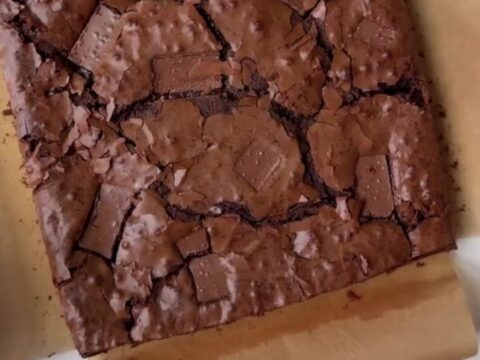
Brown Butter Fudgy Brownies with a Shiny Crinkled Crust
See the recipe → →This recipe is based on a short cooking video and is published under the pen name Clara Weller. It was checked before publication, but errors can slip through. Nutrition, when shown, is an estimate. Read more in our editorial policy and on our food safety page.
More recipes to try
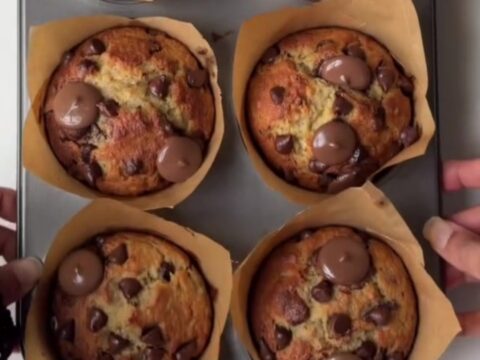
Sky-High Bakery-Style Banana Chocolate Chip Muffins
Total time: 1 h 35 min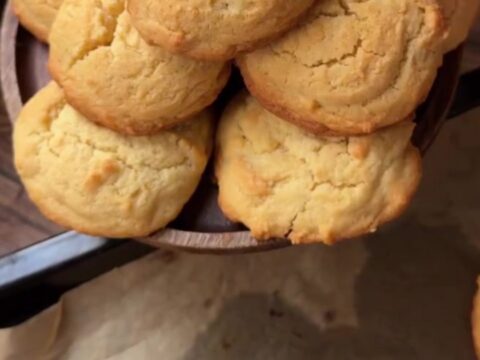
Golden Coconut Lemon White Chocolate Cookies
Total time: 36 min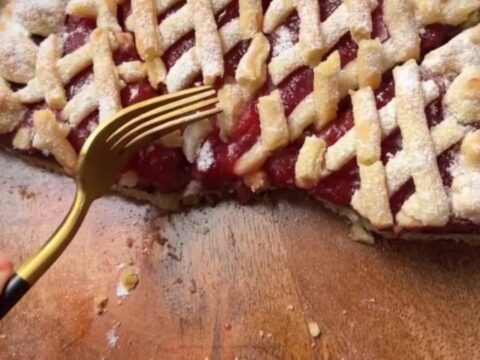
Strawberry Chocolate Tart with Buttery Pastry
Total time: 1 h 10 min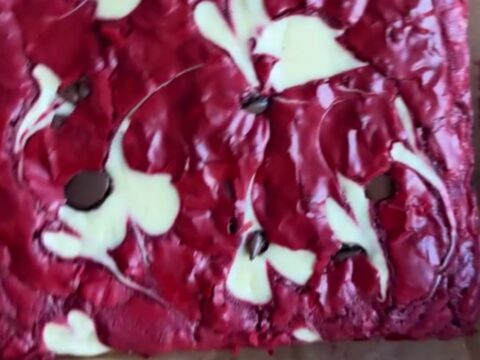
Fudgy Red Velvet Cheesecake Brownies
Total time: 1 h 10 min
Gooey Center Chocolate Chip Cookies
Total time: 26 min