Dinner · Part 2 of 3: Instructions
Miso Butter Halibut with Shiitake and Bok Choy Step-by-step instructions
- Prep
- Cook
- Total
- Serves
- 4
Before you start
Before you start, take the halibut out of the refrigerator and let it sit at room temperature for 10 minutes. This helps it cook evenly. Set out all your ingredients: halibut, shiitake mushrooms, baby bok choy, ginger, miso butter, scallions, sesame seeds, and neutral oil.
Have a large cast iron skillet ready. Grate the ginger and slice the mushrooms and scallions. In a small bowl, mash the softened butter and miso together until smooth. Pat the halibut dry and score it lightly.
Ingredients at a glance (10)
- 4 Pacific halibut fillets (6 oz each)
- 8 oz shiitake mushrooms, sliced
- 4 baby bok choy, halved lengthwise
- 1 tbsp fresh ginger, grated
- 4 tbsp unsalted butter, softened
- 2 tbsp white miso paste
- 2 scallions, sliced
- 1 tsp toasted sesame seeds
- 2 tbsp neutral oil (such as canola or grapeseed)
- Kosher salt, to taste
Instructions
Prep and Season
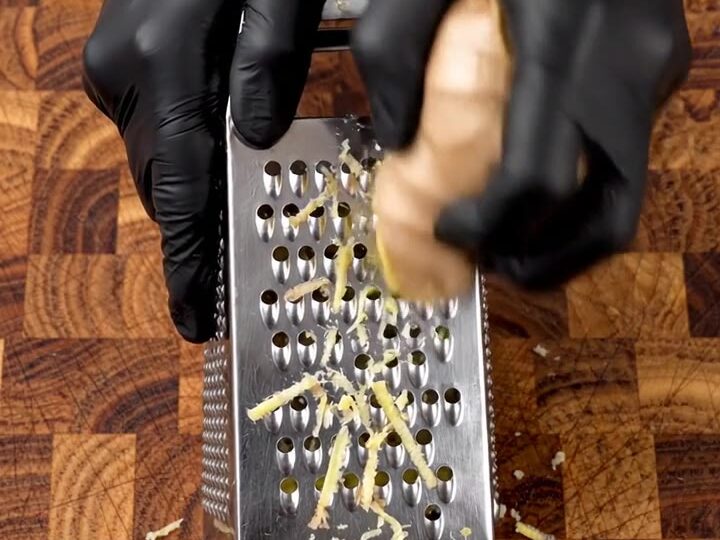
- Prep the Fish and VegetablesPat the halibut fillets dry with paper towels and score the skinless side lightly in a crosshatch pattern, about 1/4 inch deep. Slice the shiitake mushrooms and halve the baby bok choy lengthwise. Grate the fresh ginger on a box grater into a small pile. In a small bowl, mash the softened butter and white miso together until smooth.Look for The halibut is scored, the mushrooms sliced, and the miso butter is a smooth, pale golden paste.Tip Scoring the halibut helps the miso butter penetrate and creates more surface area for browning.
- Season the HalibutSeason the halibut fillets generously on both sides with kosher salt. Let them sit at room temperature for 10 minutes while the skillet heats. This helps the fish cook evenly and season throughout.Look for The salt begins to draw out a little moisture, but the fillets should still feel firm.Tip Do not skip the salting step; it enhances the natural sweetness of the fish.
At the end of this phase, the halibut is scored, seasoned, and resting at room temperature. The mushrooms are sliced, the bok choy is halved, and the miso butter is ready.
The ginger is grated, and the scallions are sliced. Everything is organized and within reach. The skillet is heating up, and the oil is shimmering.
Sear and Glaze
- Sear the Halibut and MushroomsHeat a large cast iron skillet over medium-high heat until smoking hot. Add the neutral oil and swirl to coat. Carefully place the halibut fillets in the skillet, skin-side down if they have skin, and add the sliced shiitake mushrooms around them. Sear without moving for 3-4 minutes until the fish is golden and releases easily from the pan.Look for The halibut has a deep golden crust and the mushrooms are browned at the edges.Safe temperature 145°F (63°C) internal temperature (fish)Tip Resist the urge to move the fish; let it develop a crust before flipping.
- Flip and Add Bok ChoyUsing a fish spatula, gently flip the halibut fillets. Add the halved baby bok choy to the skillet, cut-side down, and cook for 2 minutes until the bok choy begins to char and wilt slightly.Look for The bok choy is bright green with charred edges, and the halibut is opaque on the flipped side.Safe temperature 145°F (63°C) internal temperature (fish)Tip If the skillet is crowded, cook the bok choy in batches to ensure even browning.
The halibut is golden on both sides, and the mushrooms are browned. The bok choy is charred and tender-crisp. The miso butter is bubbling and amber, coating the fish in a glossy glaze. The ginger is fragrant, and the scallions and sesame seeds have been scattered over the top. The kitchen smells savory and rich.
Rest and Serve
- Add Ginger and Miso ButterReduce the heat to medium-low. Sprinkle the grated ginger over the halibut and mushrooms. Add the miso butter to the skillet, letting it melt and bubble. Spoon the bubbling miso butter over the halibut fillets continuously for 1-2 minutes, basting the fish to coat it in the glaze.Look for The butter is amber and bubbling, and the halibut is glazed with a glossy, savory coating.Safe temperature 145°F (63°C) internal temperature (fish)Tip Basting with the butter ensures every bite is infused with the miso-ginger flavor.
- Finish with Scallions and SesameOnce the halibut is cooked through and flakes easily with a fork, scatter the sliced scallions and toasted sesame seeds over the top. Let the skillet rest off the heat for 1 minute to allow the flavors to meld.Look for The scallions are bright green and the sesame seeds are fragrant.Safe temperature 145°F (63°C) internal temperature (fish)Tip The brief rest allows the glaze to set slightly and the scallions to soften.
The skillet has rested off the heat for a minute, allowing the flavors to meld. The halibut is flaky and glistening, and the vegetables are coated in the miso butter sauce. The dish is ready to be served immediately, with the halibut lifted gently to preserve its delicate texture.
Common mistakes
One common mistake is overcrowding the skillet, which lowers the heat and prevents browning. Cook the fish in batches if necessary. Another is moving the fish too soon; let it sear undisturbed until it releases naturally.
Also, do not overcook the halibut—it becomes dry and tough. Keep a close eye on the cooking time, and use a thermometer for accuracy. Finally, do not skip the basting step; it is what creates the glossy, flavorful glaze.
How to tell it’s done
The halibut is done when it reaches an internal temperature of 145°F (63°C) and flakes easily with a fork. The flesh should be opaque throughout, and the exterior should have a golden-brown crust.
The miso butter should be bubbling and slightly thickened, coating the fish and vegetables. The bok choy should be tender-crisp, with charred edges. If you are unsure, insert an instant-read thermometer into the thickest part of the fillet; it should read 145°F (63°C).
- Fish: 145°F (63°C) in the thickest part
Up next · Part 3 of 3
4 variations · storage & make-ahead · 5 answers · printable card
Tips, FAQ & printable recipe (Part 3)← Back to the ingredients (Part 1)